

Emerald Rings

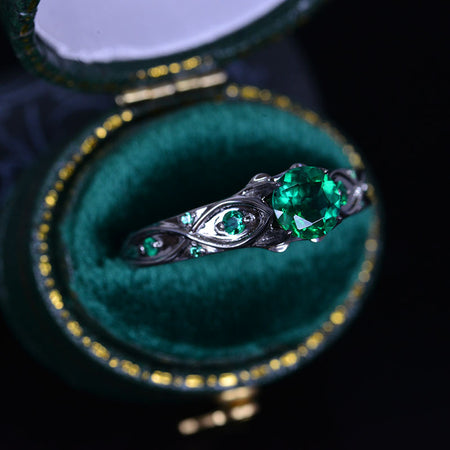
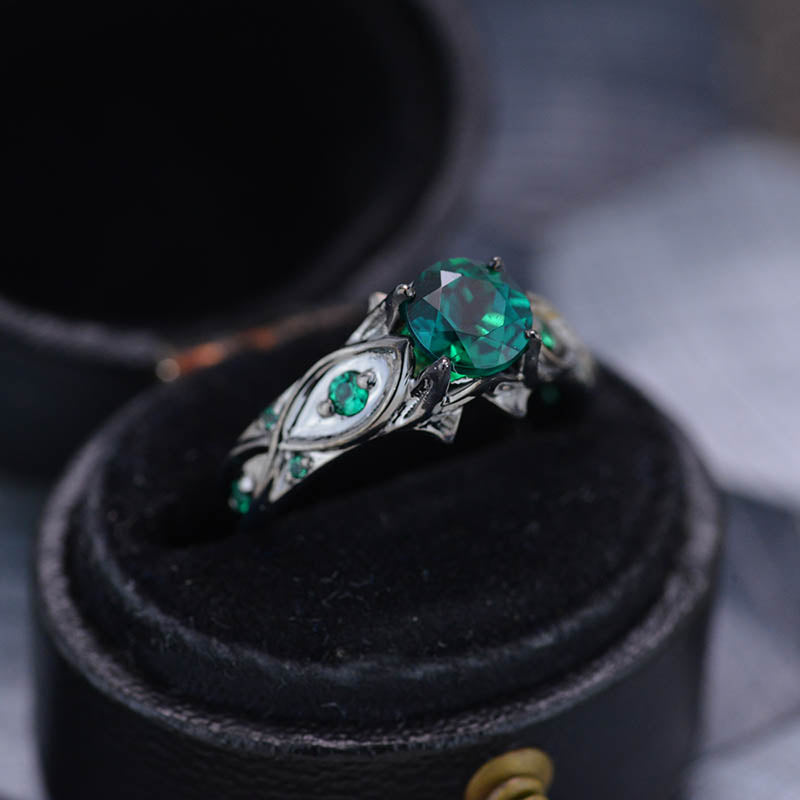
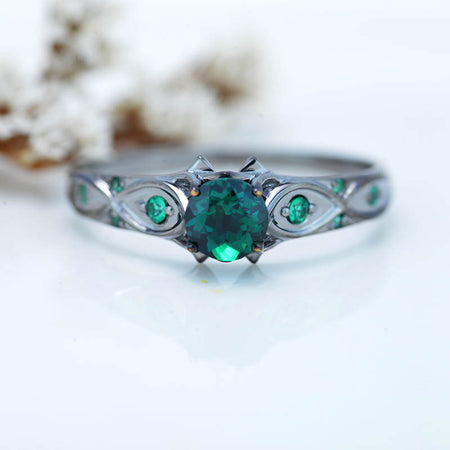
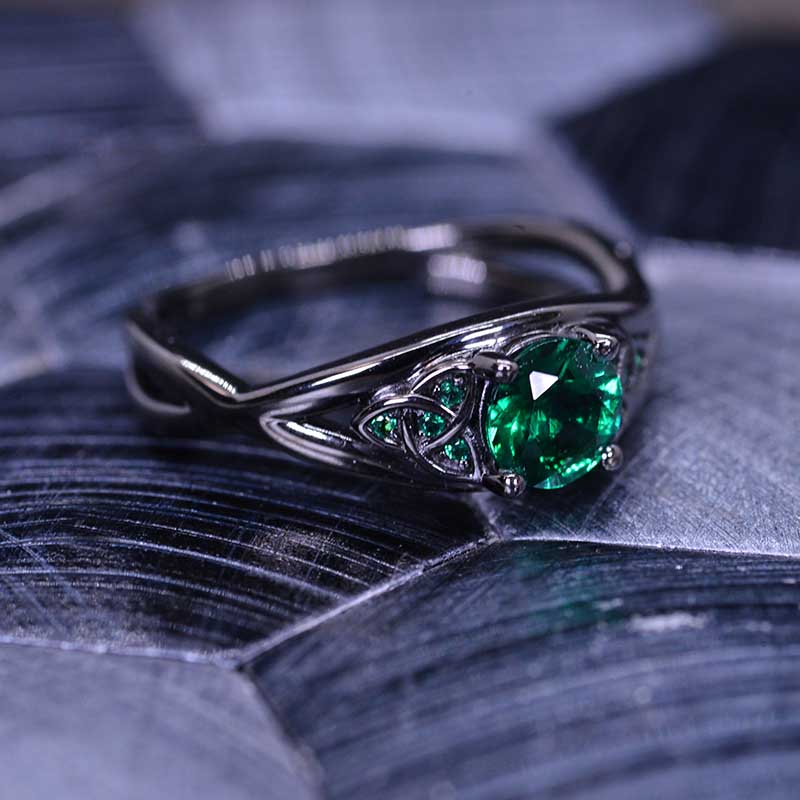
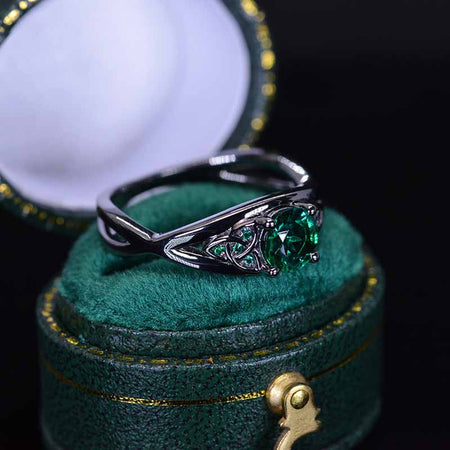
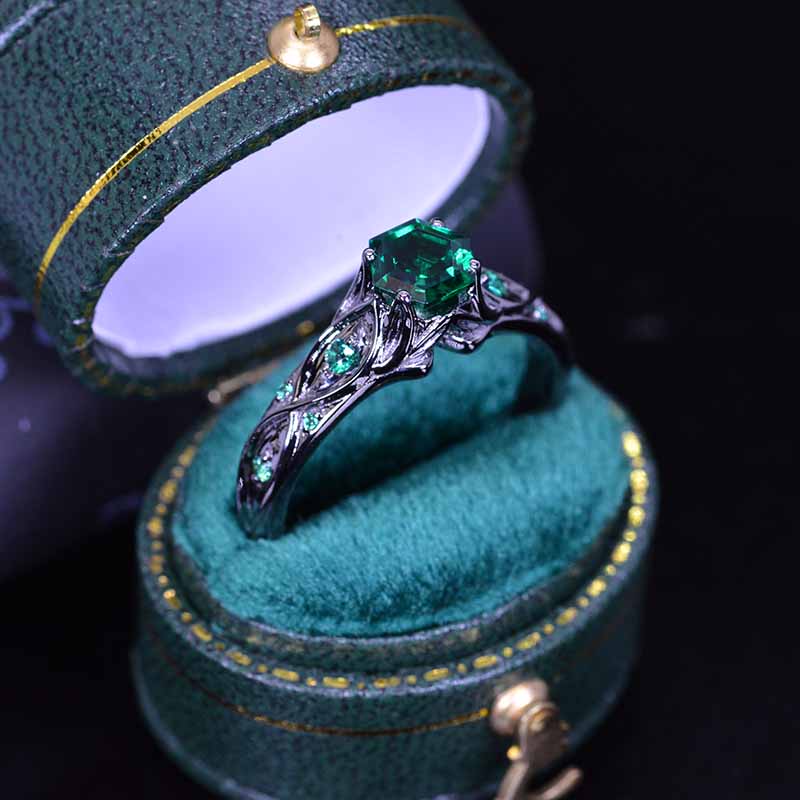
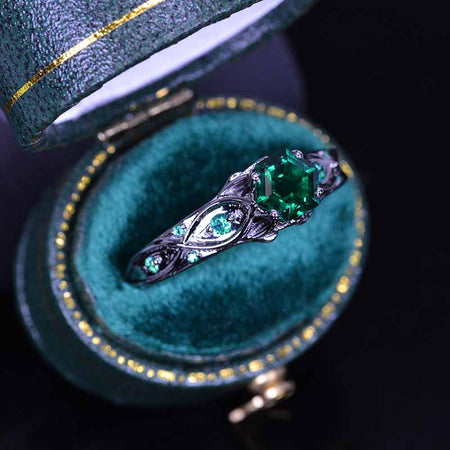
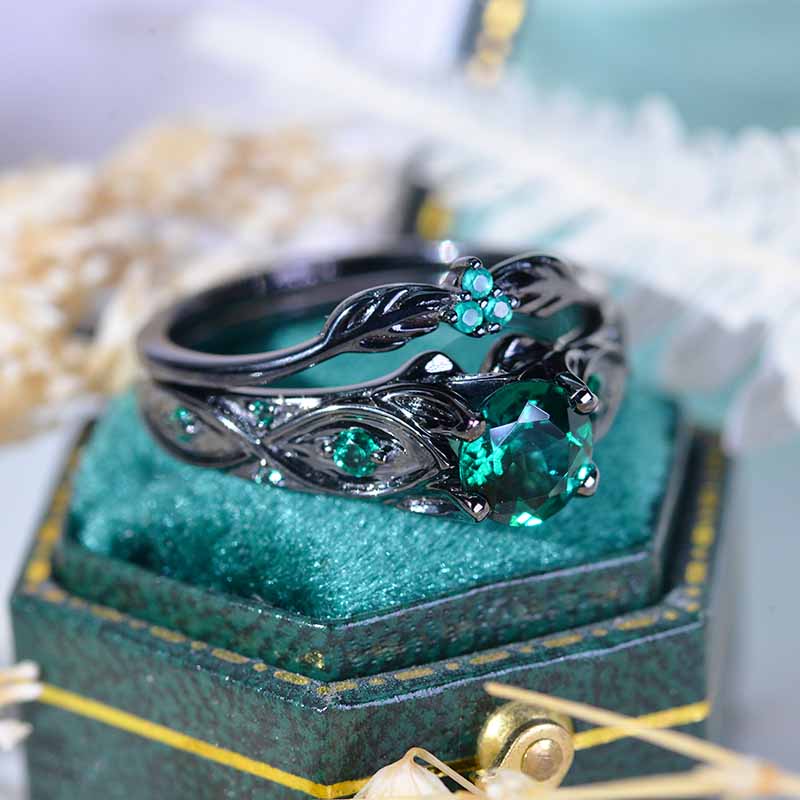
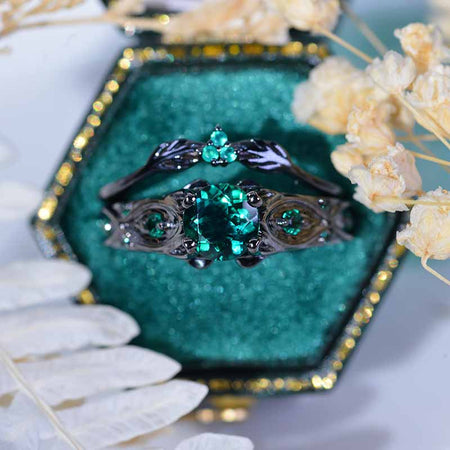
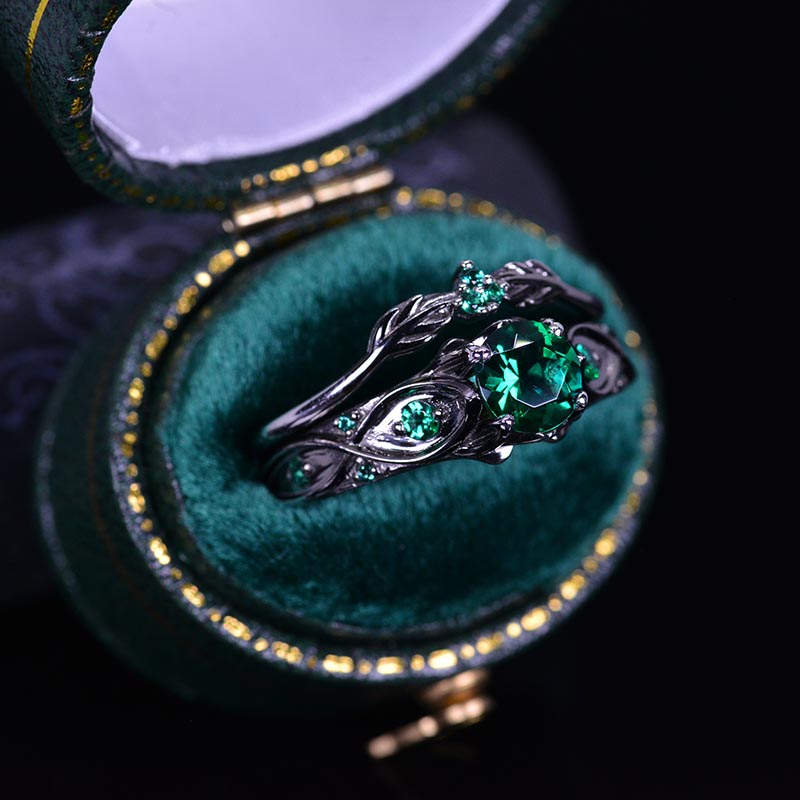
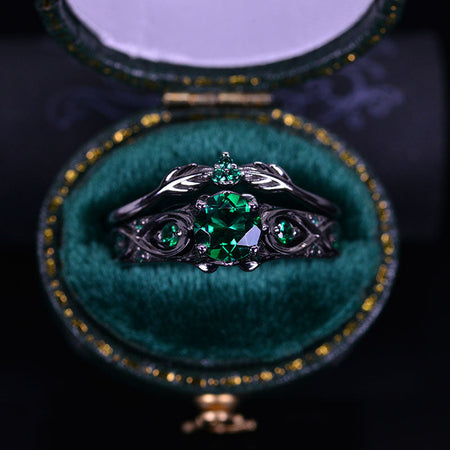

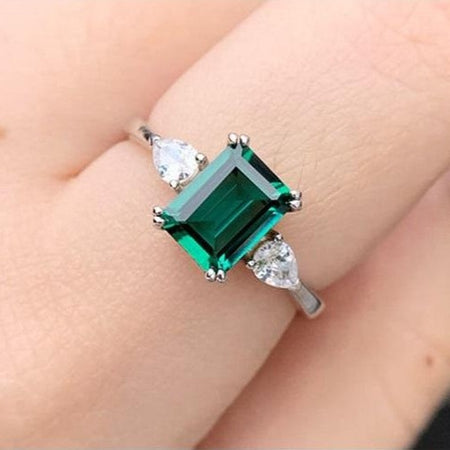
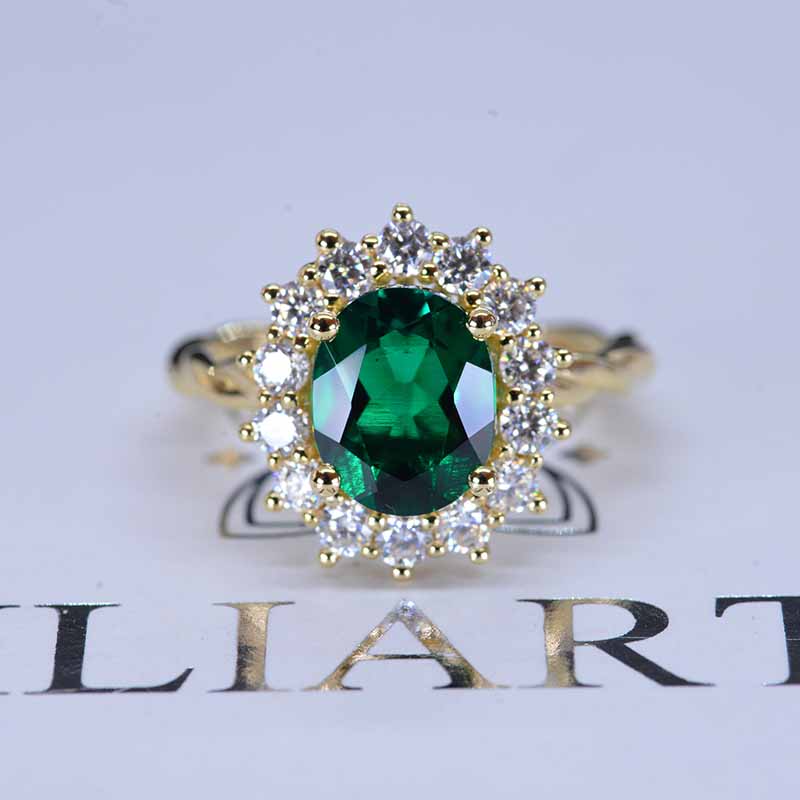
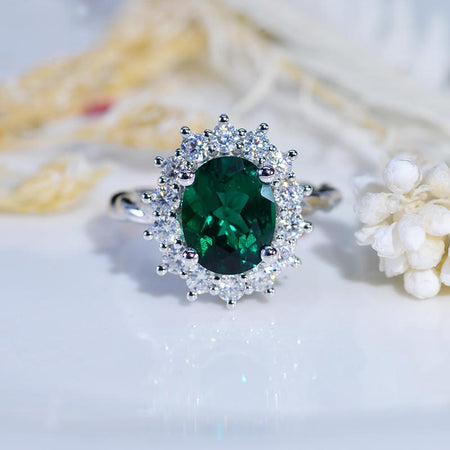
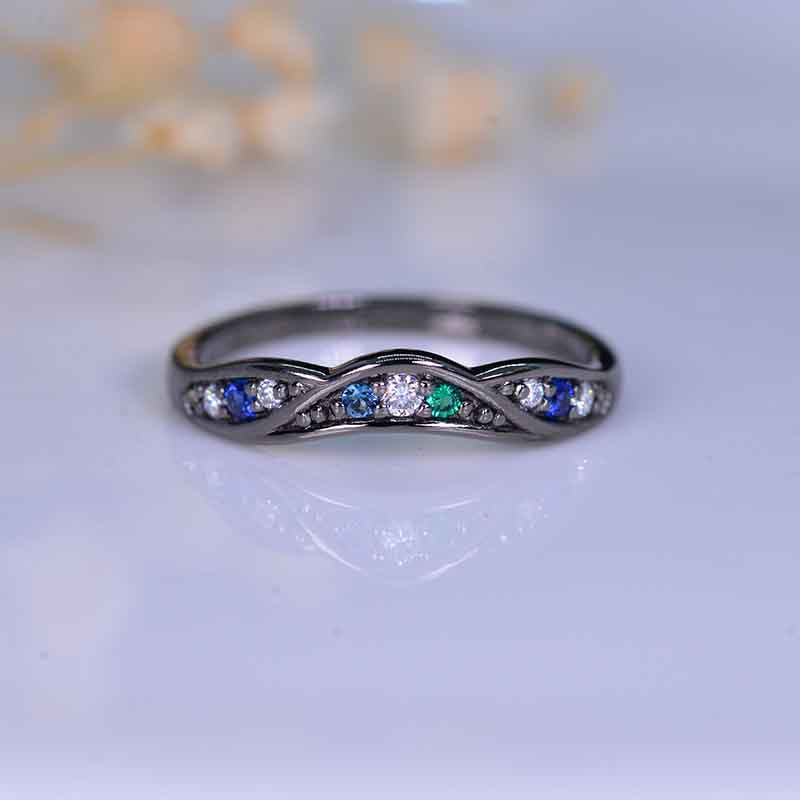
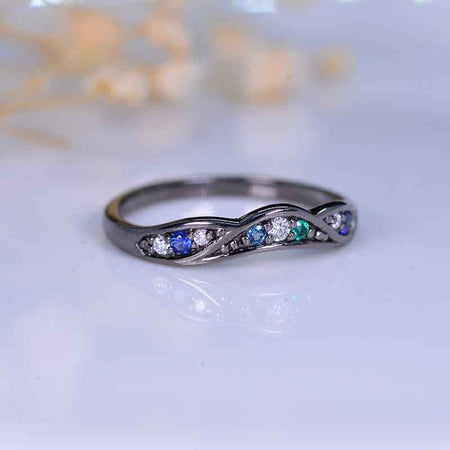
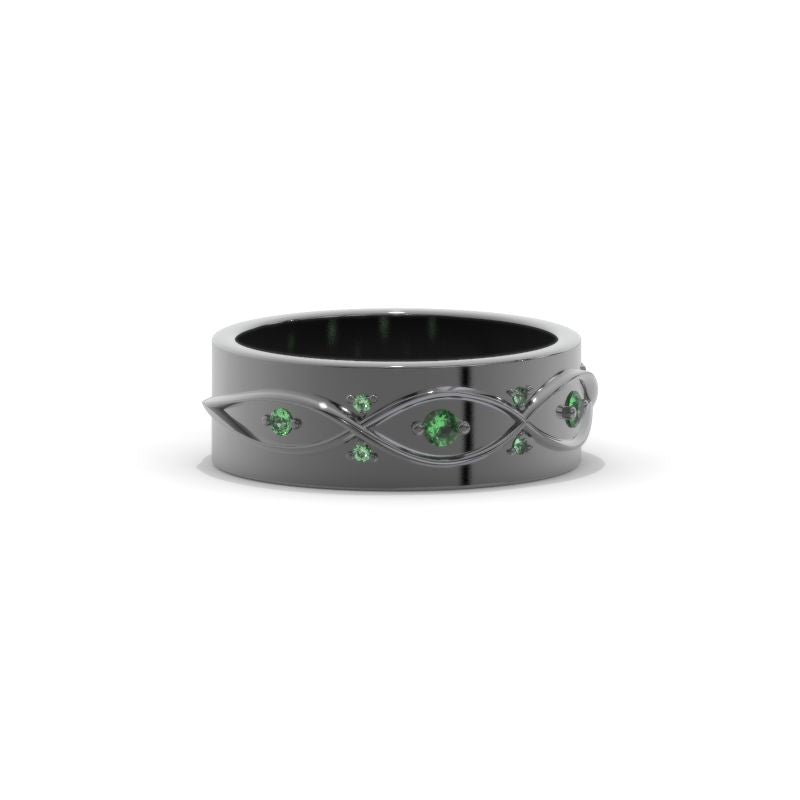
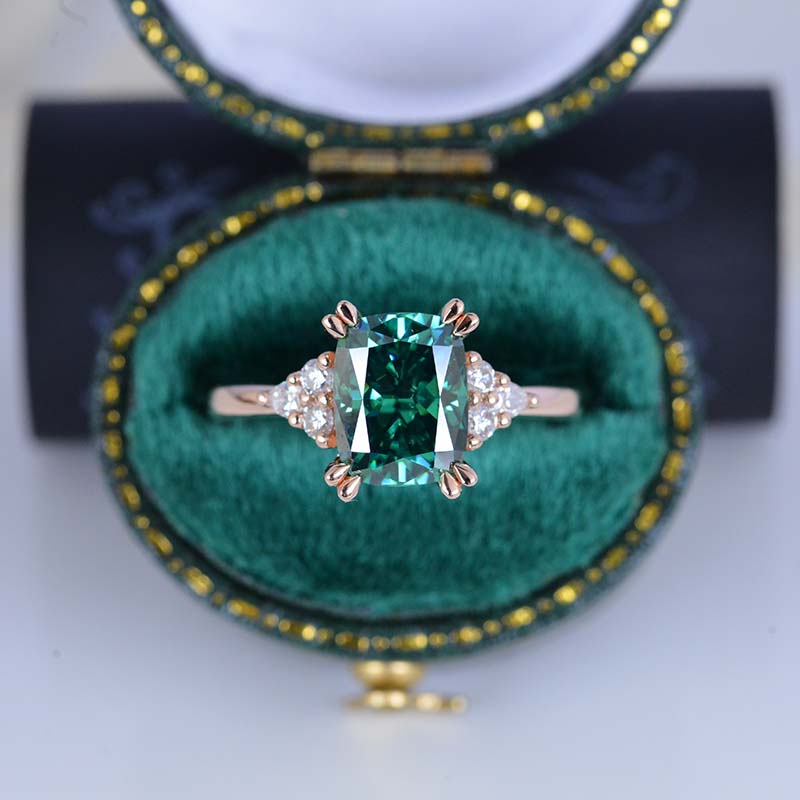
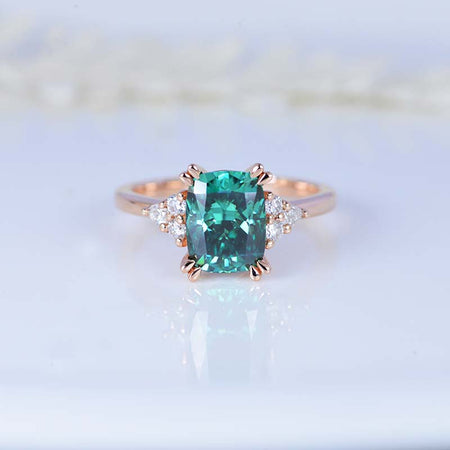
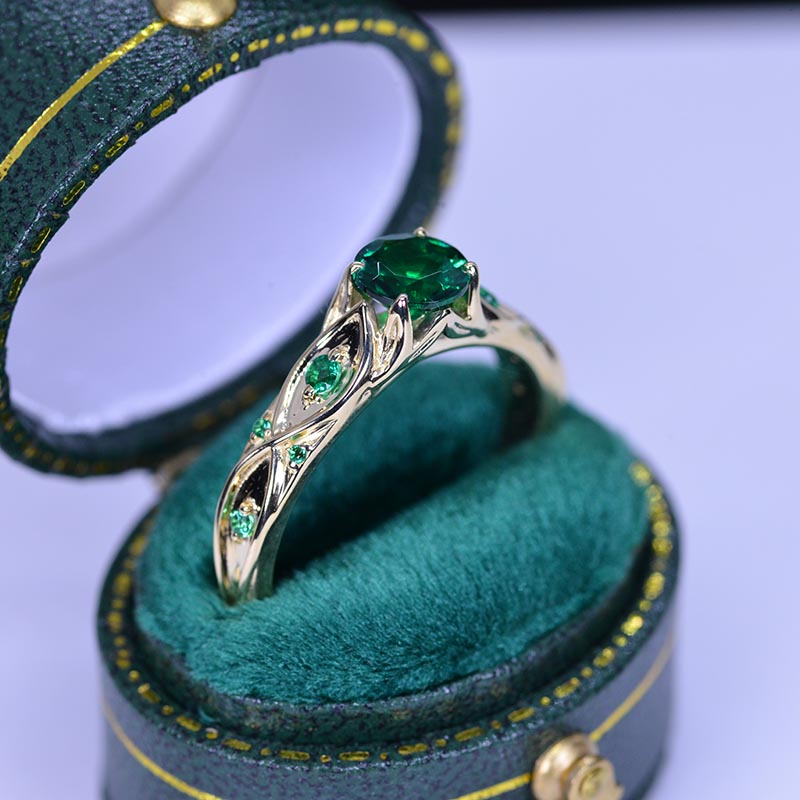
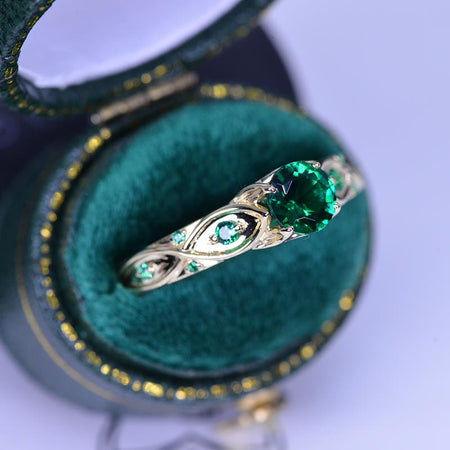


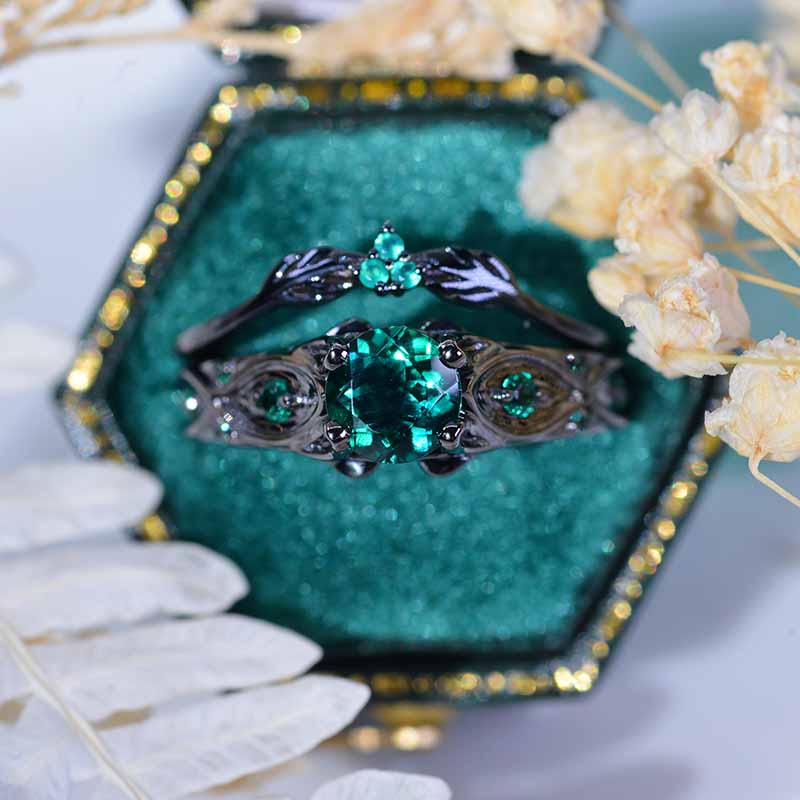
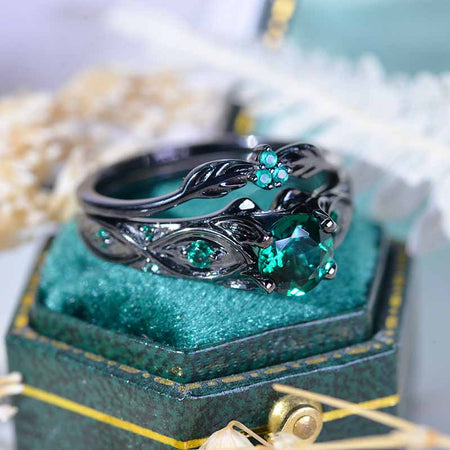


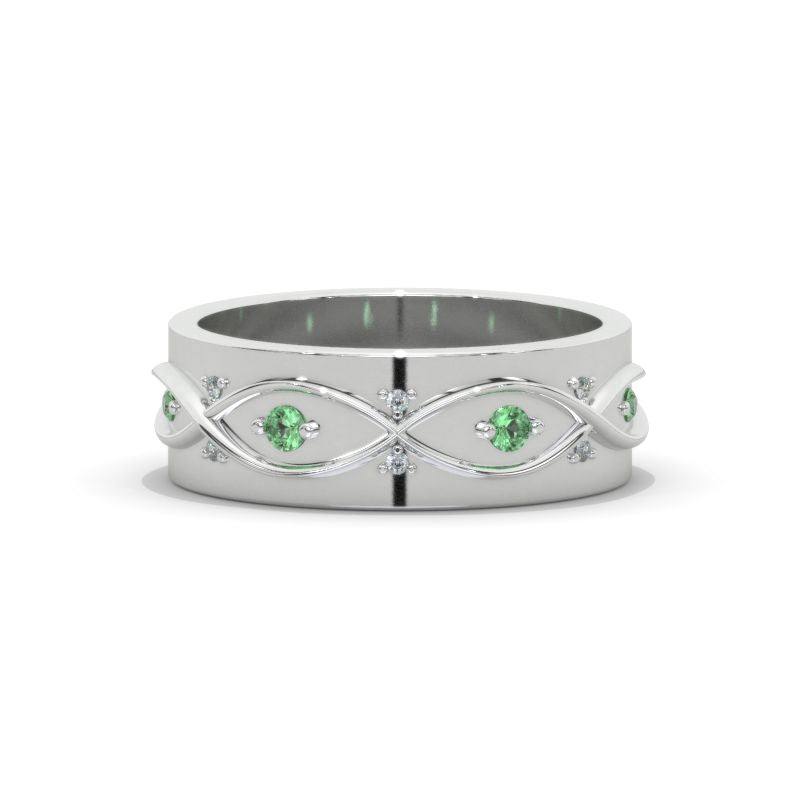
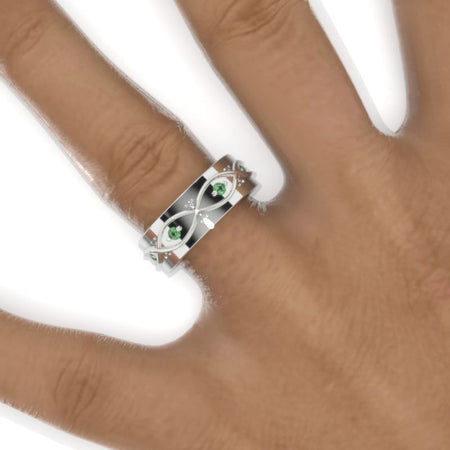
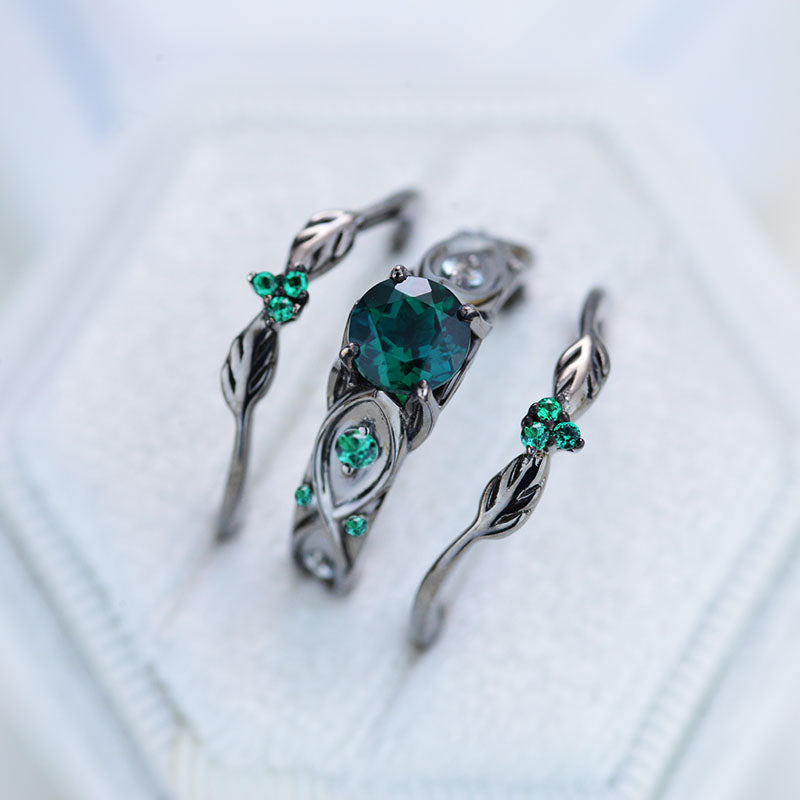
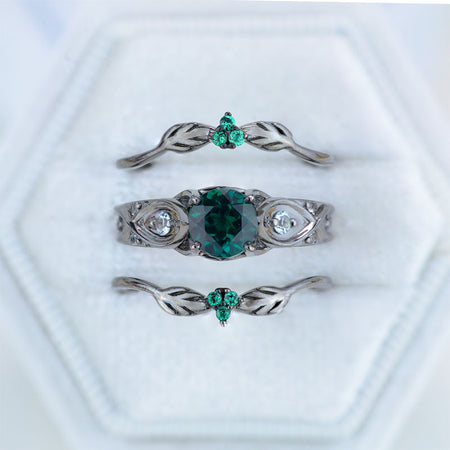
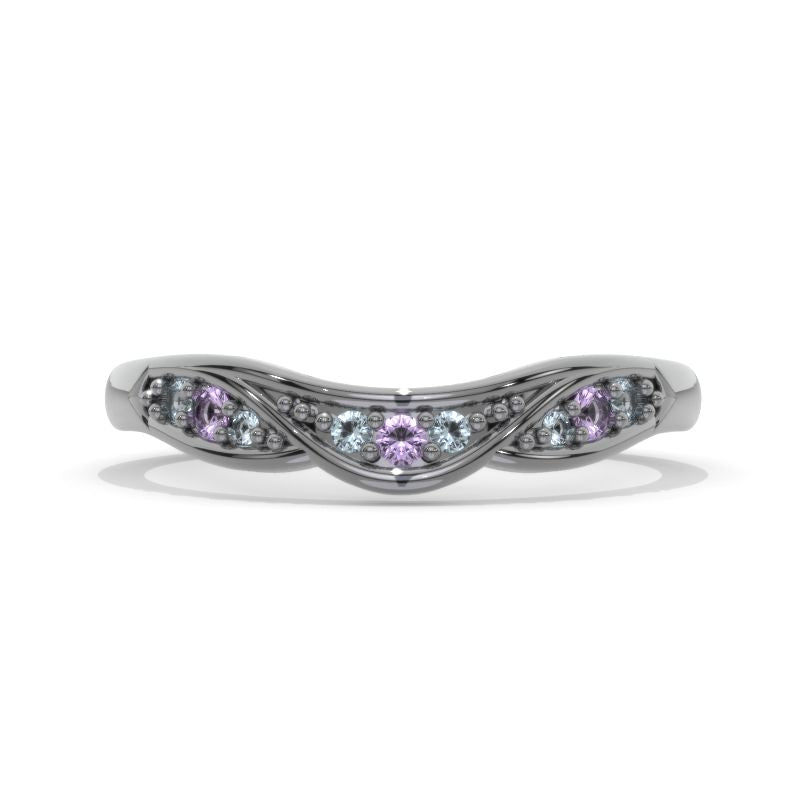
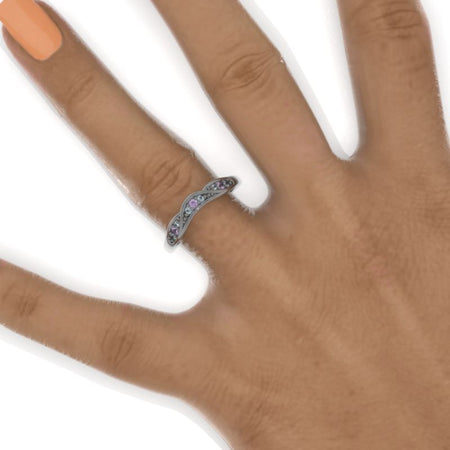
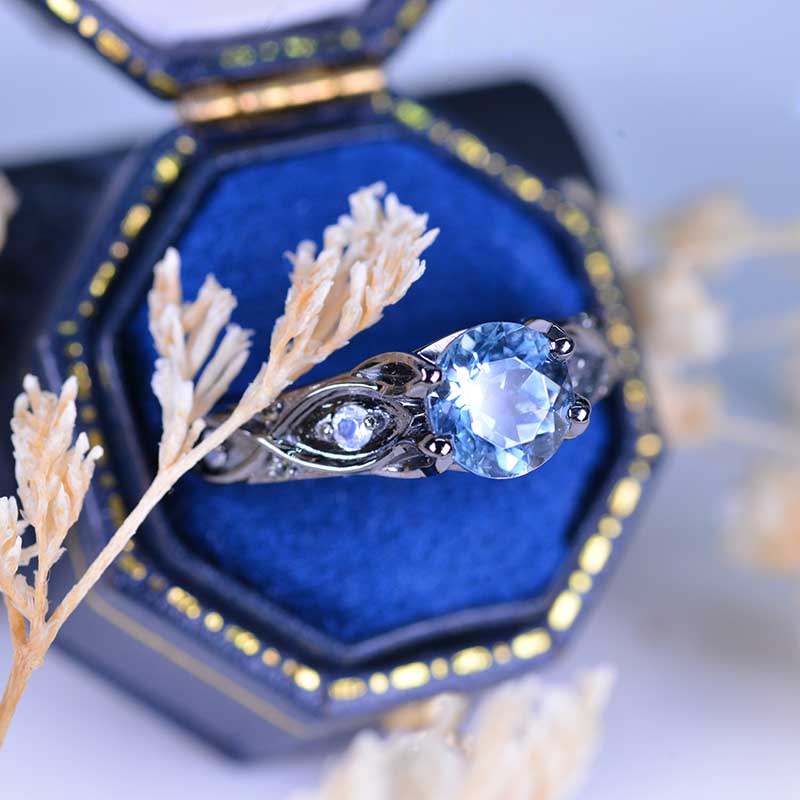
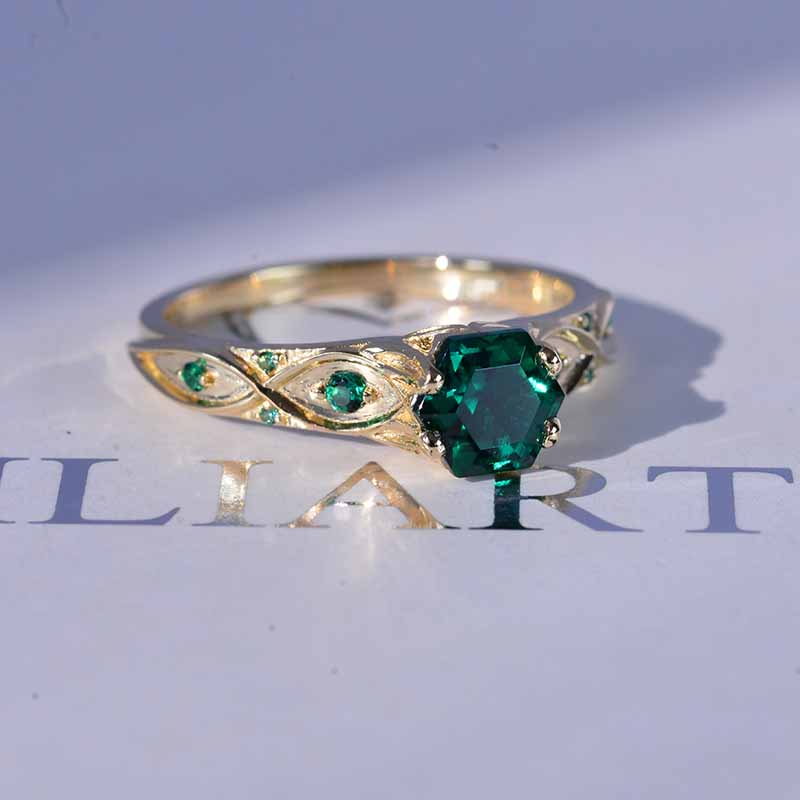
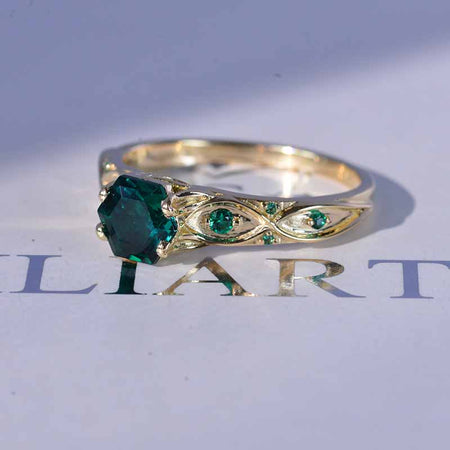

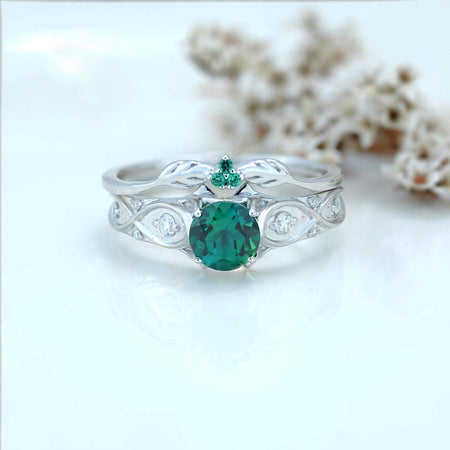


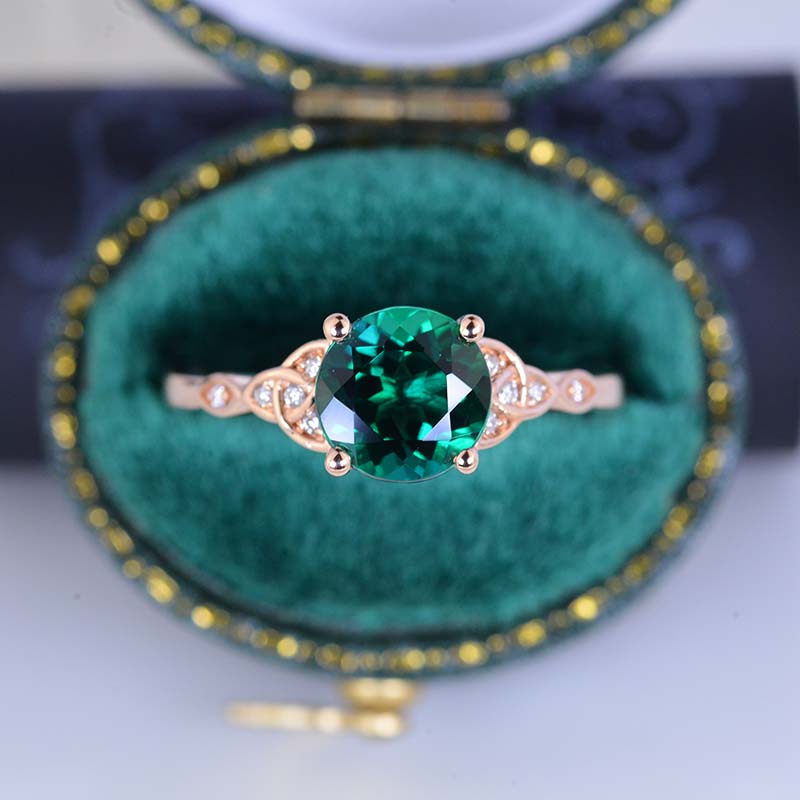
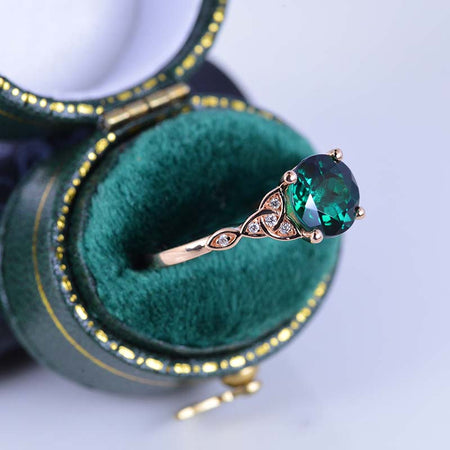


Emeralds have been prized in fine jewelry for centuries. Cleopatra wore them. Jacqueline Kennedy and Halle Berry both chose emerald engagement rings. The appeal is straightforward: a deep, vivid green that no other gemstone replicates, with natural inclusions that make every stone individual.
All stones in this collection are genuine natural emeralds set in 14K and 18K gold.
What to Know About Emerald as a Stone
Emeralds belong to the beryl family. Their color comes from trace amounts of chromium and vanadium - the same elements that make Colombian emeralds the most sought-after in the world.
Most natural emeralds contain inclusions called "jardin" (French for garden). Unlike diamonds, where inclusions lower value, in emeralds they are normal and expected. A completely eye-clean natural emerald is genuinely rare. That said, stones with fewer surface-reaching inclusions are more durable and better suited to daily wear.
Hardness is 7.5-8 on the Mohs scale - scratch-resistant enough for everyday use. The more relevant consideration is toughness: surface-reaching inclusions can make an emerald more vulnerable to chipping under impact. A bezel or halo setting protects the stone edges and is the smarter choice for active wearers.
One more thing: most natural emeralds are treated with oil or resin to improve clarity. This is standard practice across the industry. It means no ultrasonic cleaners - warm water, soft brush, mild soap only.
Styles
Vintage emerald engagement rings are the most popular combination in this collection. Art Deco proportions, milgrain edges, pave bands, and floral details pair naturally with emerald's color - especially in yellow gold. If you are looking for unique emerald engagement rings, vintage settings are where most of the interesting designs live.
Halo - diamonds surrounding the center stone add sparkle that emerald alone does not produce (its refractive index is lower than diamond, so it glows rather than sparkles). The halo also protects the stone's girdle, making it a practical as well as aesthetic choice.
Solitaire - the stone on its own in a clean setting. Works best with higher-clarity stones where the color is strong and consistent.
Three-stone - emerald center with diamonds or matching green stones on either side. A classic format for natural emerald engagement rings that reads as intentional rather than default.
Unique and non-traditional - kite cut, hexagonal, east-west oval, toi et moi. For buyers who specifically want something outside the standard format.
Available cuts: emerald cut, oval, pear, round, cushion, kite. Available metals: 14K and 18K white, yellow, and rose gold.
Choosing the Right Metal
Yellow gold is the traditional and most popular choice. The warm tone enhances the depth of green and suits vintage-style designs particularly well.
White gold or platinum creates a cooler, more modern contrast. Makes the green appear crisper and brighter.
Rose gold works best with lighter, minty green emeralds. The pink tone is a less conventional pairing but can be striking with the right stone.
Natural vs Lab Emerald
Both are real emeralds with the same chemical composition. Natural emeralds carry rarity, character, and the "jardin" inclusions that make each stone unique. Top-quality natural emeralds are actually rarer than diamonds - it takes moving roughly 2.5x more rock to find a high-quality emerald than a diamond of comparable grade.
Lab emeralds have better clarity, no surface-reaching inclusions, lower prices, and can be cleaned with an ultrasonic cleaner. A 1-carat top natural emerald starts around $4,500+; a lab equivalent is significantly less.
Neither is objectively better. It depends on whether origin, rarity, and natural character matter to you - or whether clarity and value are the priority.
Emerald vs Other Green Stones
| Emerald | Green Sapphire | Tsavorite | Green Tourmaline | |
|---|---|---|---|---|
| Hardness | 7.5-8 | 9 | 7-7.5 | 7-7.5 |
| Color | Deep to vivid green | Light to medium | Vivid bright green | Variable |
| Inclusions | Common | Fewer | Fewer | Variable |
| Rarity | High | Moderate | Moderate-high | Lower |
If maximum durability matters most, green sapphire at hardness 9 is the safer choice. If the specific green of an emerald - and its history - is what you want, there is no real substitute.
FAQ
Are emerald engagement rings good for everyday wear?
Yes, with reasonable care. Remove them before heavy physical activity, working with harsh chemicals, or doing the dishes. The setting matters: bezel and halo designs protect the stone far better than high-prong solitaires. A stone with no surface-reaching inclusions is more forgiving than one with jardin that reaches the surface.
How much does a natural emerald engagement ring cost?
It depends significantly on the stone. Natural top-quality emeralds start around $4,500+ per carat. Lower-clarity stones with more jardin are considerably more affordable. Settings in this collection range from around $1,200 for simpler designs to $4,000+ for larger stones with halo or vintage details.
What does an emerald symbolize in an engagement ring?
Growth, renewal, hope, and enduring love. Emerald is the May birthstone, making emerald engagement rings for women born in May a doubly meaningful choice. It is also the traditional gift for 20th and 35th wedding anniversaries.
What is the difference between an emerald ring and an emerald cut ring?
An emerald ring features the green gemstone as the center stone. An emerald cut is a rectangular step-cut shape applied to any gemstone. You can have an emerald cut diamond, an emerald cut aquamarine, or an emerald stone cut into an oval or pear. All combinations exist in this collection.
Can I wear an emerald wedding ring daily?
Yes. Remove it for strenuous activity, gardening, working out, and contact with chemicals. Clean gently by hand, not in an ultrasonic machine. With that level of care, an emerald ring worn every day lasts for decades.
Are there emerald engagement ring sets with matching bands?
Yes. A number of designs in this collection include a matching wedding band.
Which cut suits emerald best?
The traditional choice is the emerald cut - its step-cut facets complement the stone's color and clarity. Oval and pear are also common because their facet patterns echo natural emerald crystal shapes. If you are choosing a lab emerald, any cut works since the stones are grown to spec.
Free worldwide shipping. Lifetime warranty. 30-day returns. Payment plans at checkout.
Similar collections: Aquamarine rings | Alexandrite rings | Ruby rings | Teal sapphire rings | Moss agate rings | All engagement rings