

The Ultimate Guide to Green Gemstones

A Complete Buyer’s & Design Guide for Jewelry Lovers
Green gemstones symbolize life, renewal, harmony, and prosperity. From royal emeralds to modern lab-grown alexandrite, green stones are among the most captivating and meaningful choices for fine jewelry—especially engagement rings, statement rings, and heirloom designs.
This ultimate guide covers all major green gemstones, how to choose the best one, durability for daily wear, pricing, and design recommendations.
Why Choose Green Gemstones?
Green gemstones stand out because they:
-
Represent growth, balance, and new beginnings
-
Complement yellow, white, and rose gold
-
Work beautifully in vintage, Celtic, Art Deco, and modern settings
-
Offer rare hues ranging from mint and olive to deep forest green
Green stones are also a unique alternative to traditional diamonds while remaining elegant and timeless.
Most Popular Green Gemstones (Ranked by Demand)
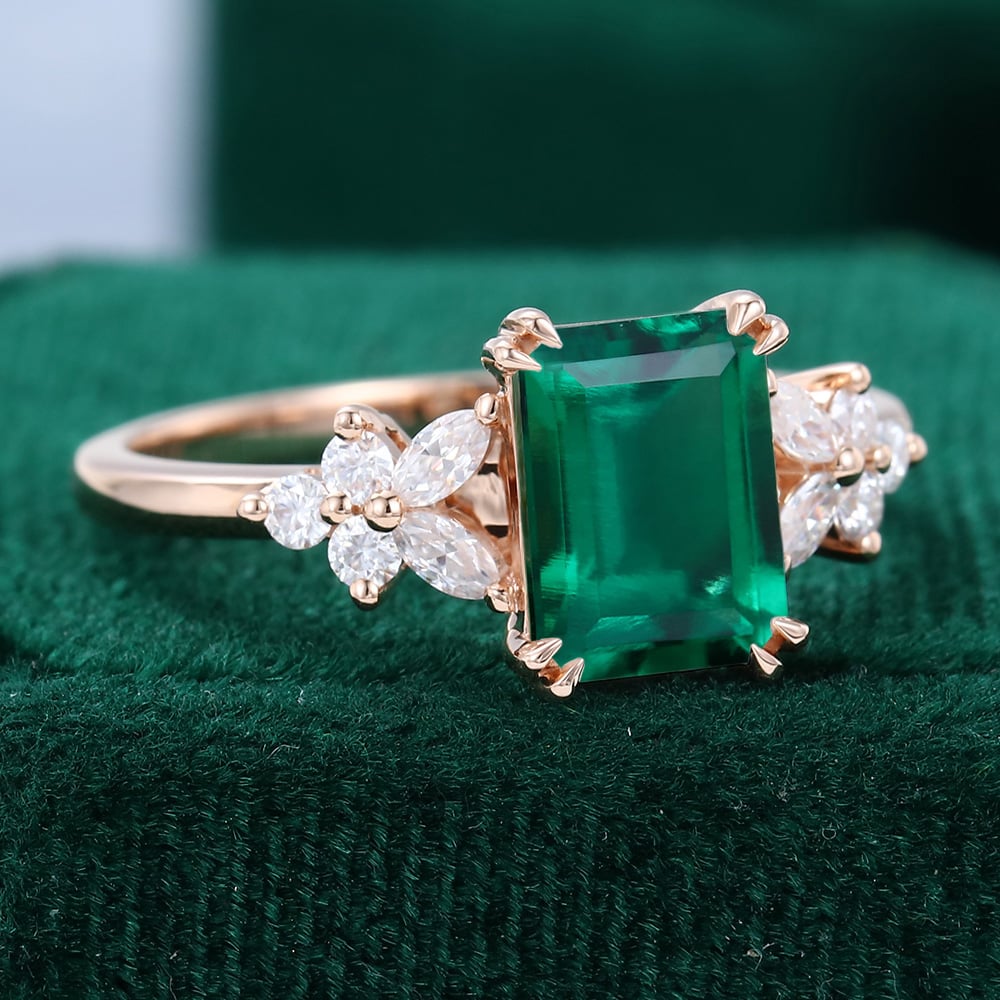
Emerald

-
Color: Deep, vivid green
-
Hardness: 7.5–8 (Mohs)
-
Best cuts: Emerald cut, oval, cushion
Pros
-
Iconic and luxurious
-
Strong historical and royal symbolism
Cons
-
Natural inclusions (“jardin”)
-
Requires careful wear
Best for: Statement rings, vintage designs, occasional wear
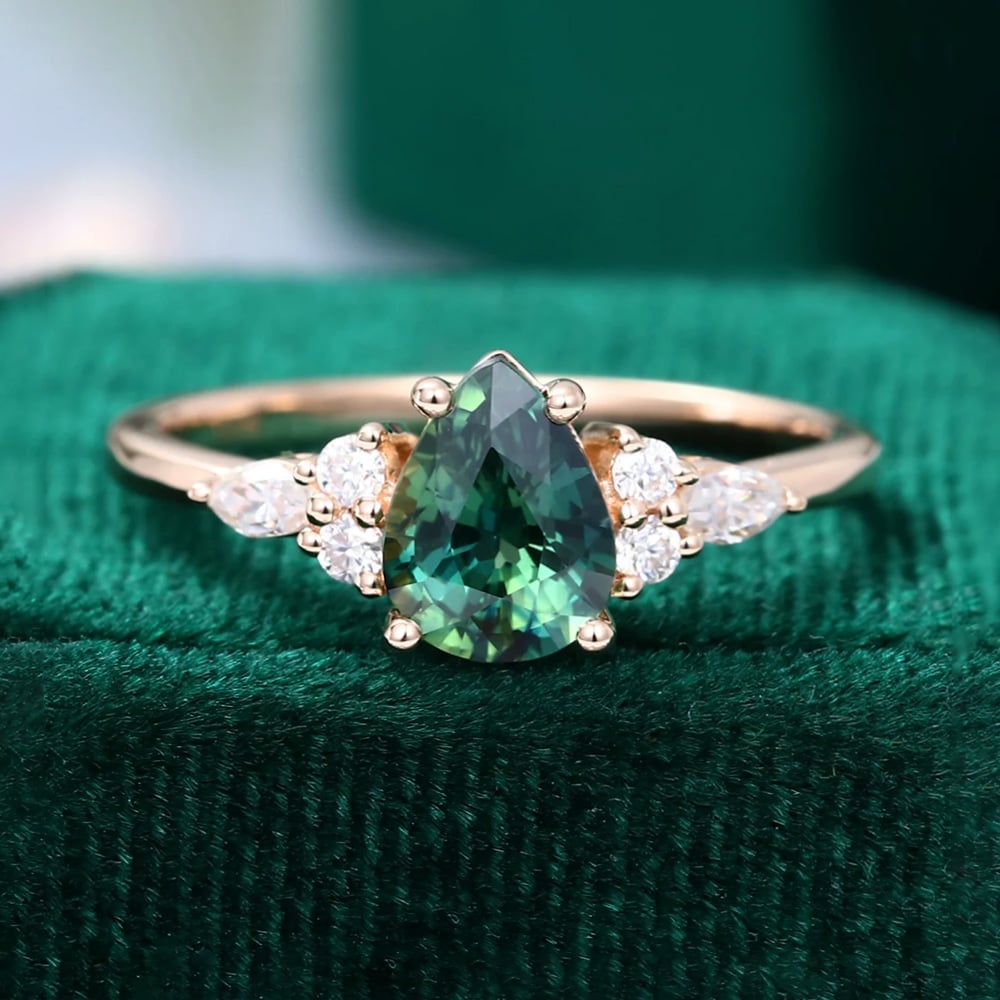
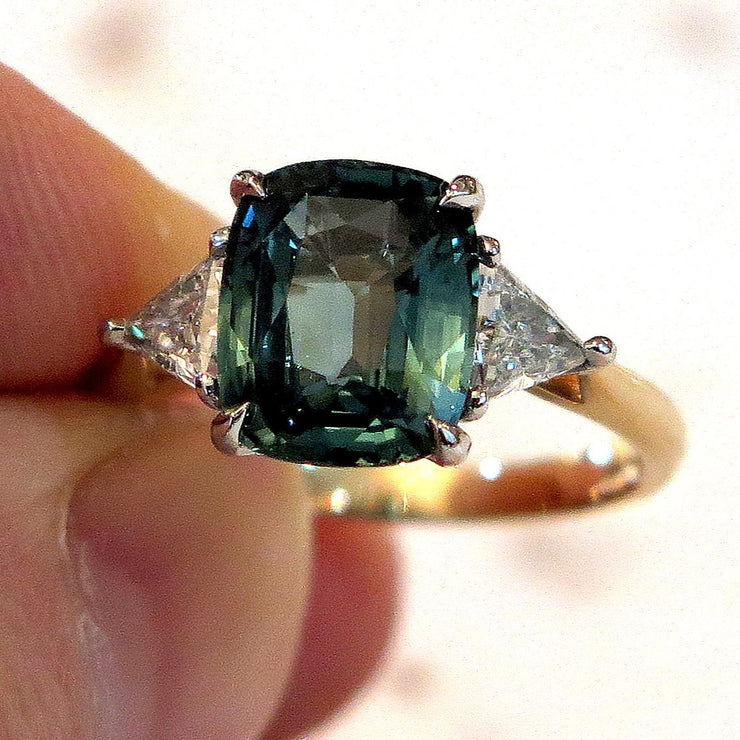
Green Sapphire

-
Color: Olive, teal, forest green
-
Hardness: 9 (Mohs)
Why it’s excellent
-
Extremely durable
-
Perfect for daily wear
-
Rare and elegant without being fragile
Best for: Engagement rings, everyday fine jewelry
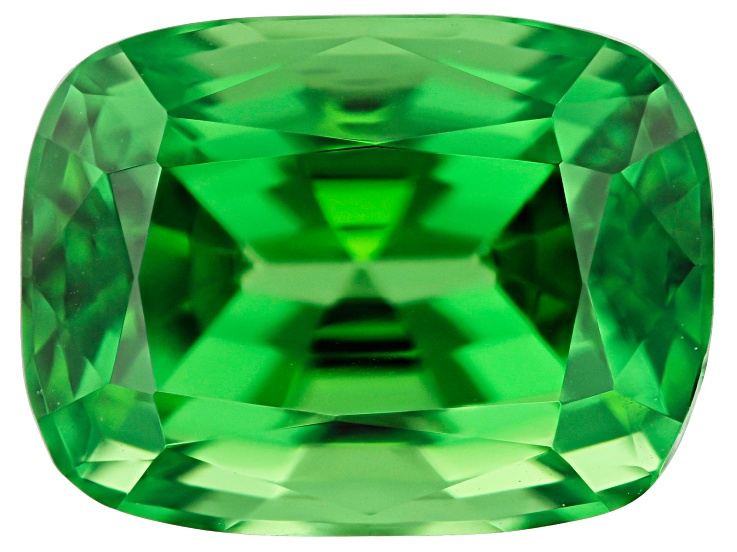
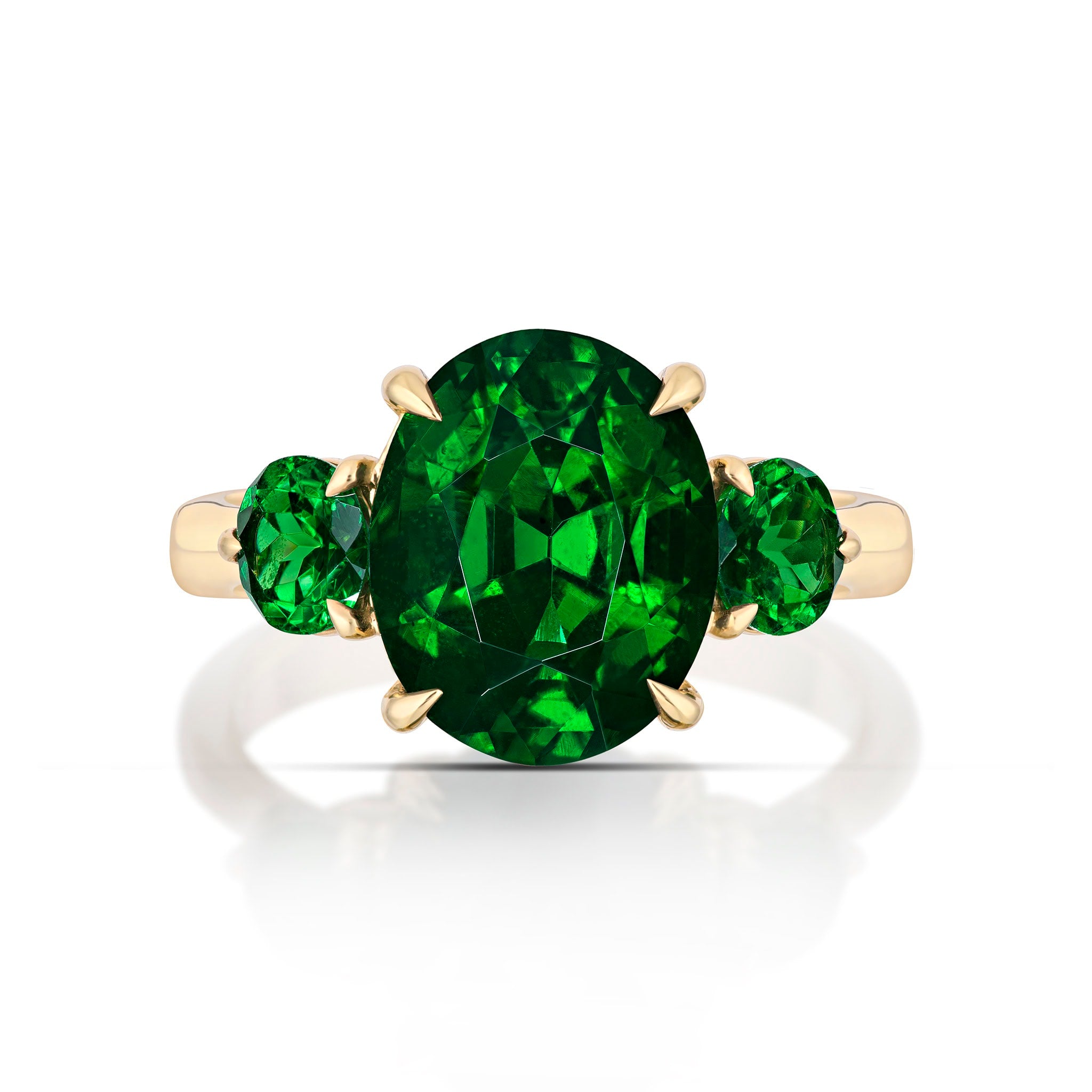
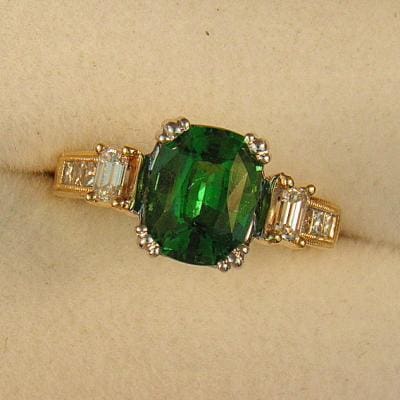
Tsavorite Garnet
-
Color: Bright, vivid green
-
Hardness: 7–7.5
Highlights
-
Exceptional brilliance
-
Often cleaner than emerald
-
Naturally untreated
Best for: High-sparkle rings and modern designs
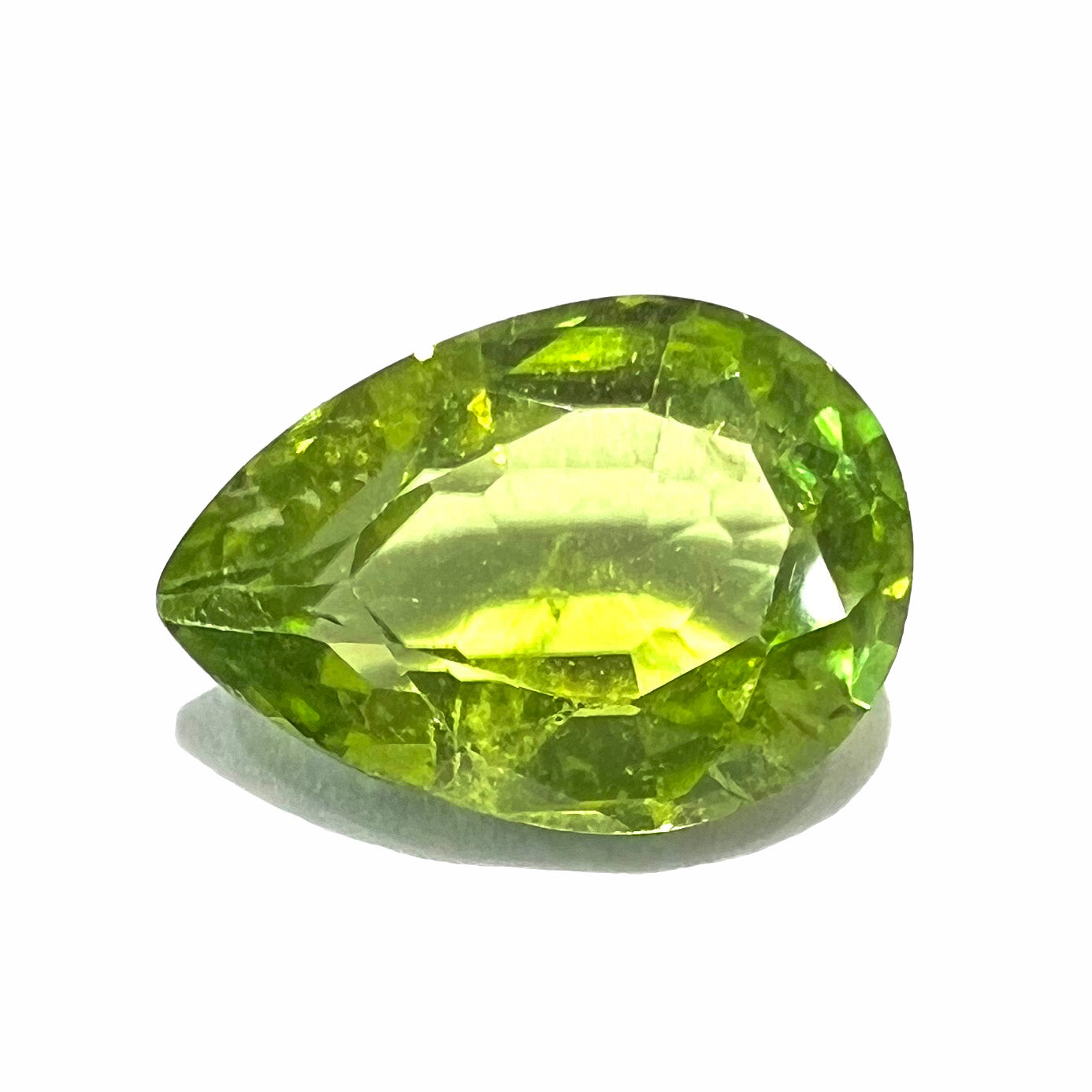
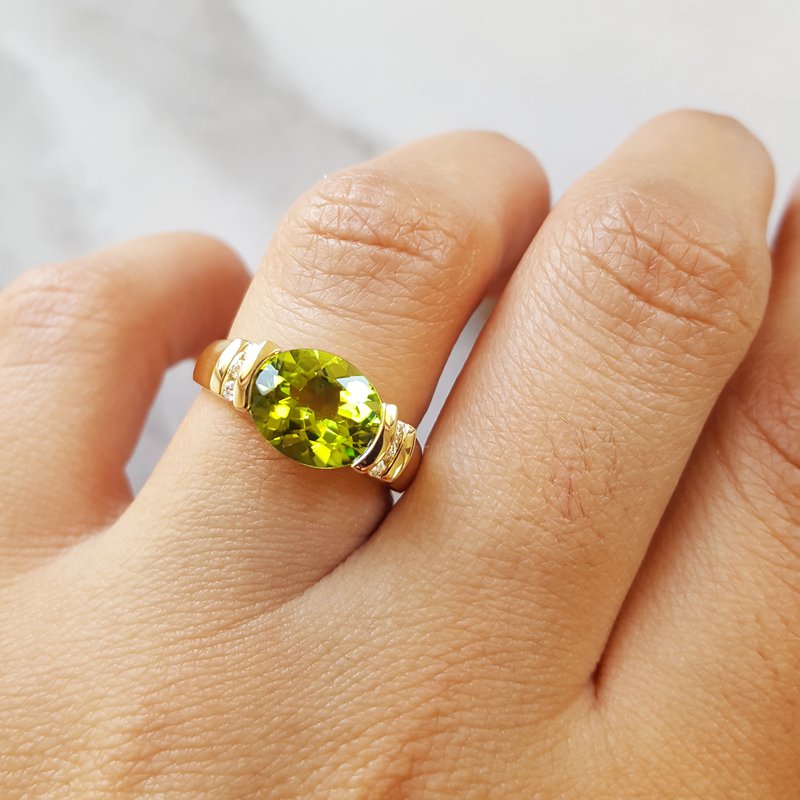
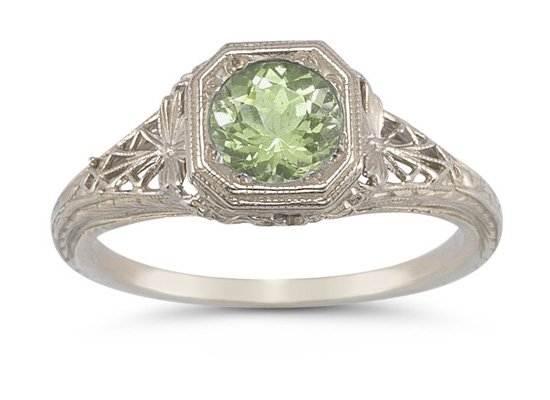
Peridot
-
Color: Lime to olive green
-
Hardness: 6.5–7
Pros
-
Affordable
-
Fresh, youthful color
Cons
-
Softer stone
-
Best for protective settings
Best for: Fashion rings, summer jewelry, gifts
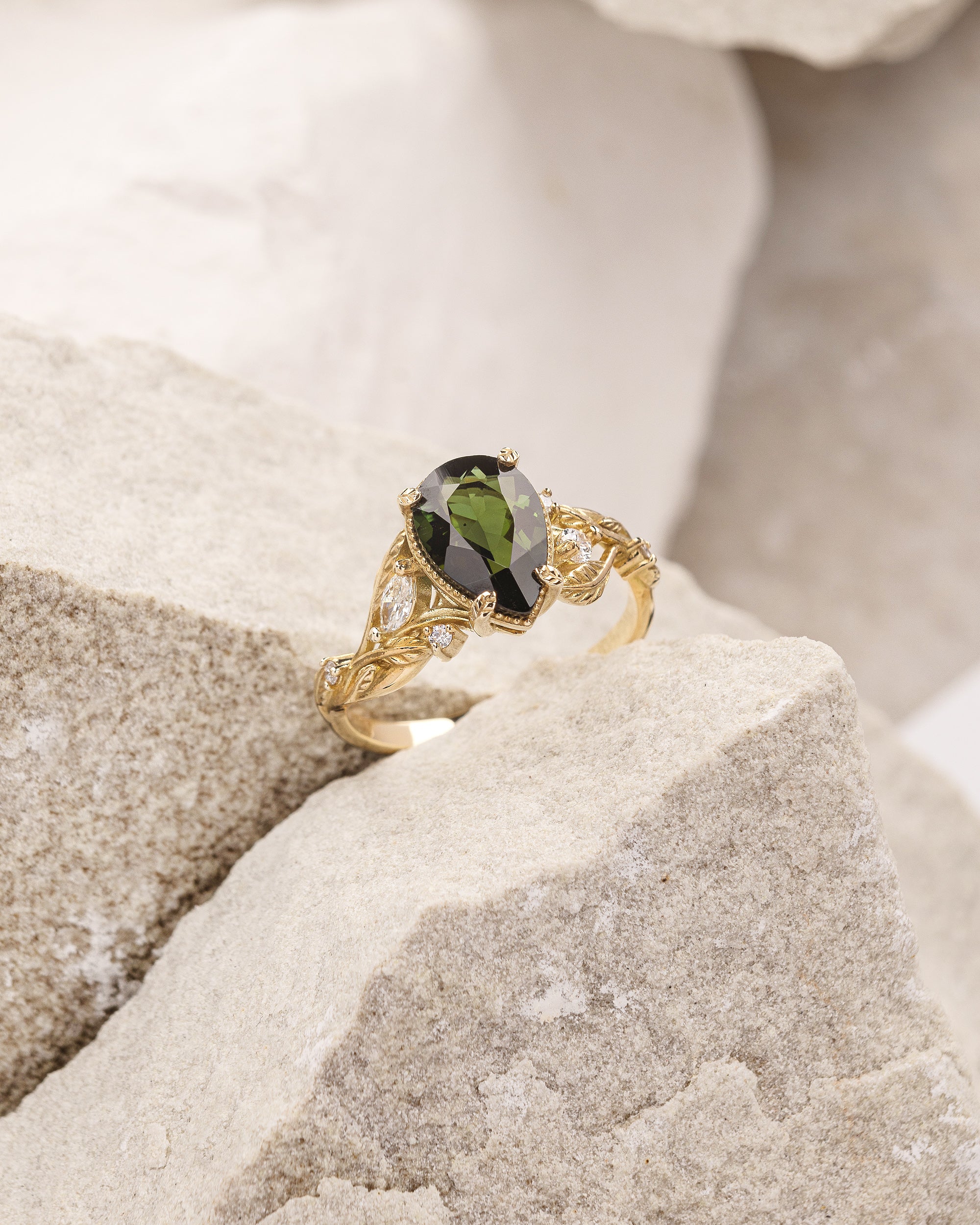
Green Tourmaline (Verdelite)


-
Color: Mint to deep forest green
-
Hardness: 7–7.5
Why choose it
-
Wide color range
-
Elegant and under-the-radar
Best for: Custom and artistic jewelry designs
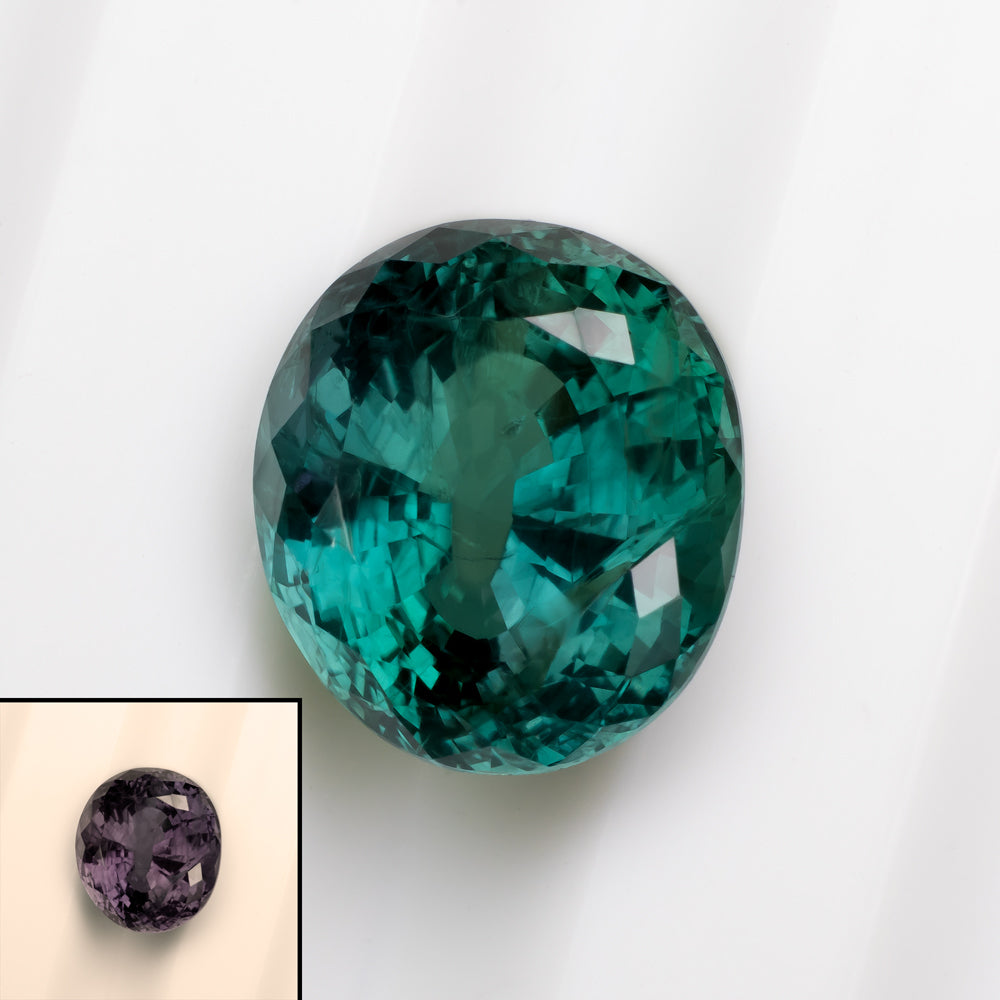
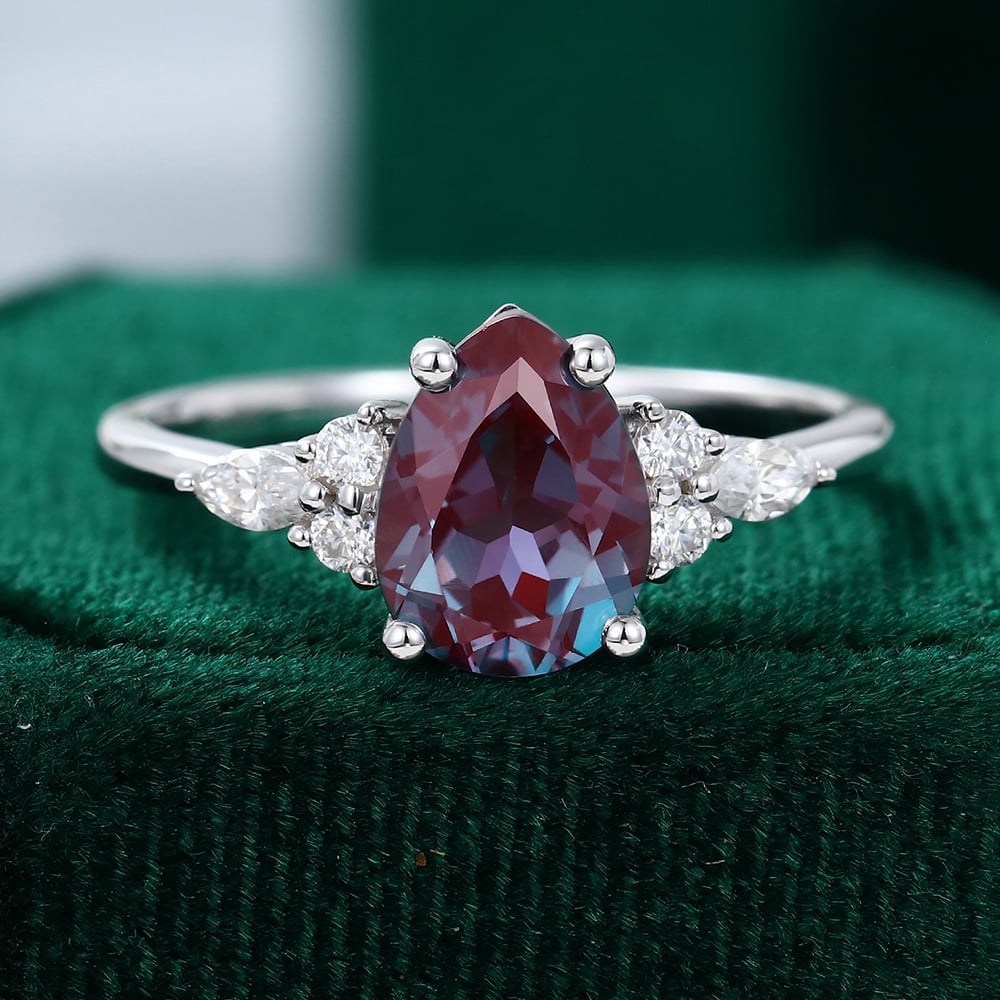
Alexandrite (Color-Changing Green)
-
Color: Green in daylight → red/purple in incandescent light
-
Hardness: 8.5
Unique advantage
-
Rare optical phenomenon
-
Symbol of intelligence and transformation
Best for: One-of-a-kind engagement rings and collectors
Durability Guide: Best Green Stones for Engagement Rings
| Gemstone | Daily Wear | Notes |
|---|---|---|
| Green Sapphire | ⭐⭐⭐⭐⭐ | Best durability |
| Alexandrite | ⭐⭐⭐⭐⭐ | Color-changing luxury |
| Emerald | ⭐⭐⭐ | Needs careful wear |
| Tsavorite | ⭐⭐⭐⭐ | Brilliant but moderate hardness |
| Tourmaline | ⭐⭐⭐⭐ | Good with protective setting |
| Peridot | ⭐⭐ | Occasional wear only |
Best Ring Settings for Green Gemstones
-
Bezel setting → Maximum protection (emerald, peridot)
-
Halo setting → Enhances green intensity
-
Prong setting (V-prongs) → Protects pointed stones
-
Vintage / milgrain → Complements deep green hues
-
Celtic & nature-inspired → Perfect symbolism match
Metal Pairing Guide
-
Yellow gold → Enhances warmth of green stones
-
White gold / platinum → Sharp contrast, modern look
-
Rose gold → Romantic, soft contrast (best with olive greens)
Natural vs Lab-Grown Green Gemstones
Lab-grown advantages
-
Lower cost
-
Cleaner clarity
-
Ethical and sustainable
-
Ideal for larger stones
Natural advantages
-
Geological rarity
-
Traditional value
Both options are visually identical—choice depends on values and budget.
How to Choose the Right Green Gemstone
Ask yourself:
-
Will this be worn daily?
-
Do I prefer bright or deep green?
-
Do I want symbolism or rarity?
-
Is durability or visual impact more important?
-
Natural or lab-grown?
Final Thoughts
Green gemstones offer depth, individuality, and timeless beauty. Whether you choose a royal emerald, a durable green sapphire, or a mesmerizing alexandrite, green stones make jewelry feel meaningful, luxurious, and unforgettable.
Leave a comment
Comments will be approved before showing up.