

Padparadscha Sapphire Rings & Lab Padparadscha Engagement Rings
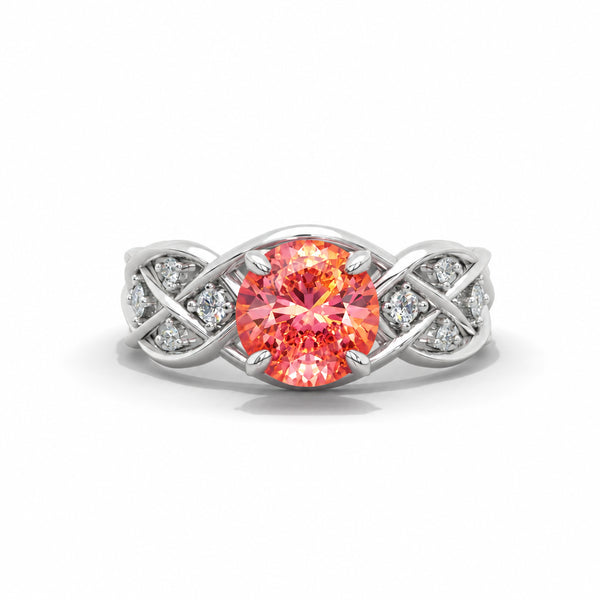

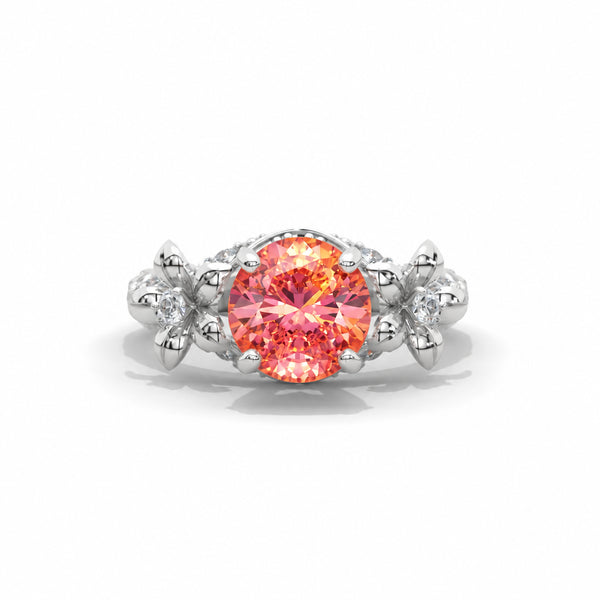

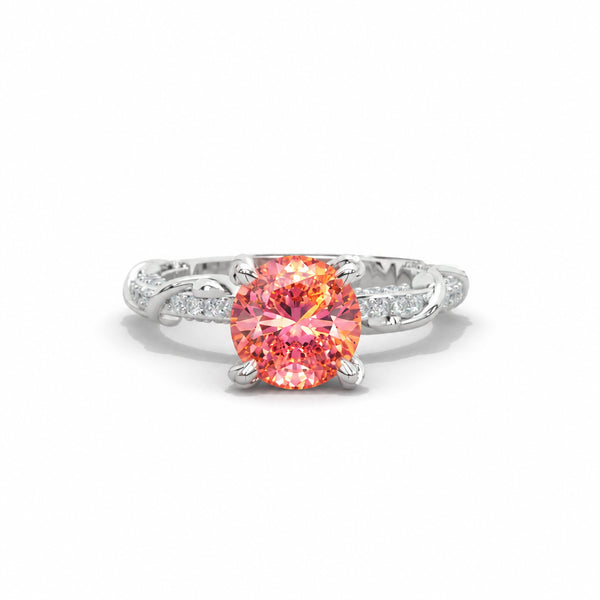

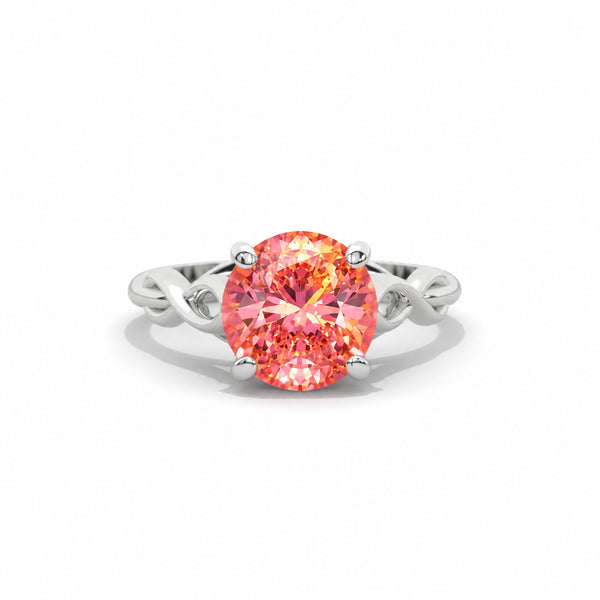

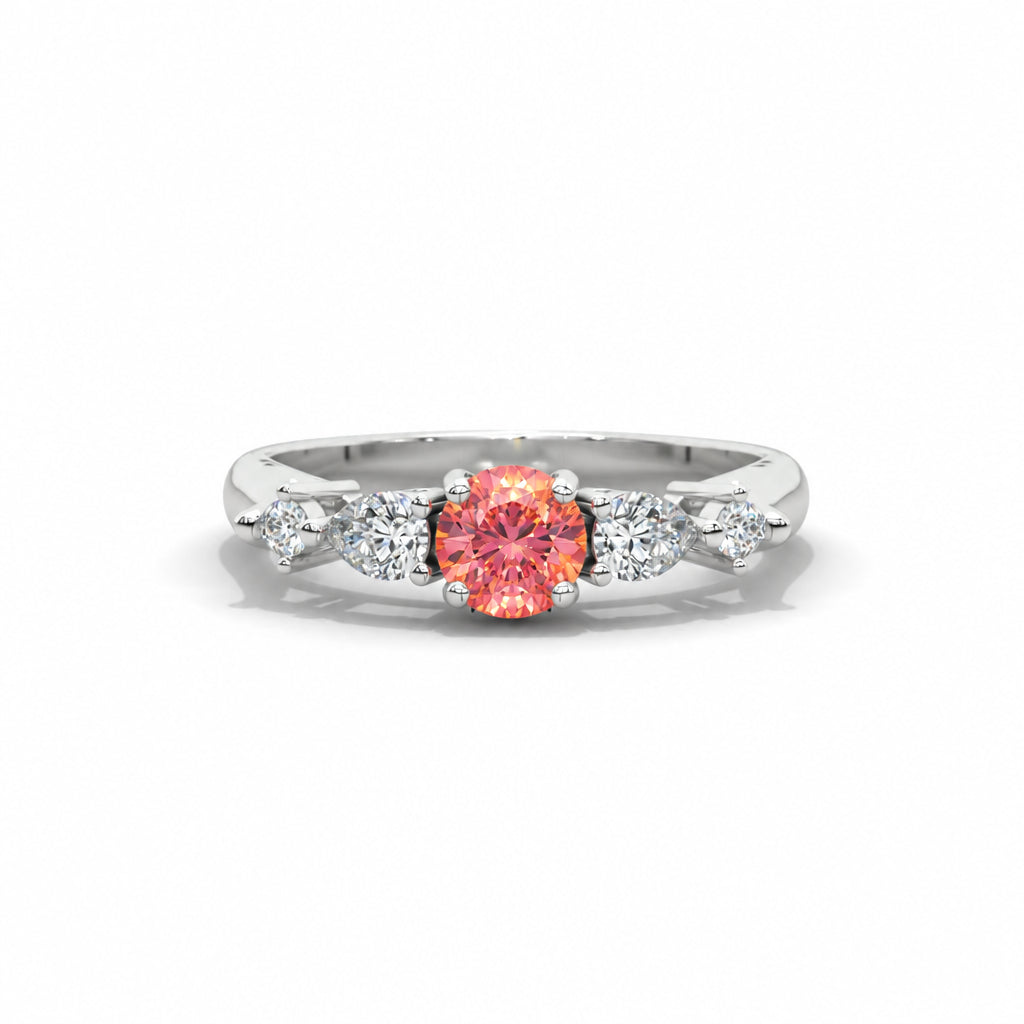

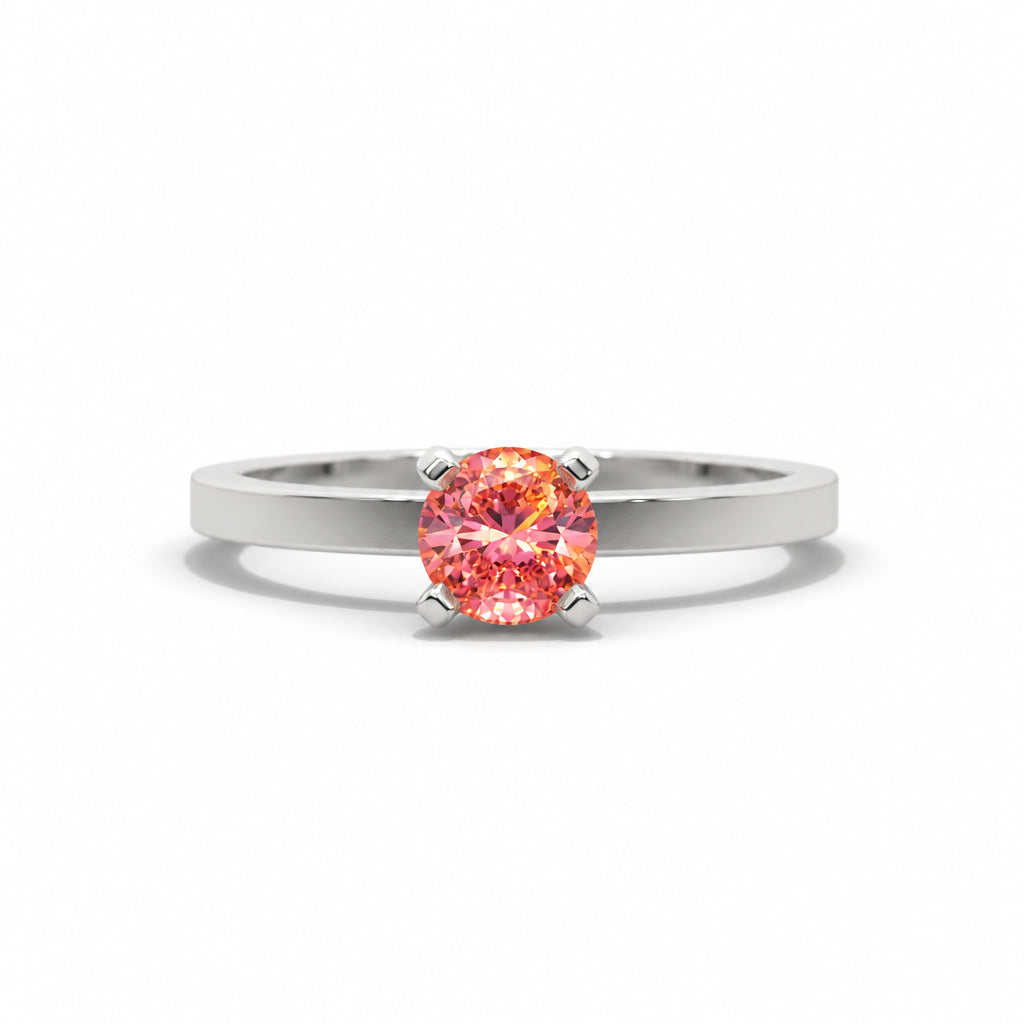

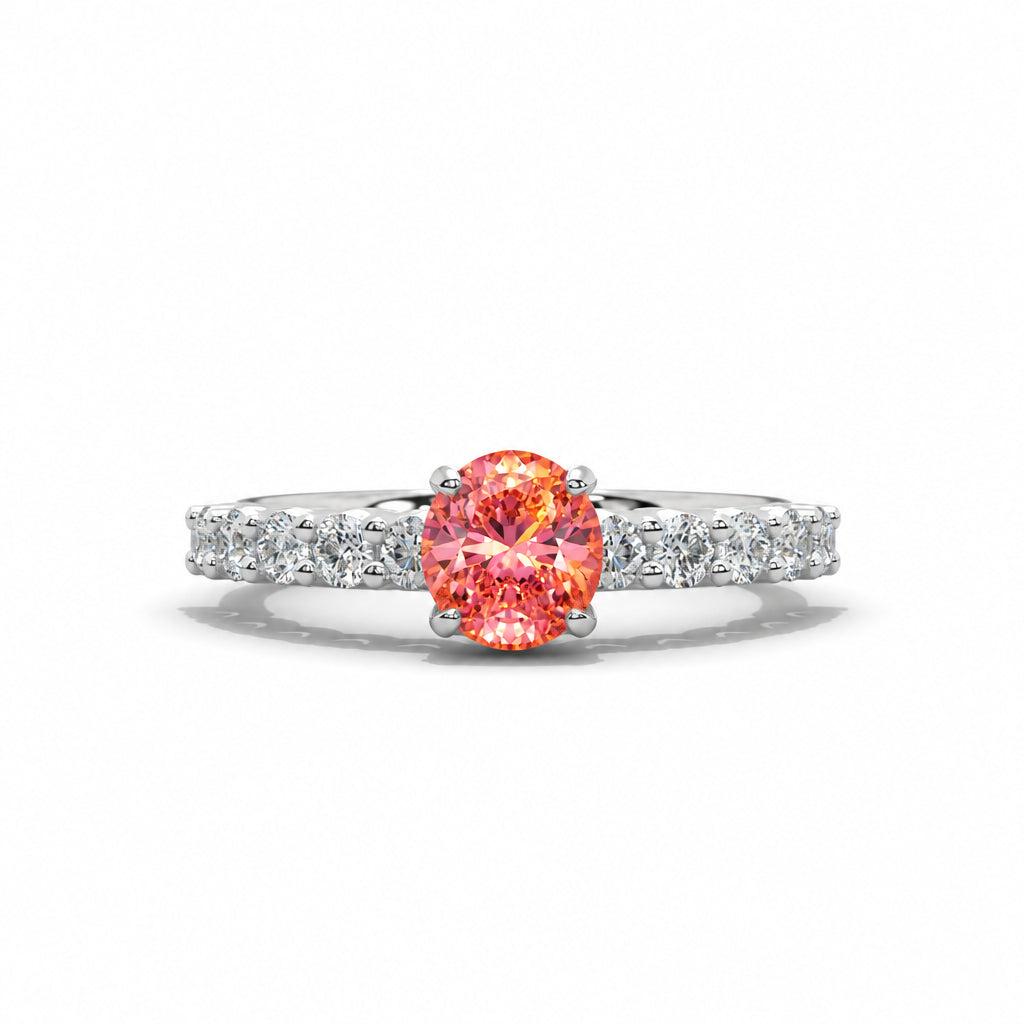

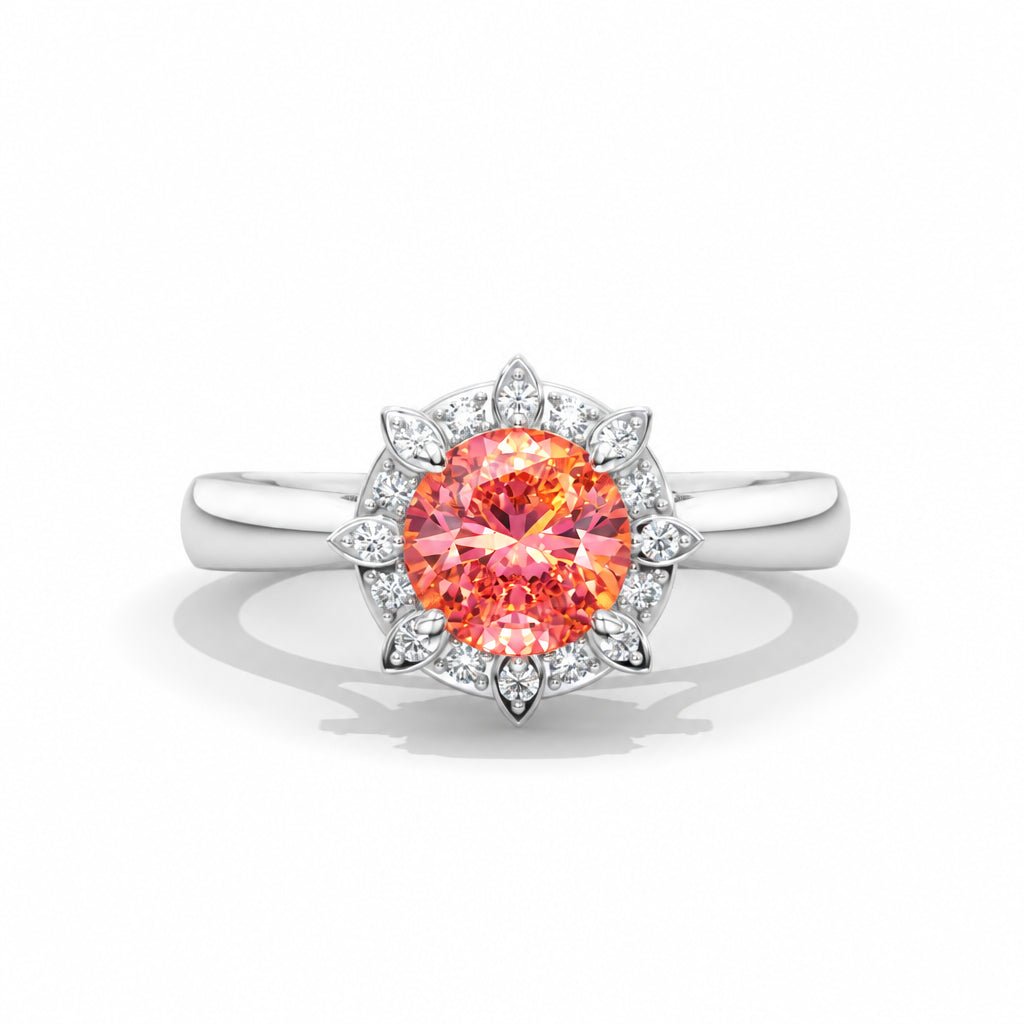

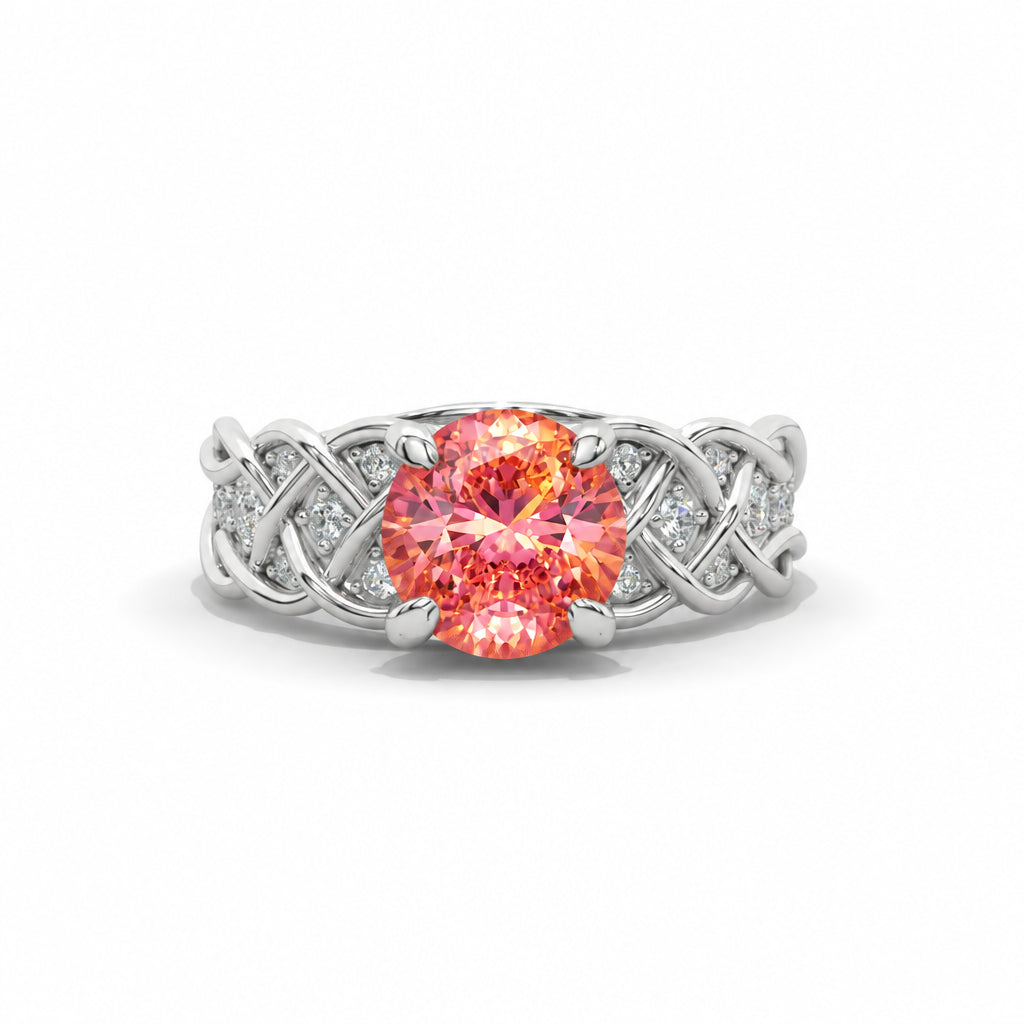

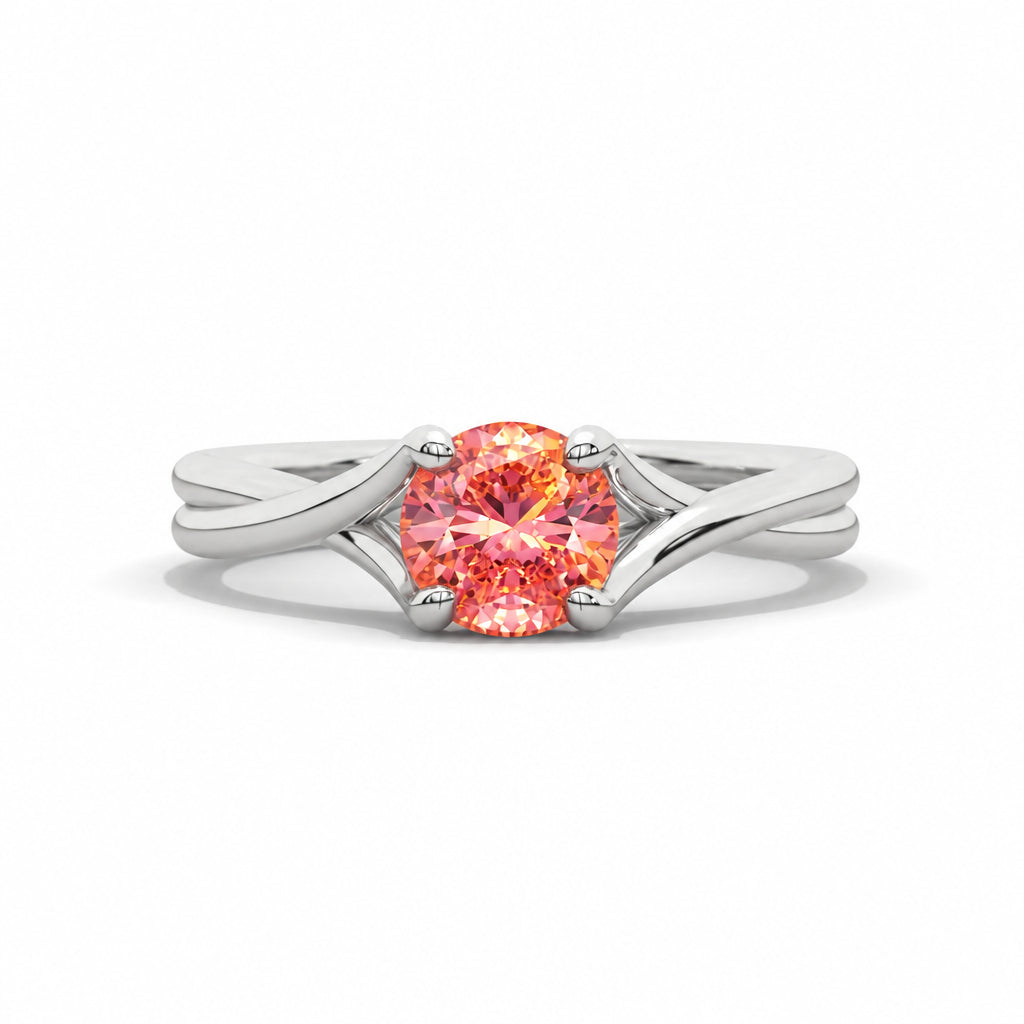

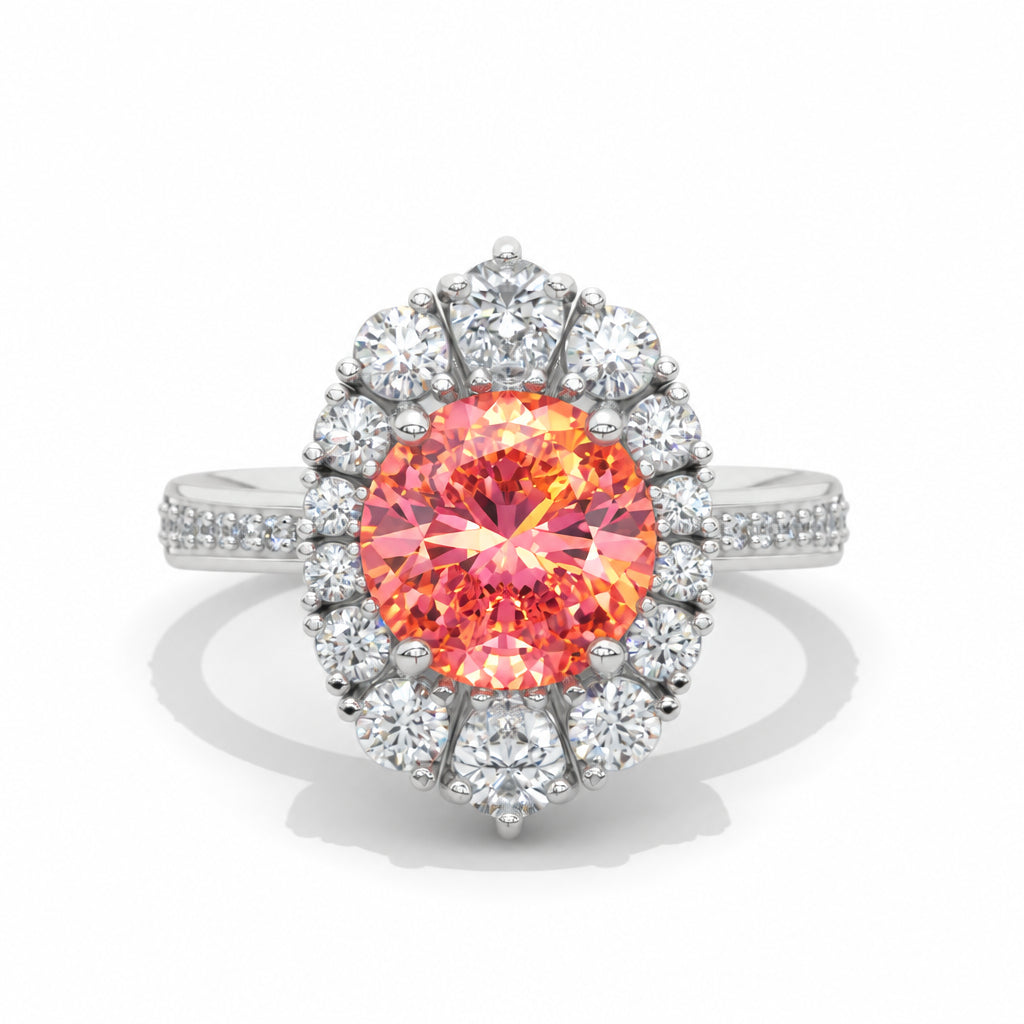

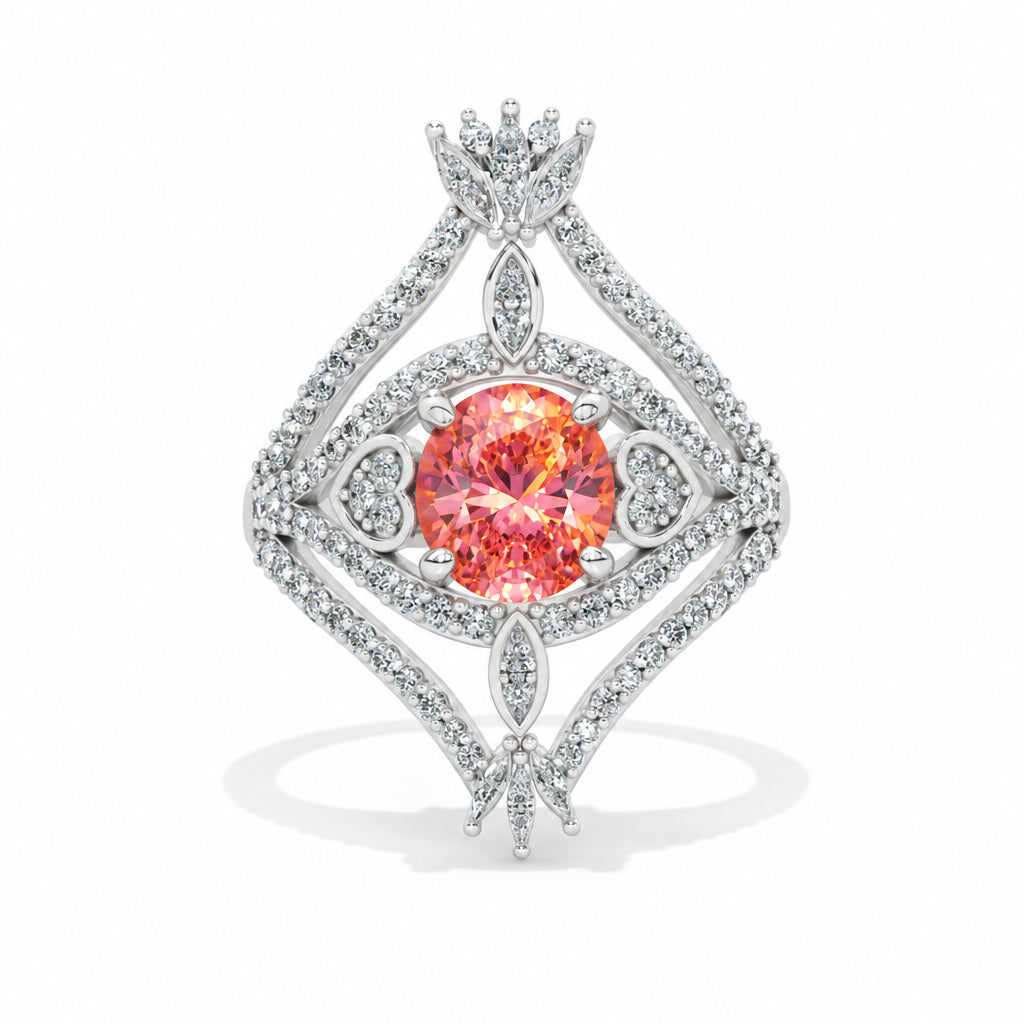

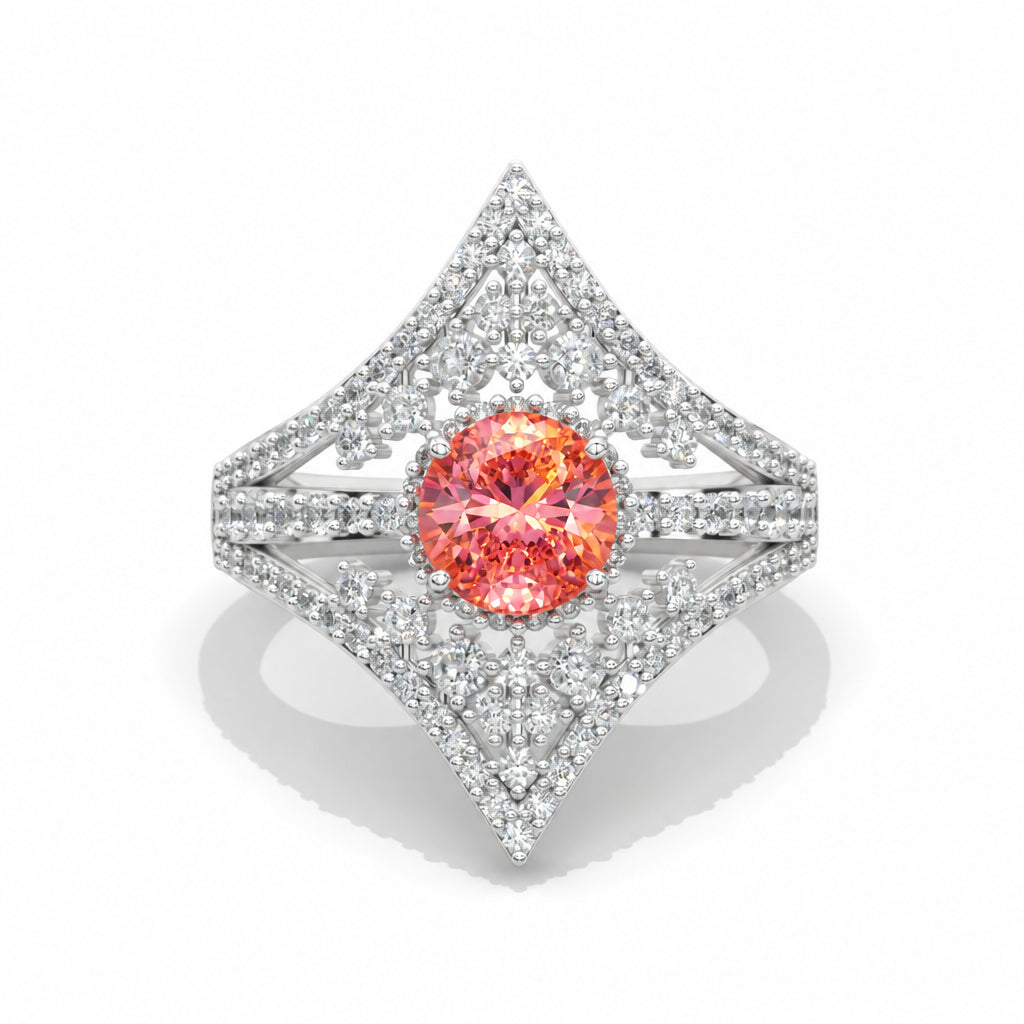

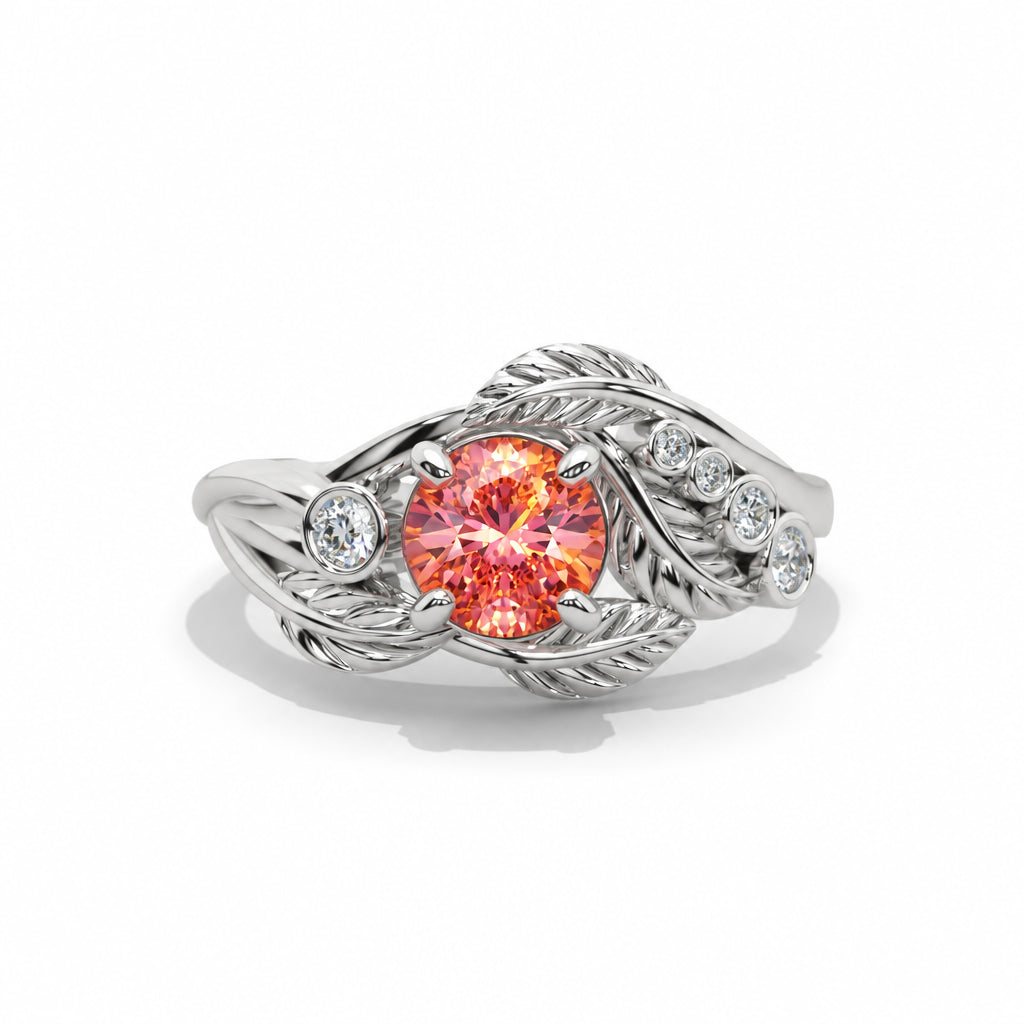

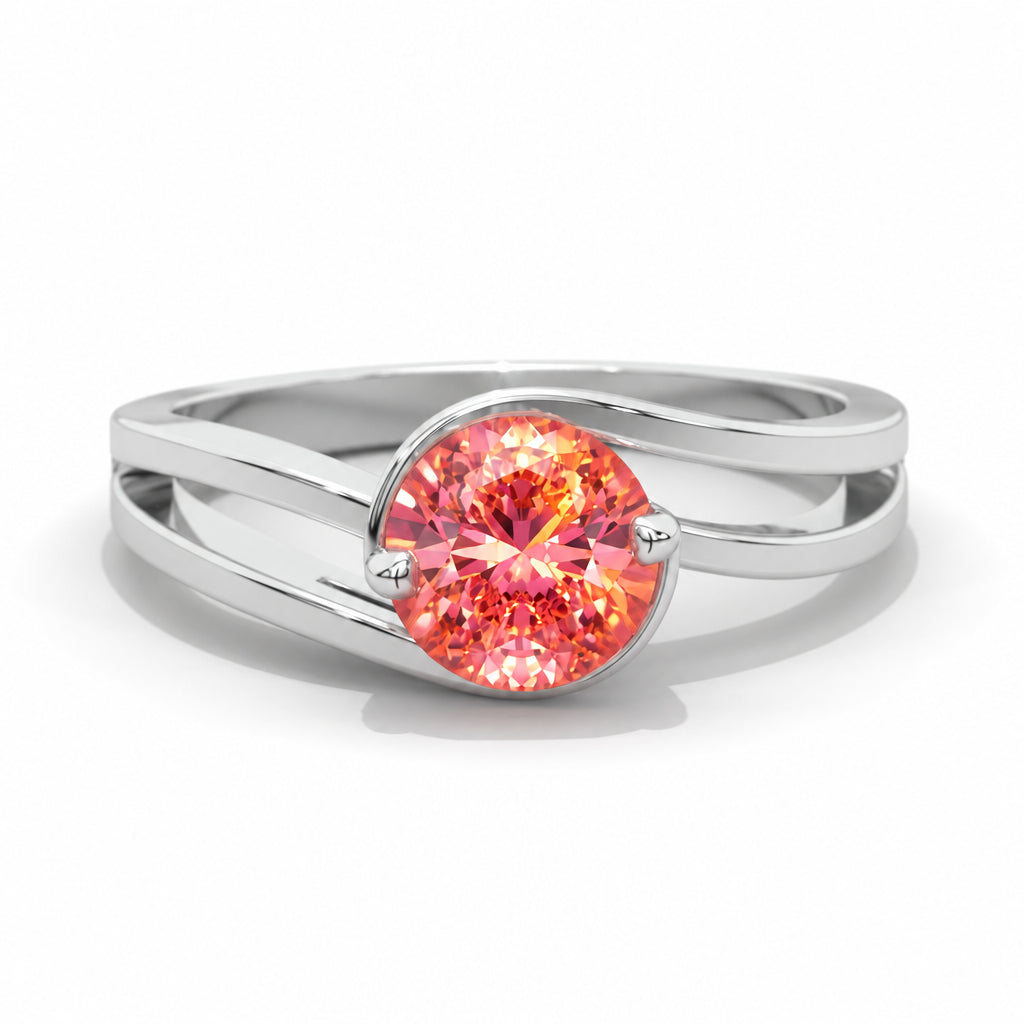

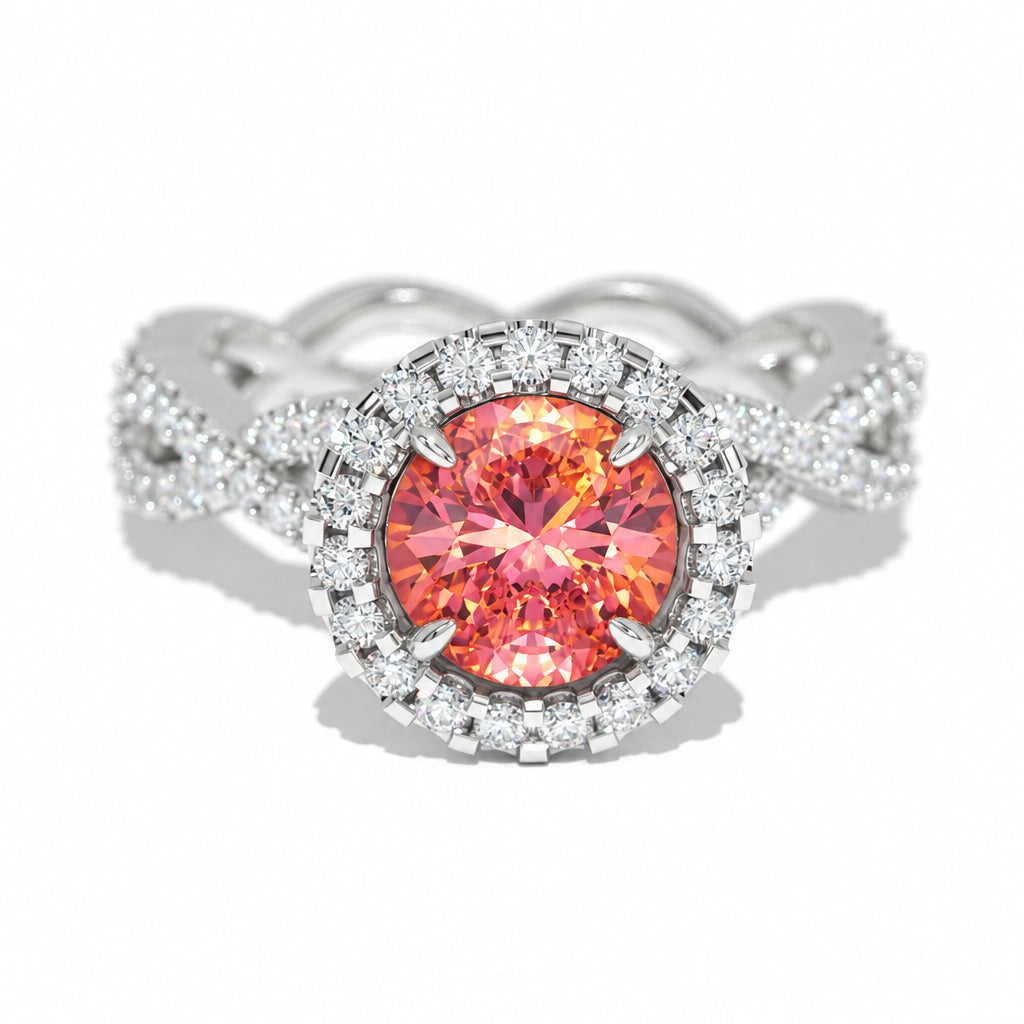

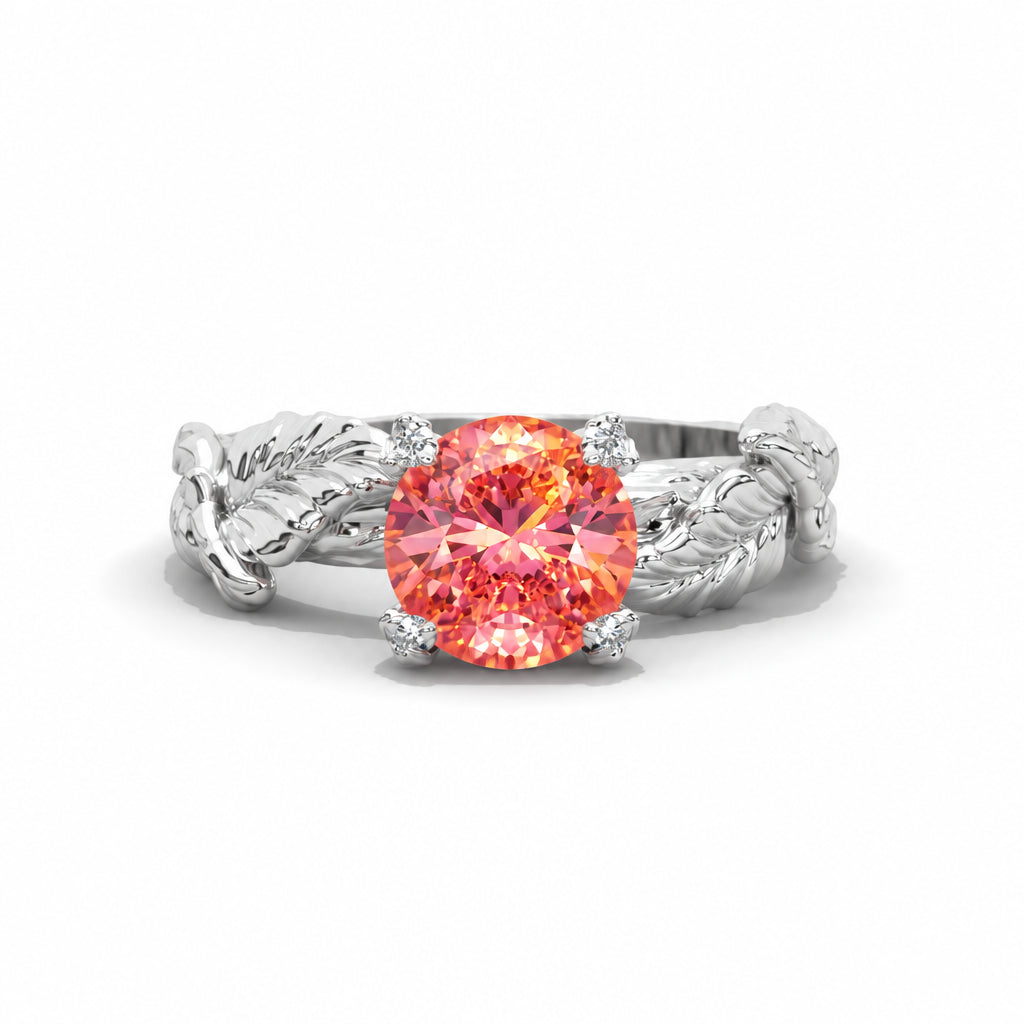

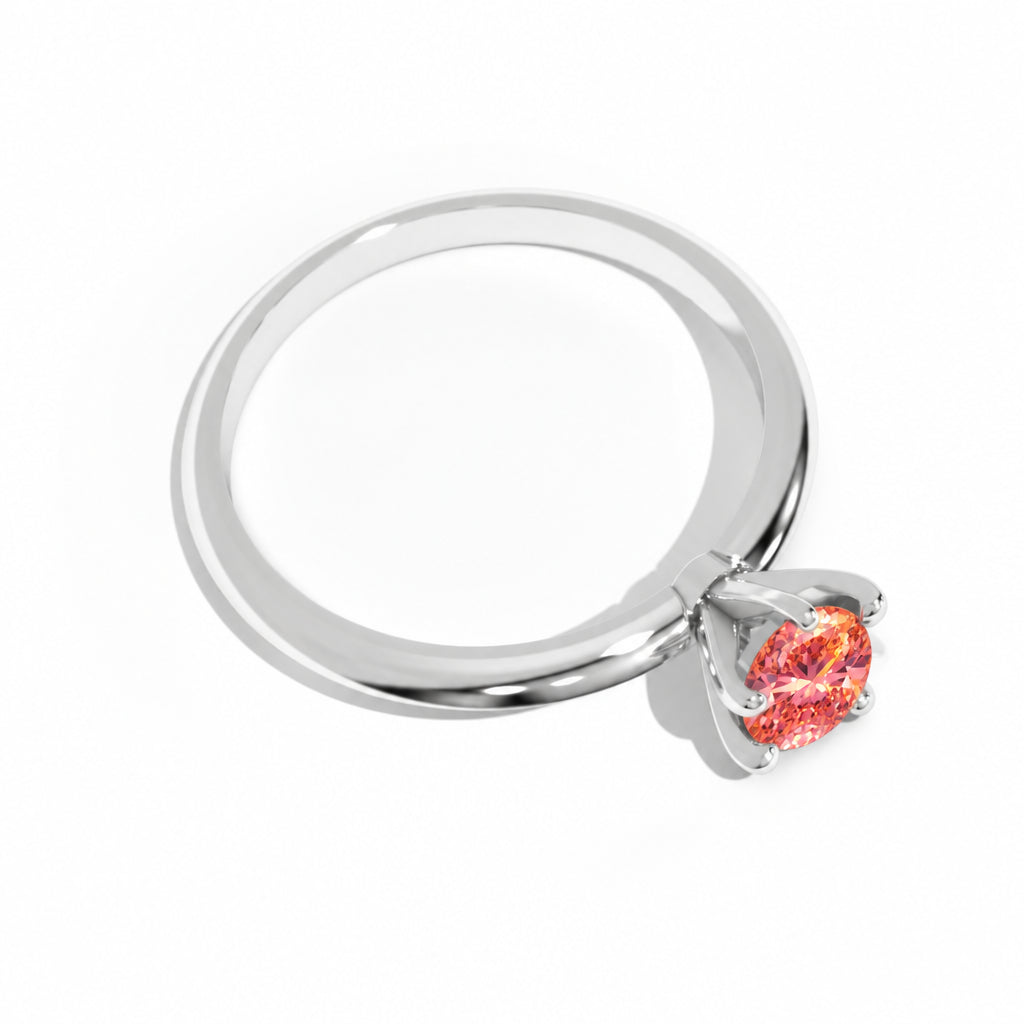

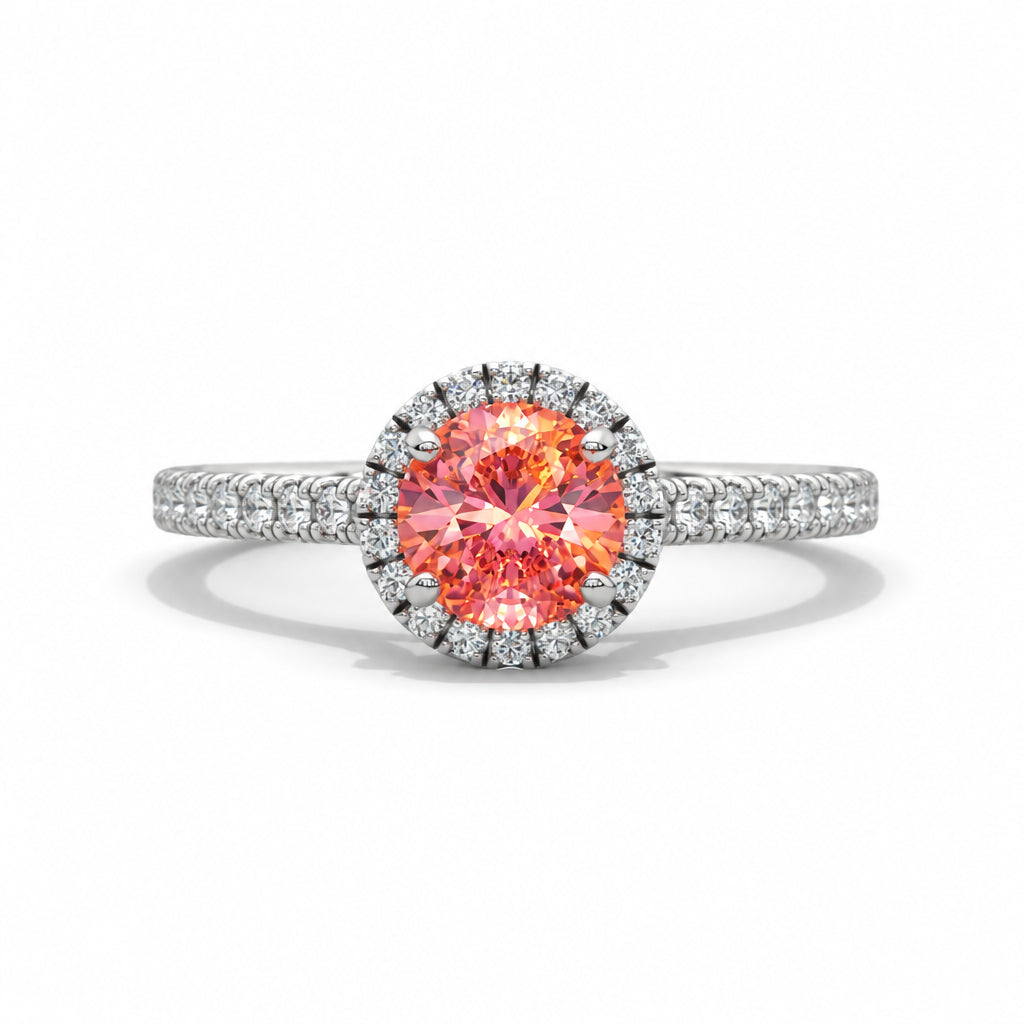

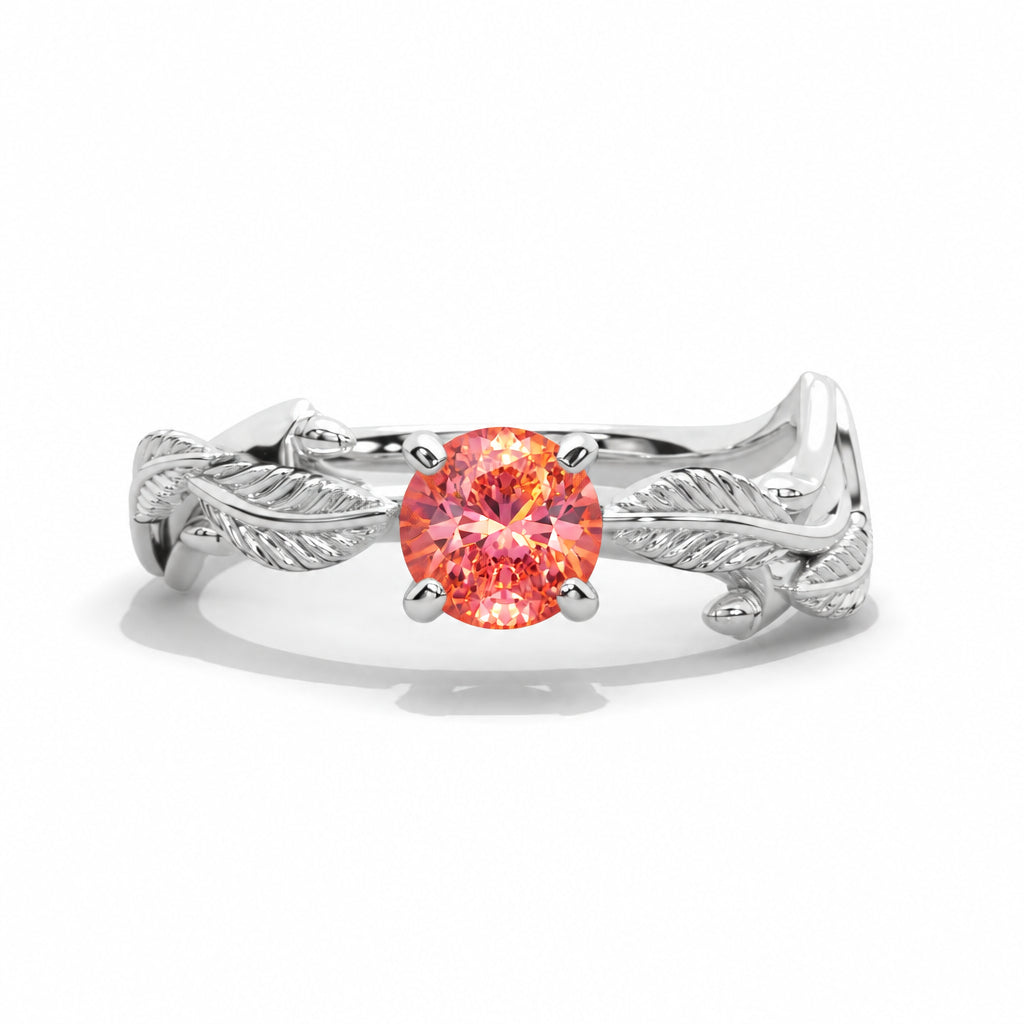

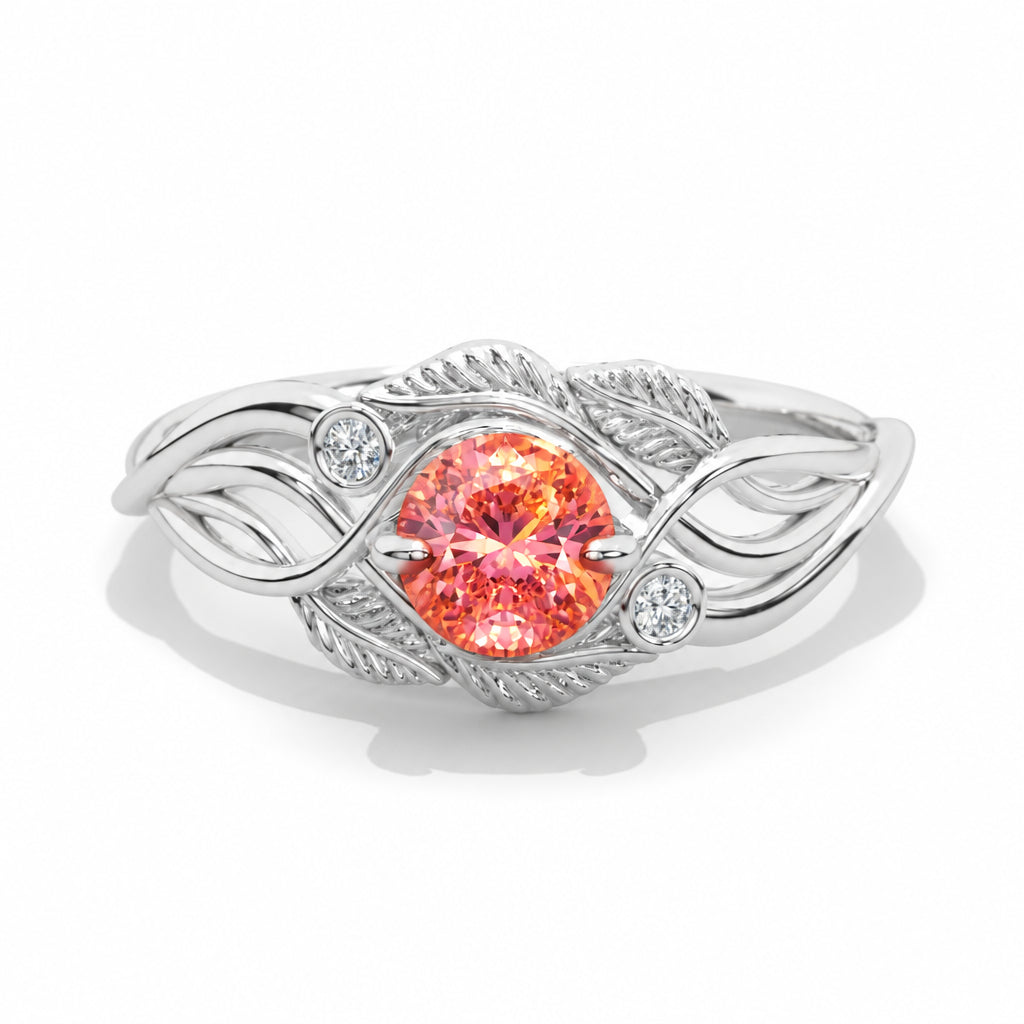

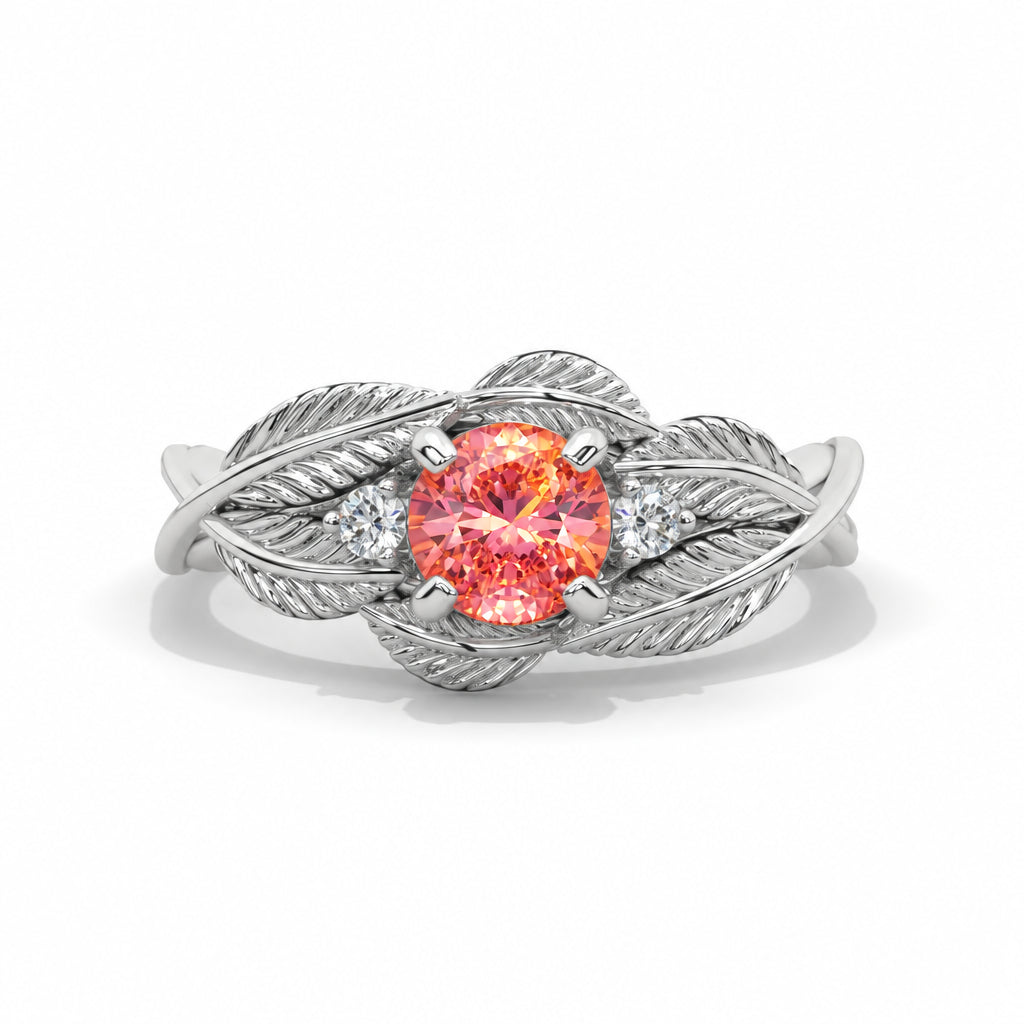

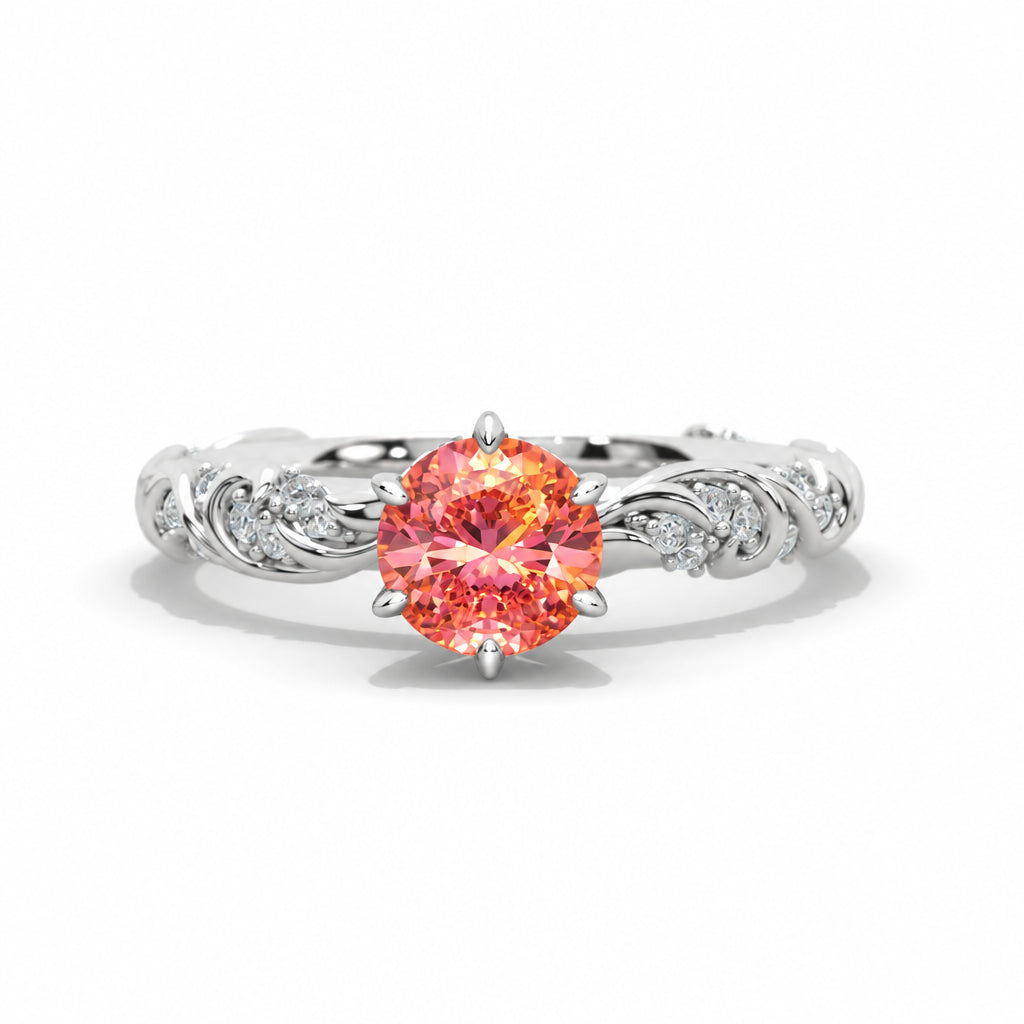

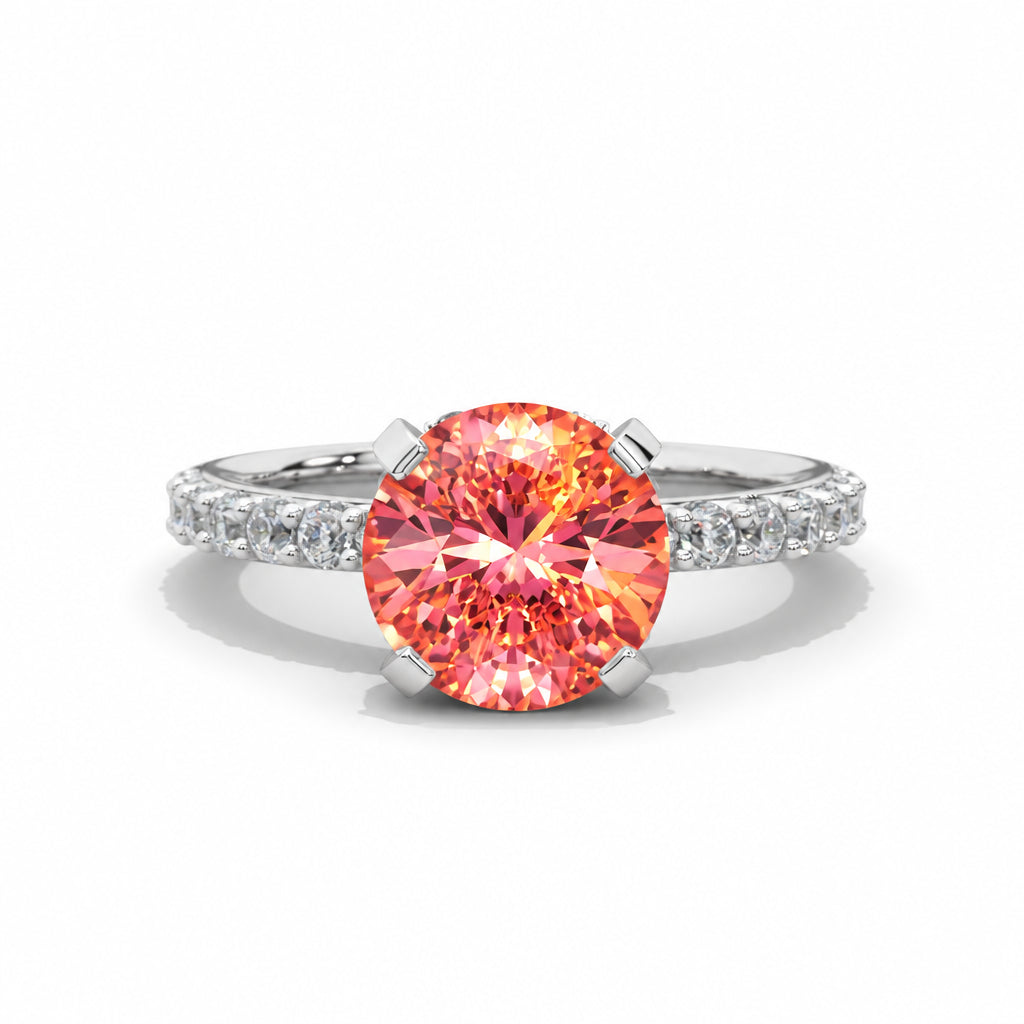

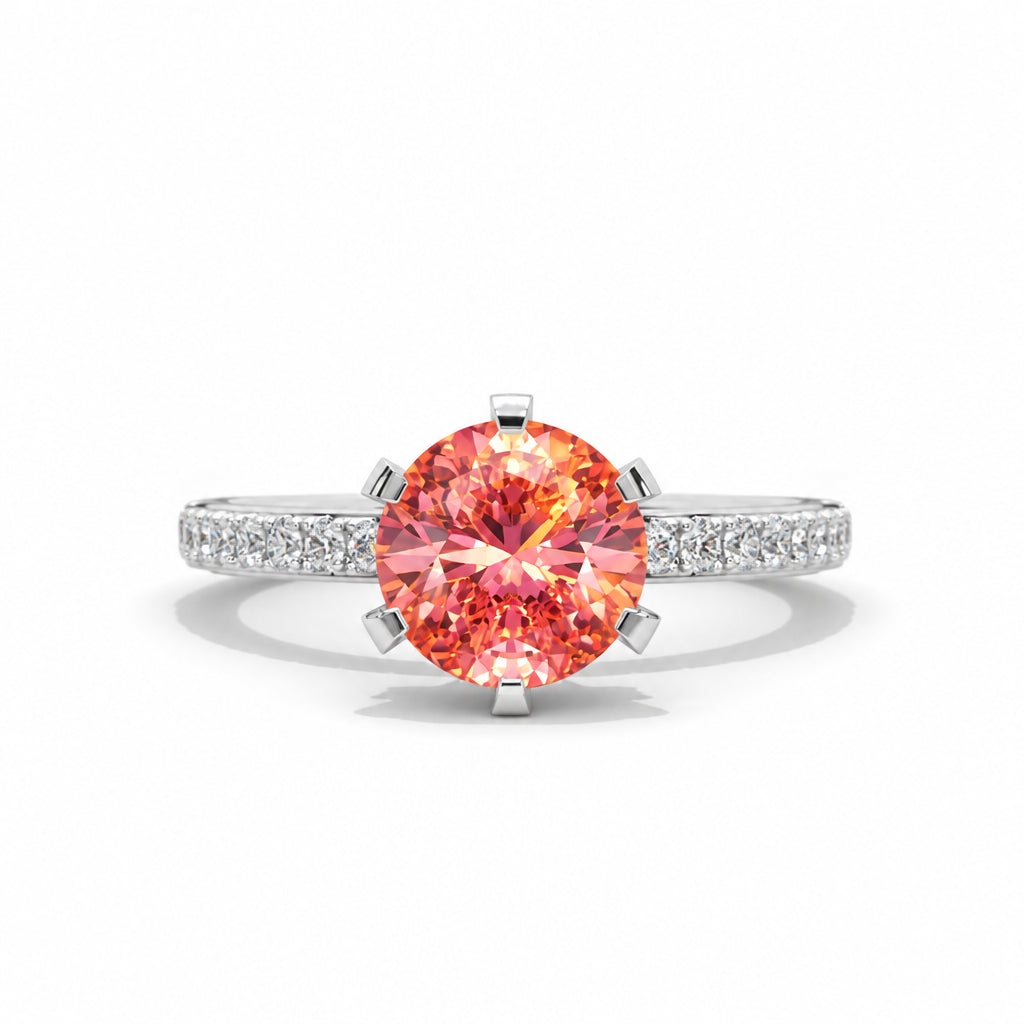

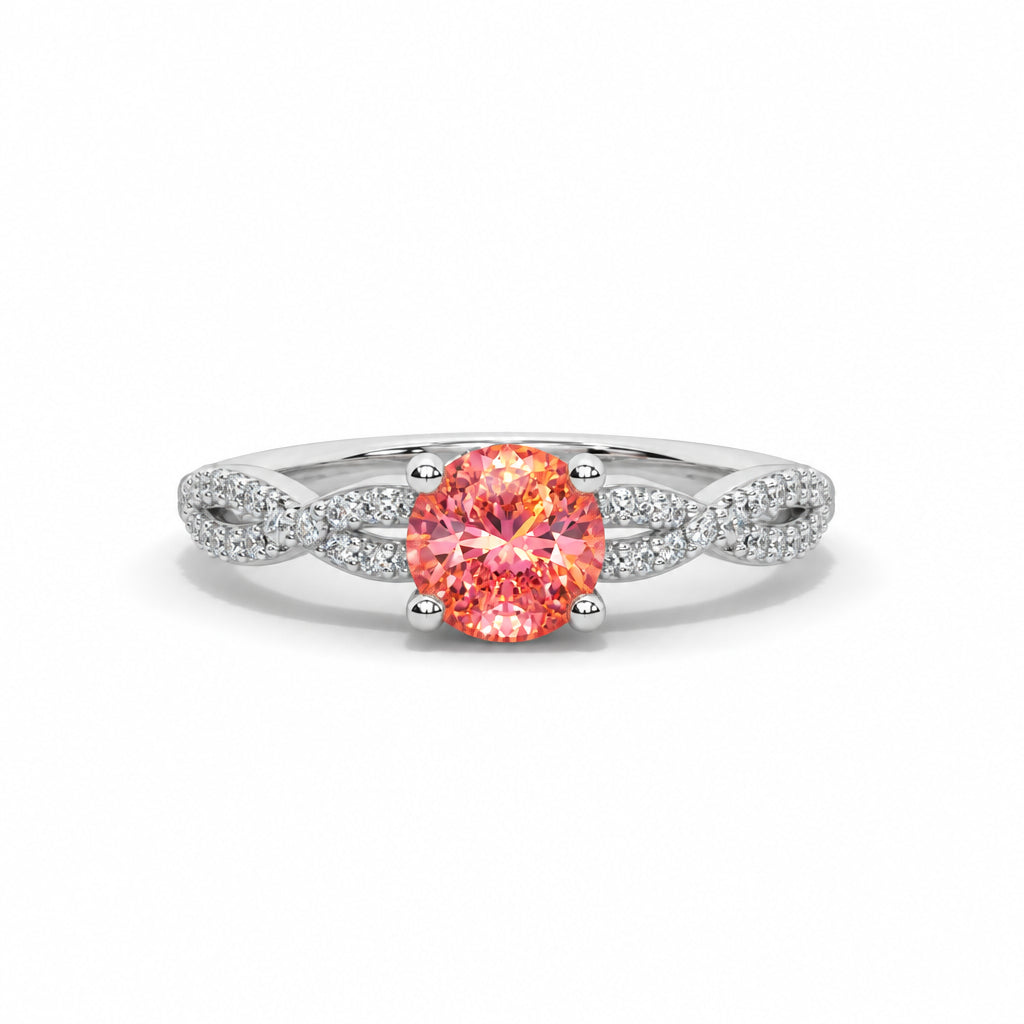

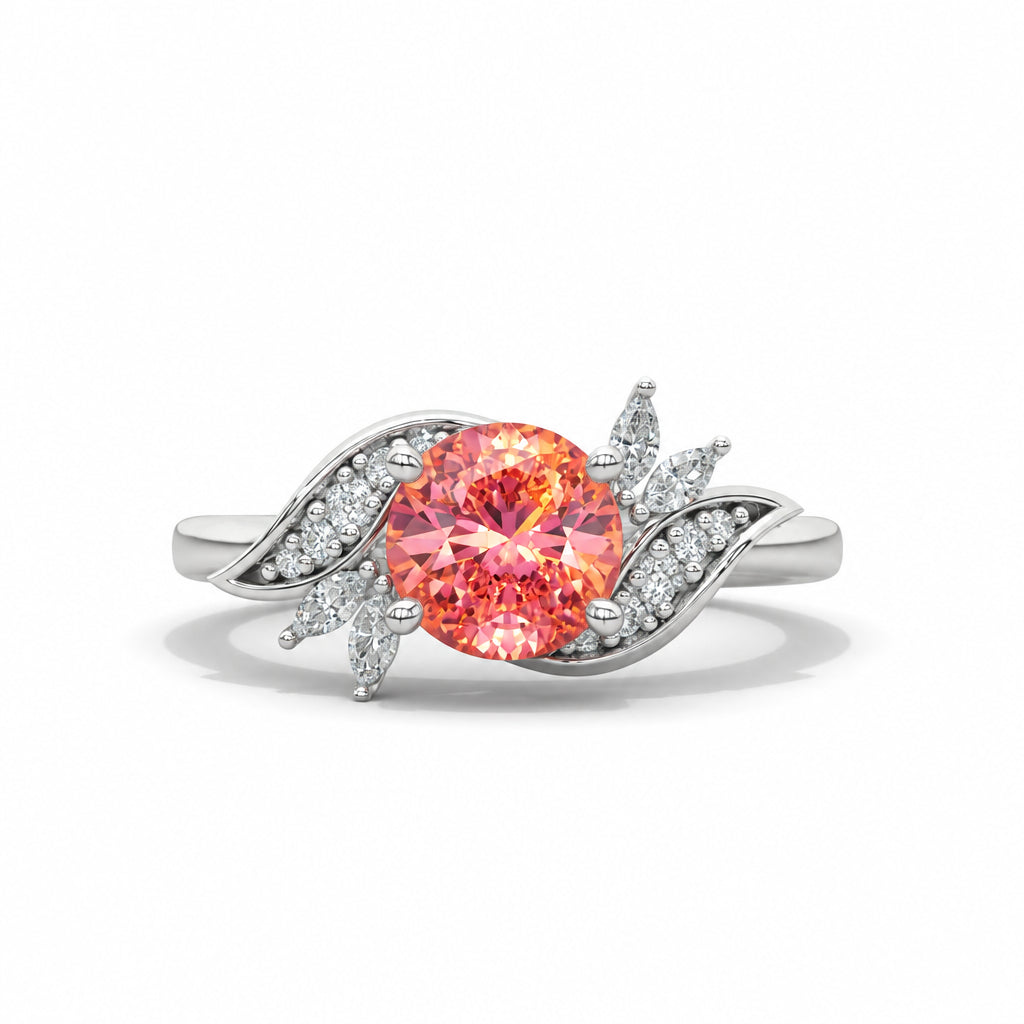

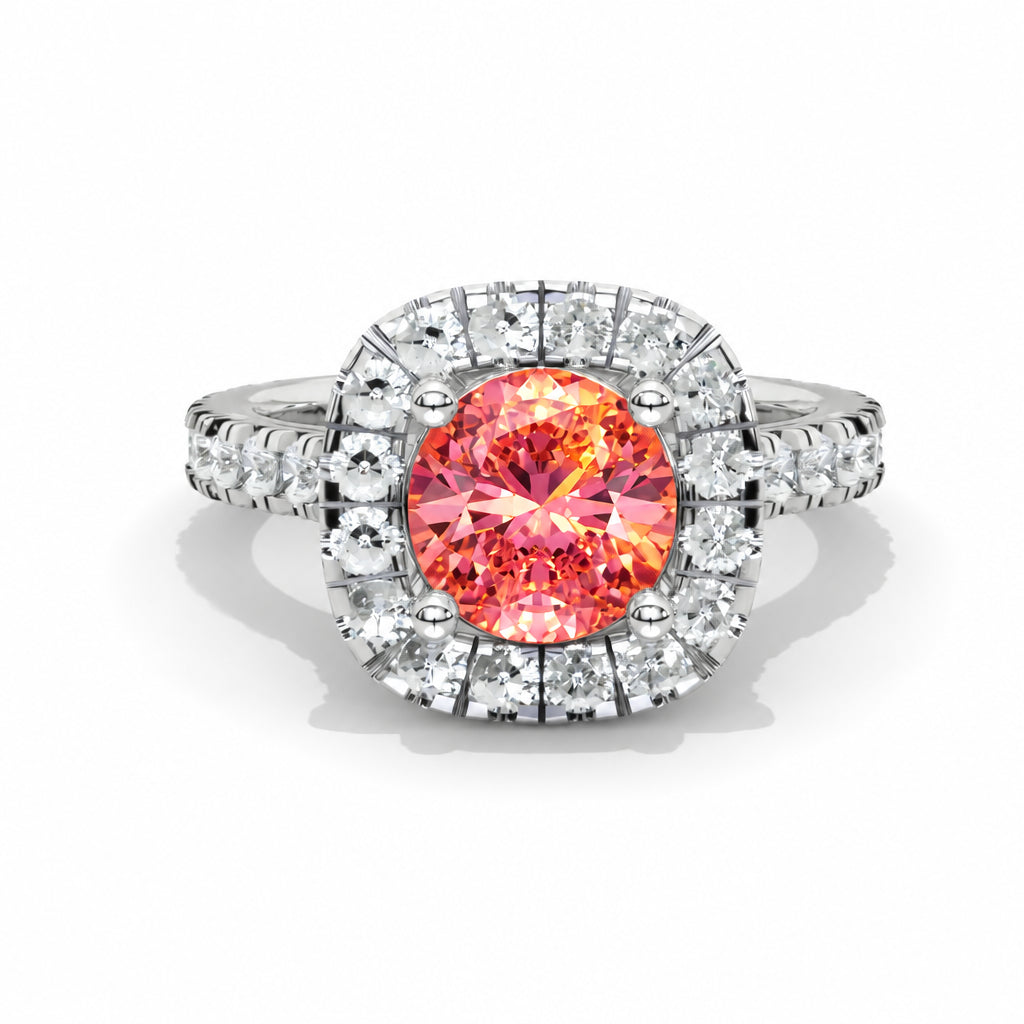

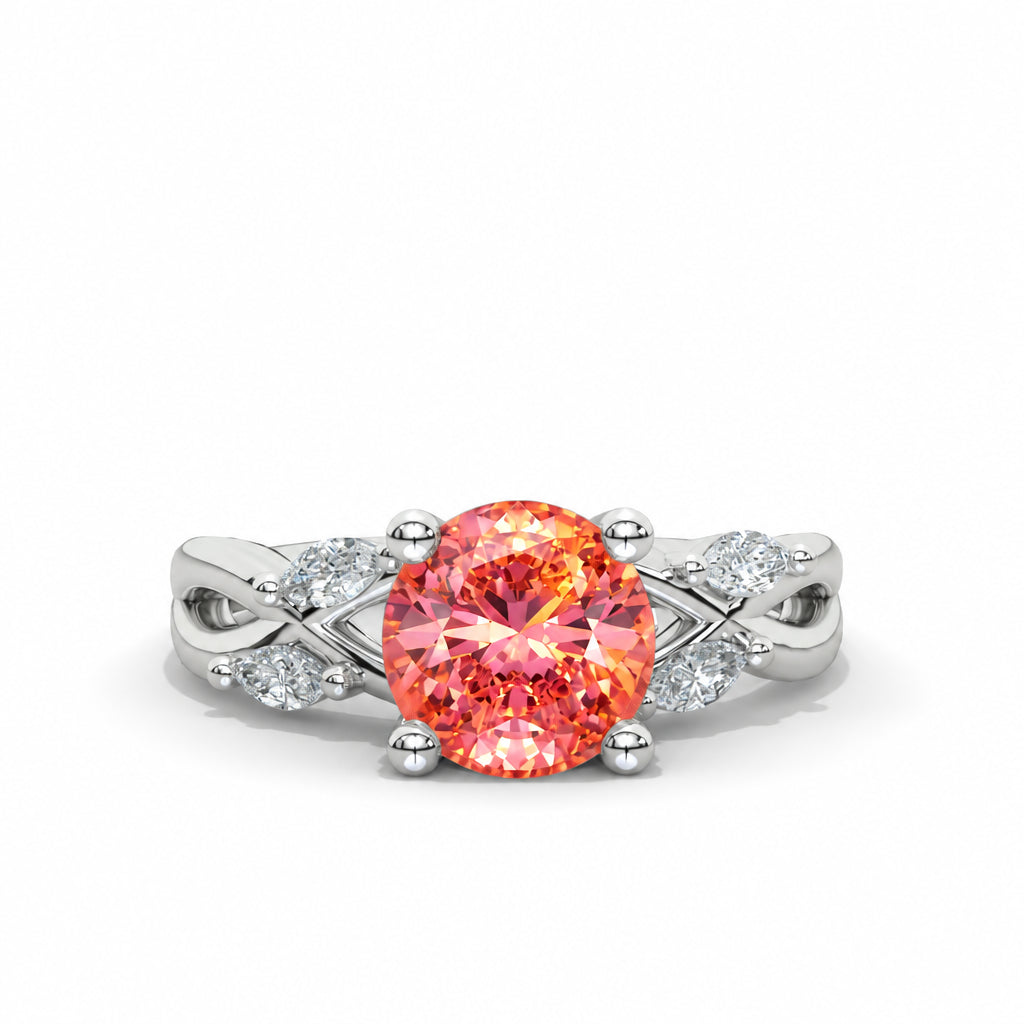

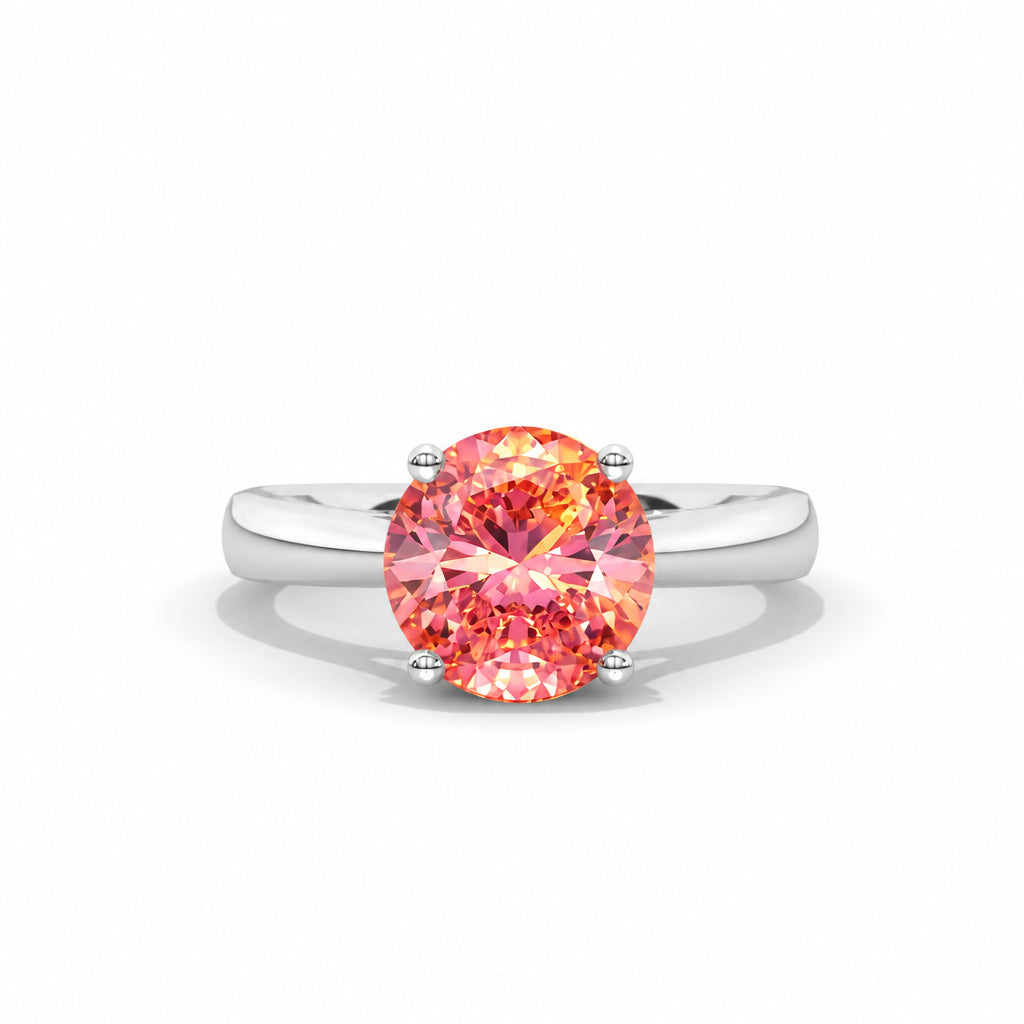

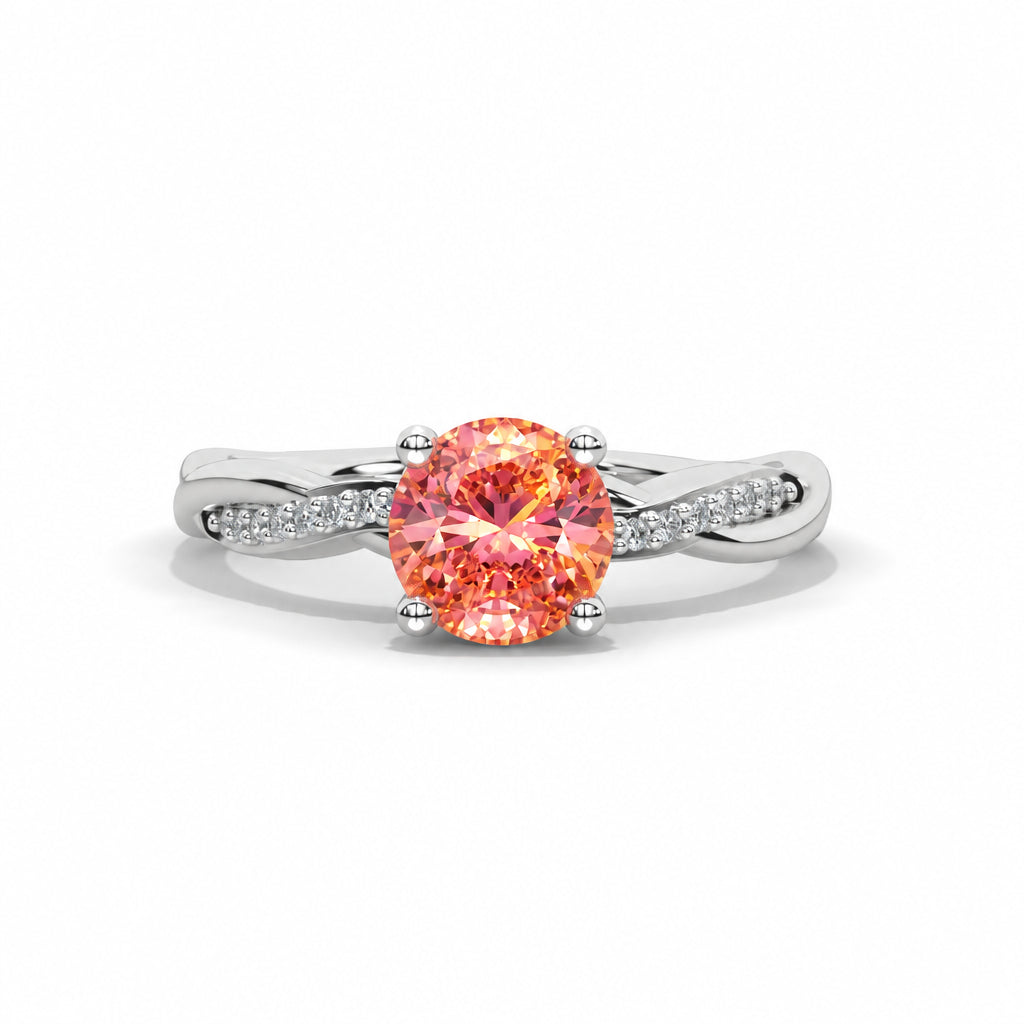

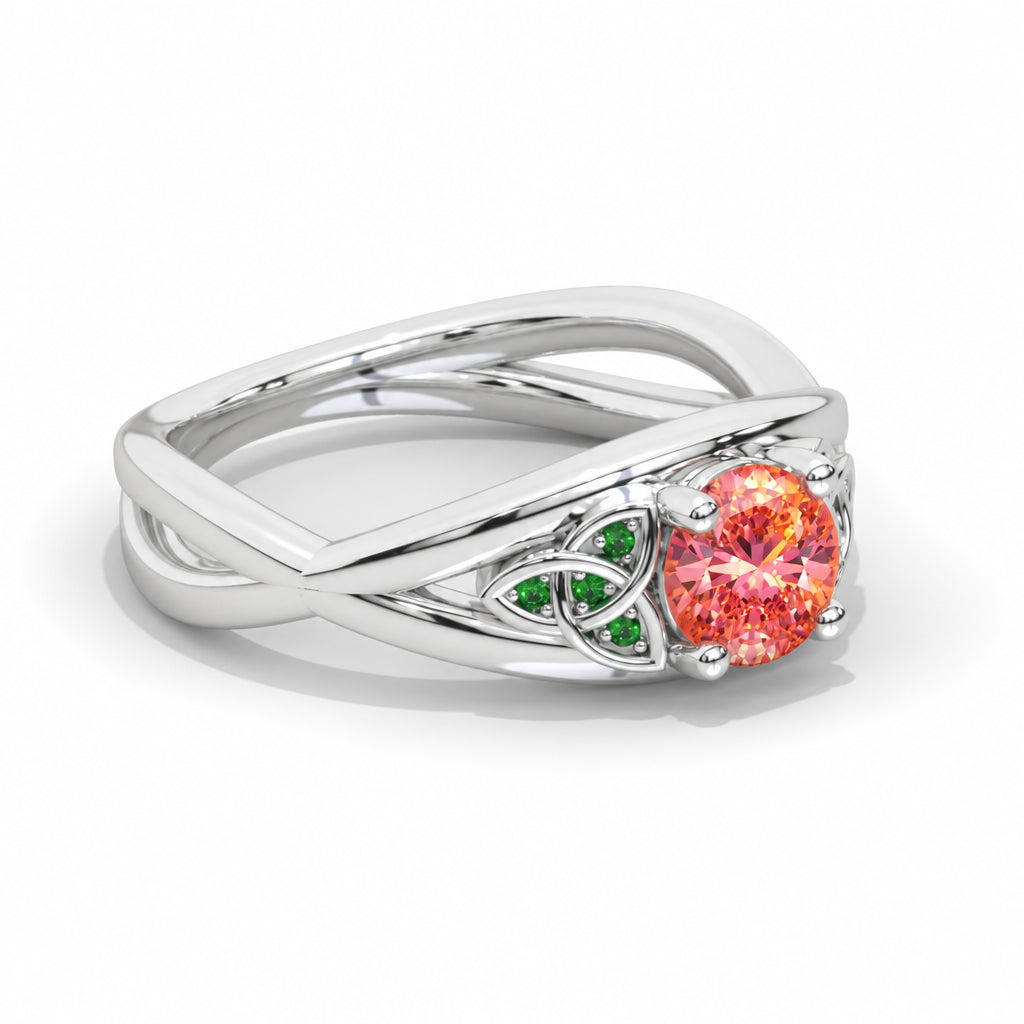

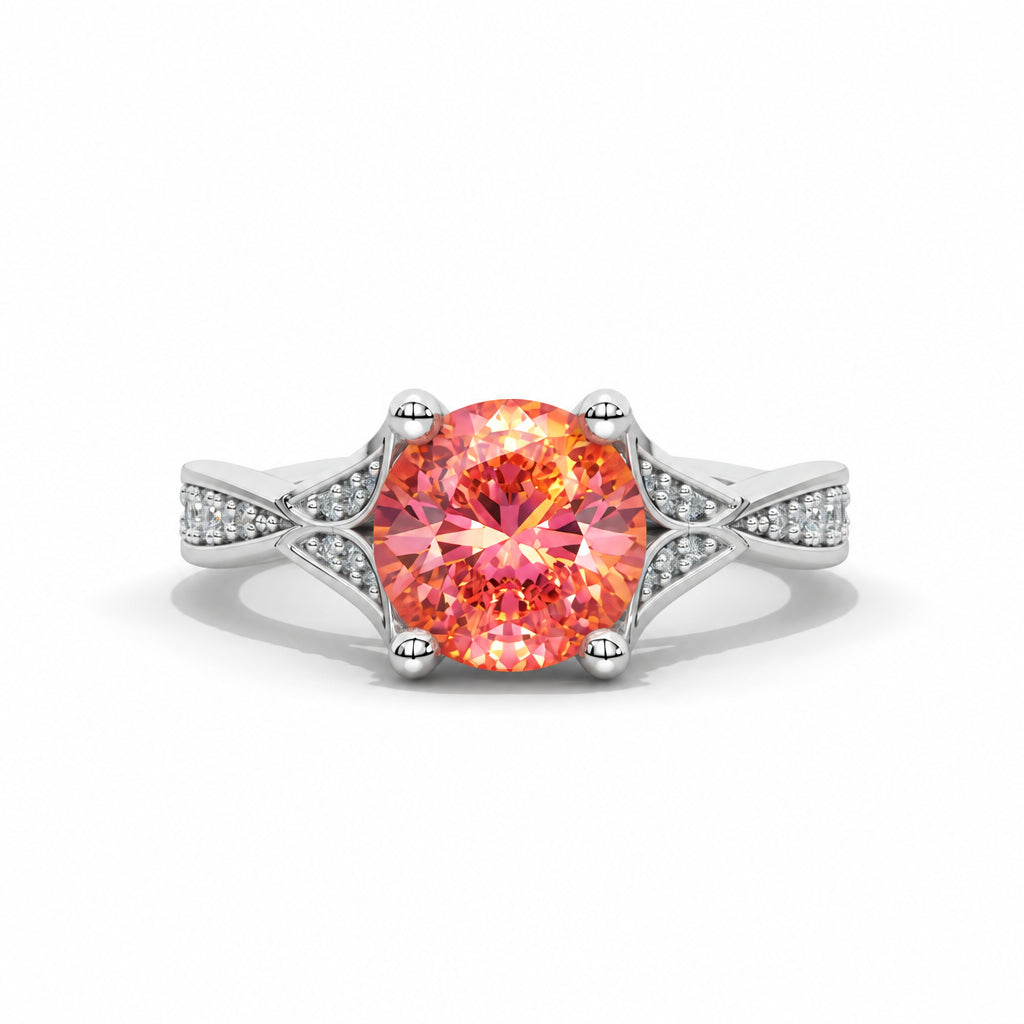

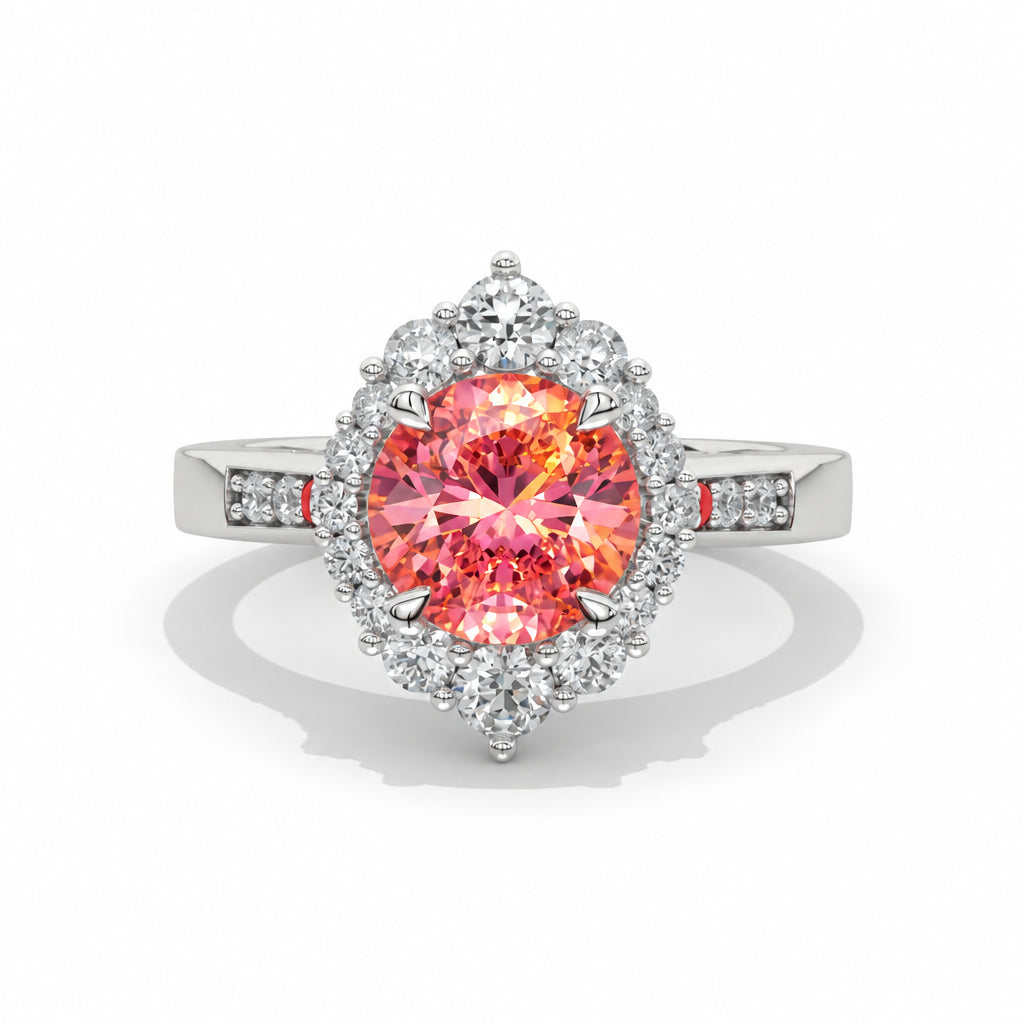

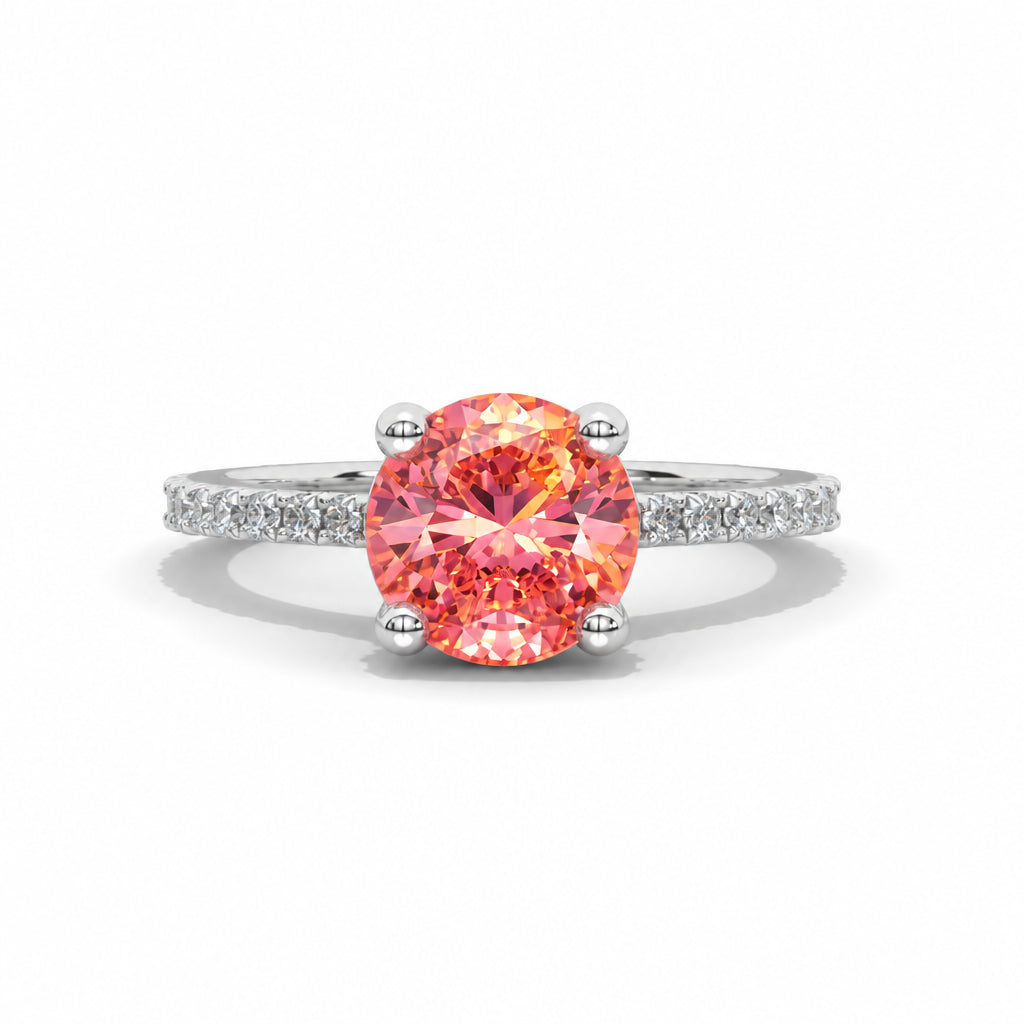

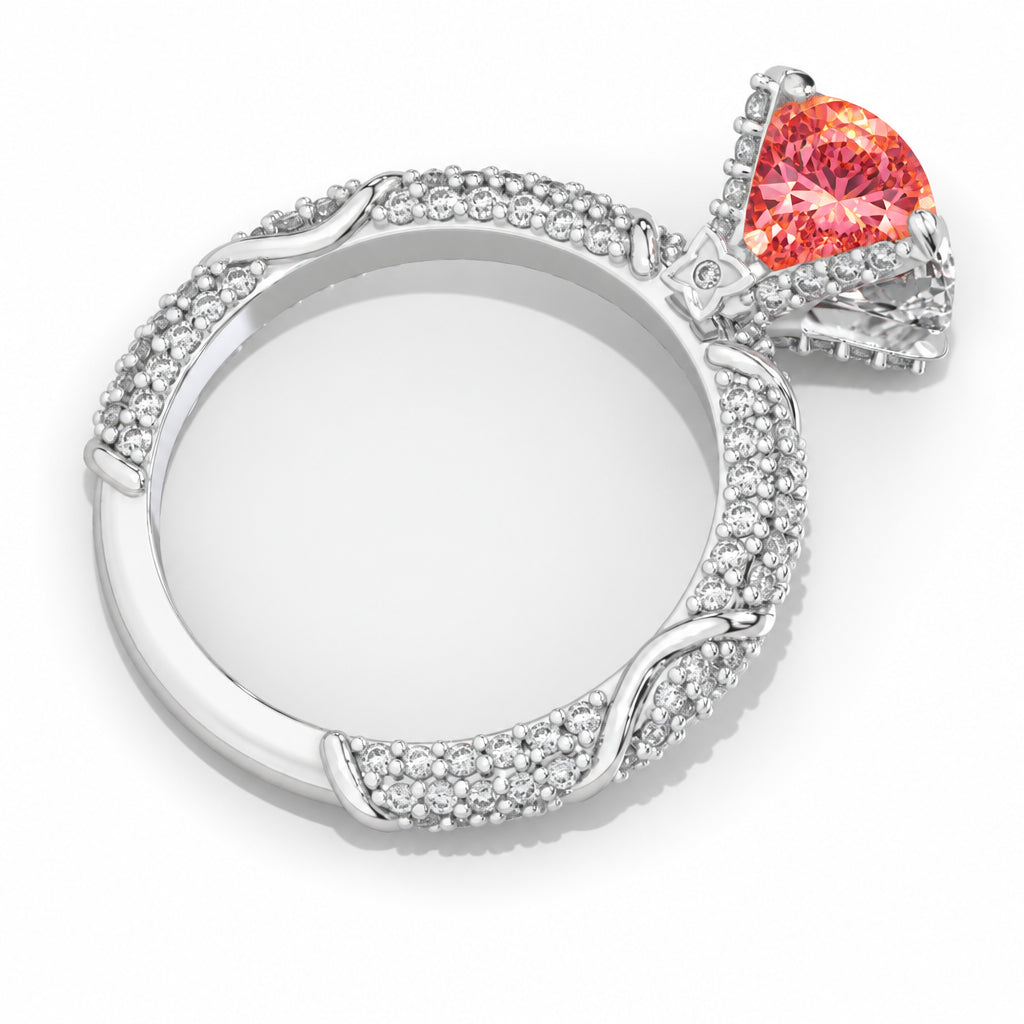

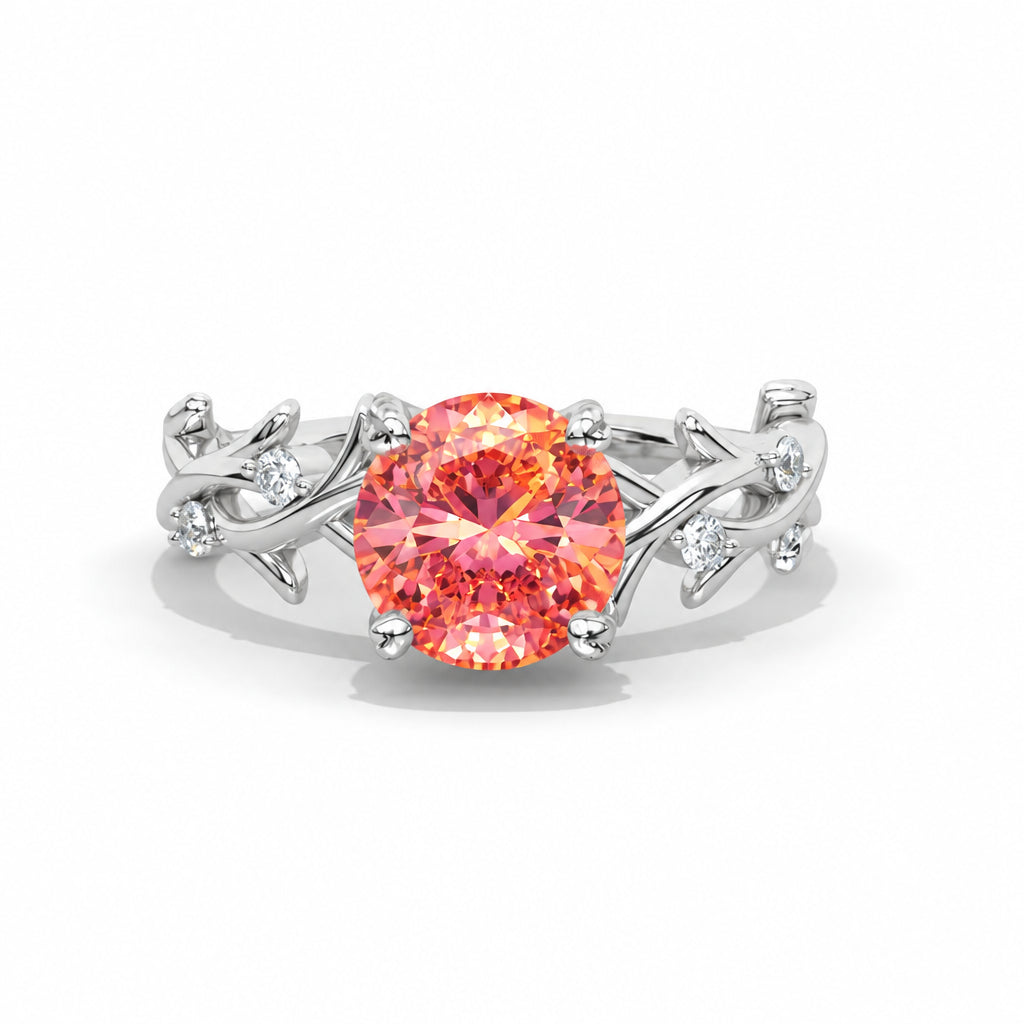

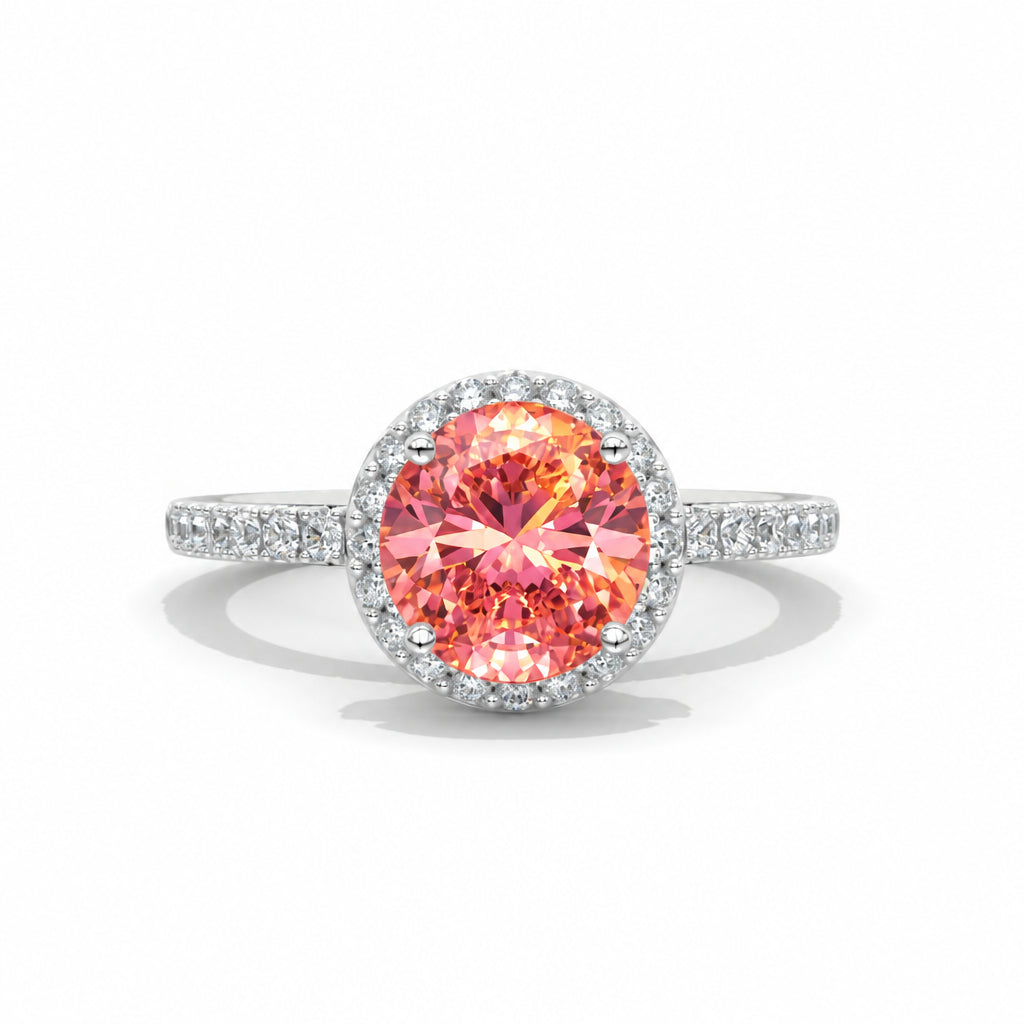

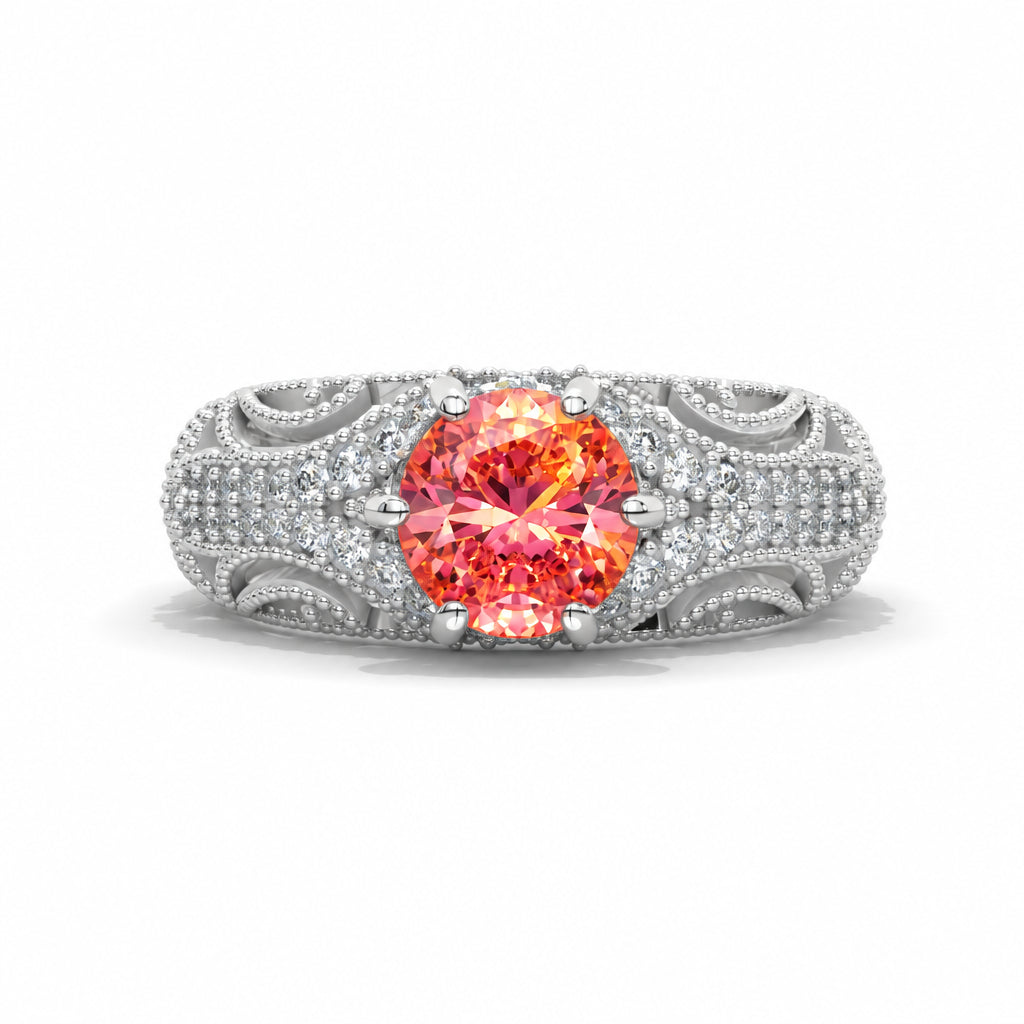

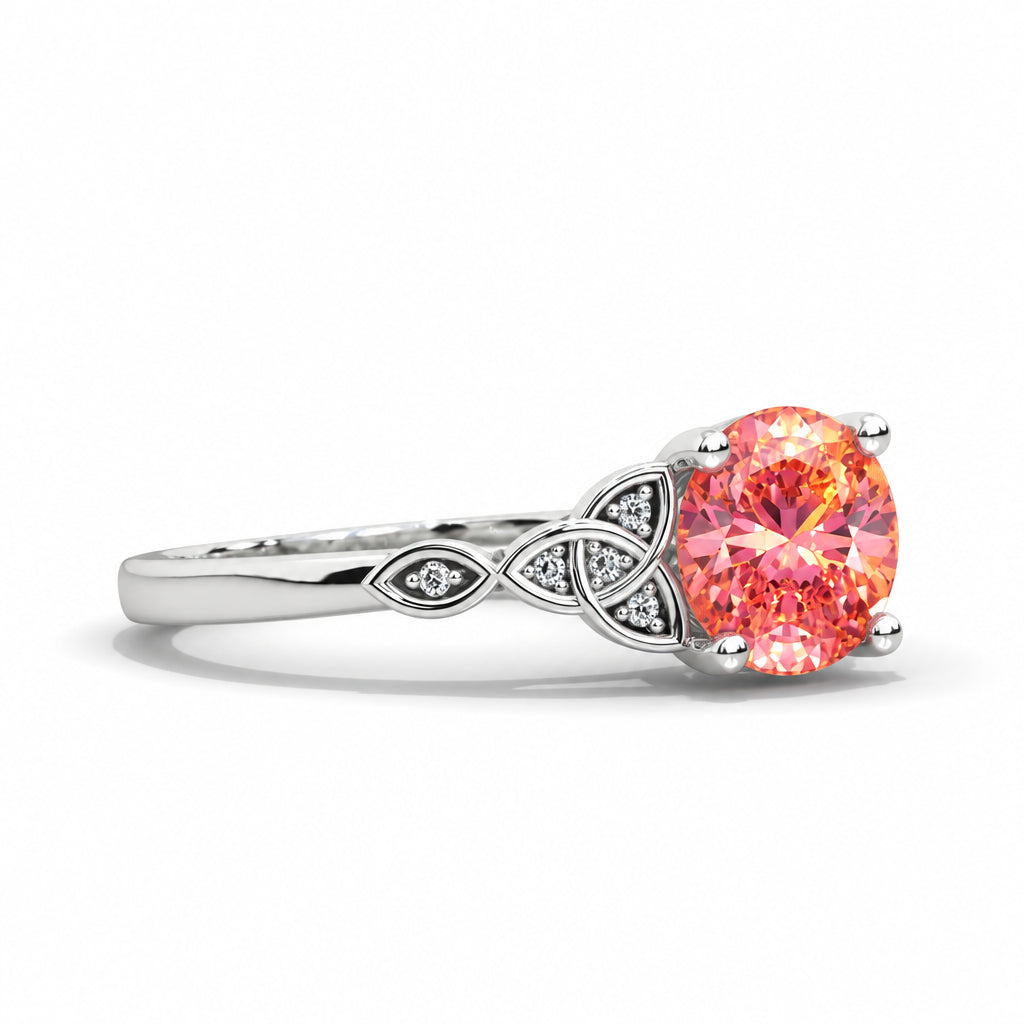

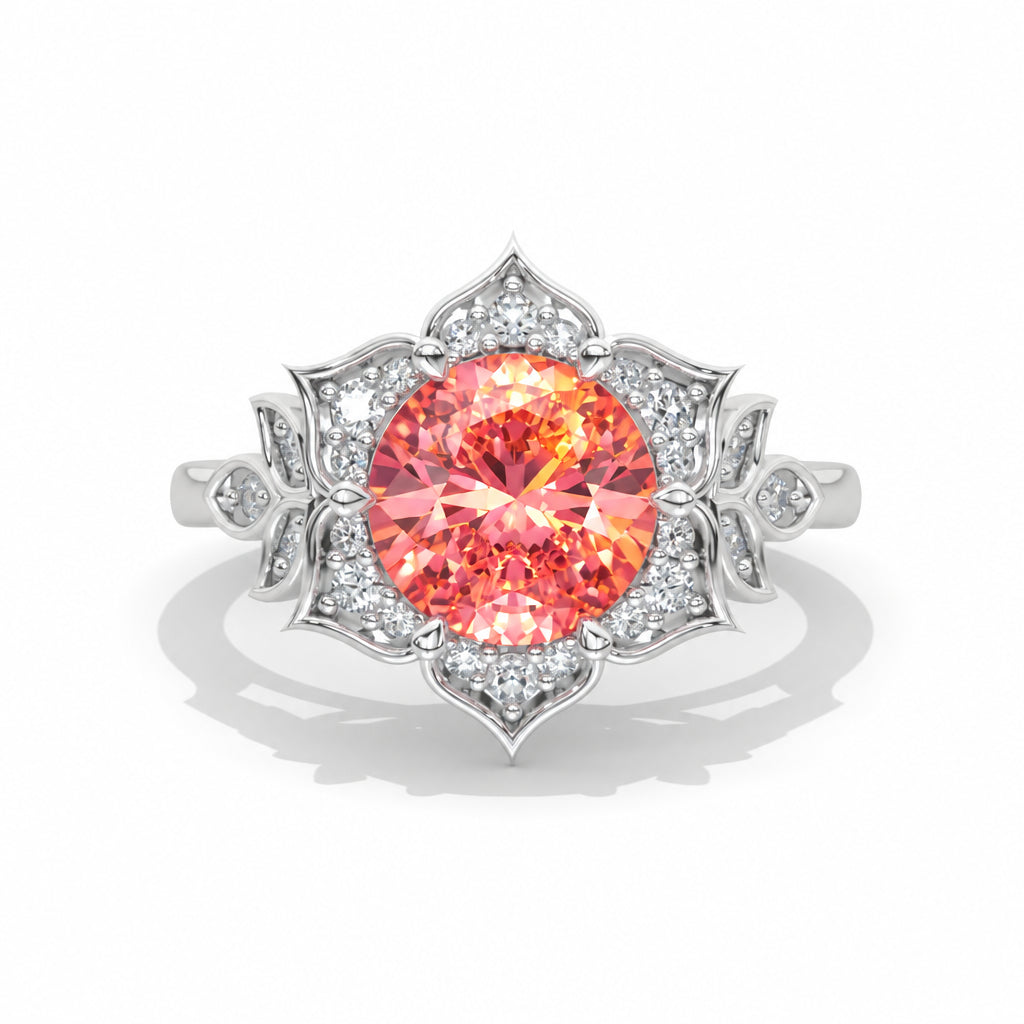

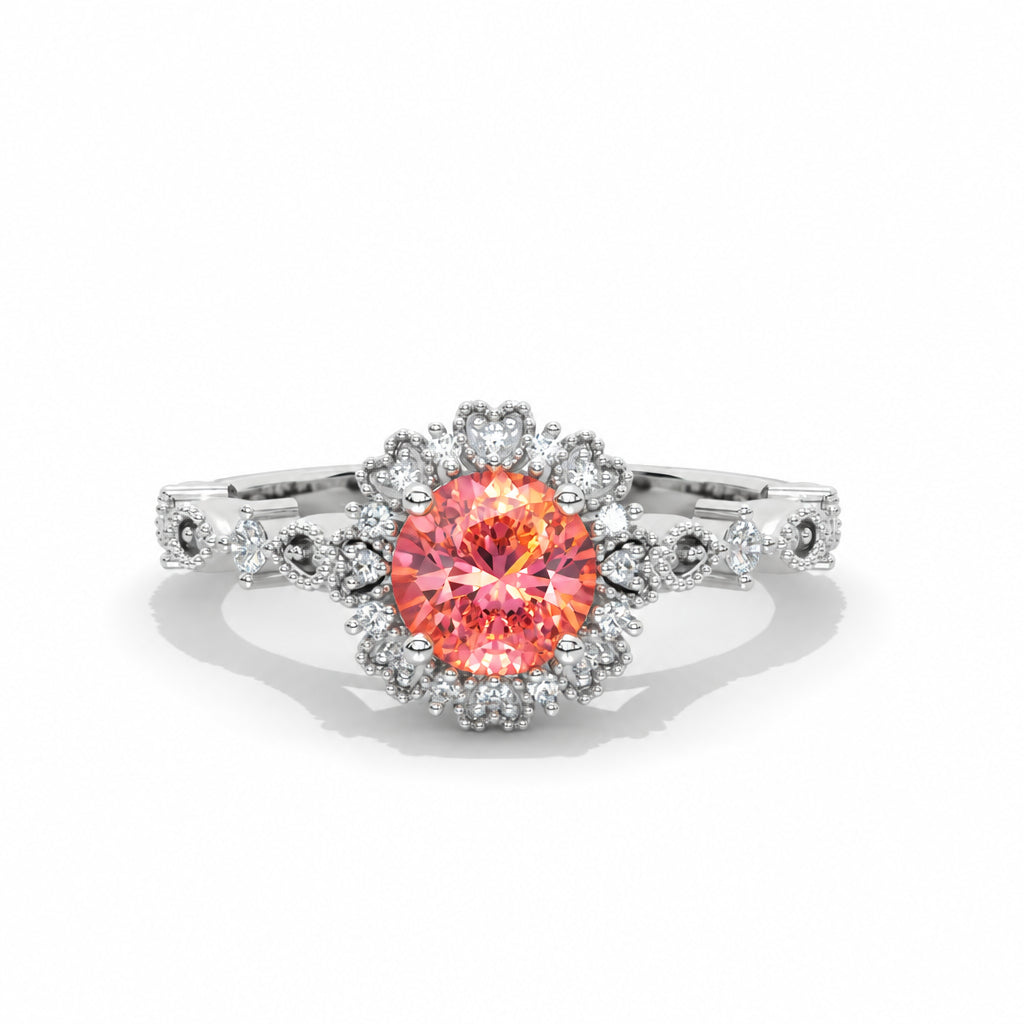

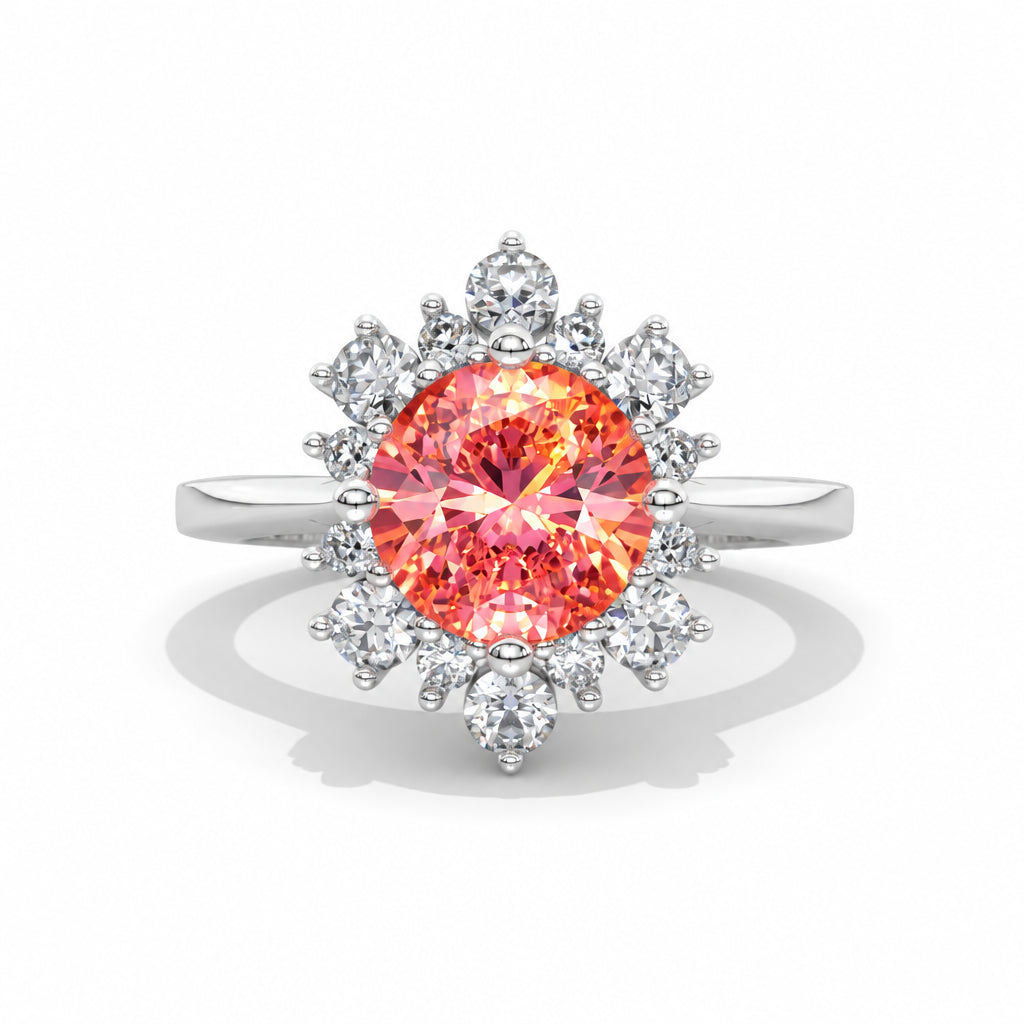

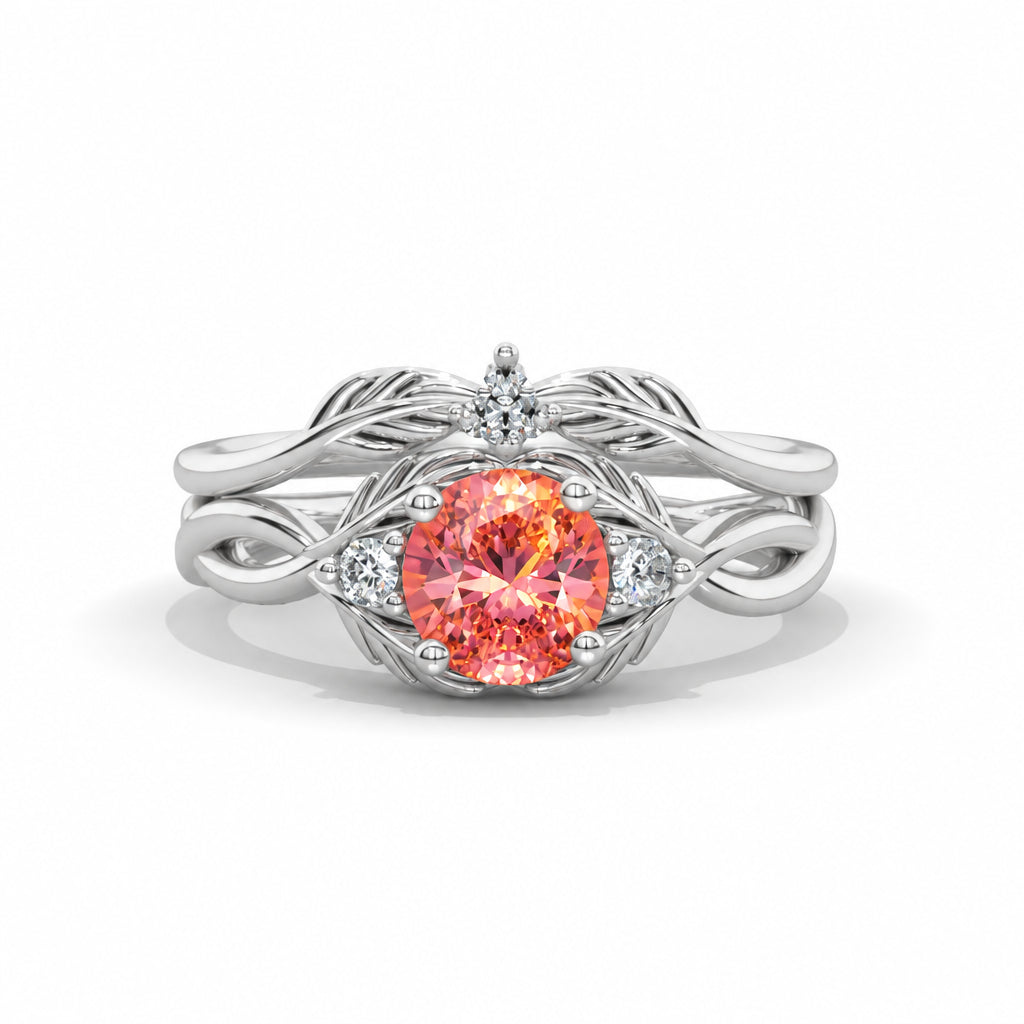

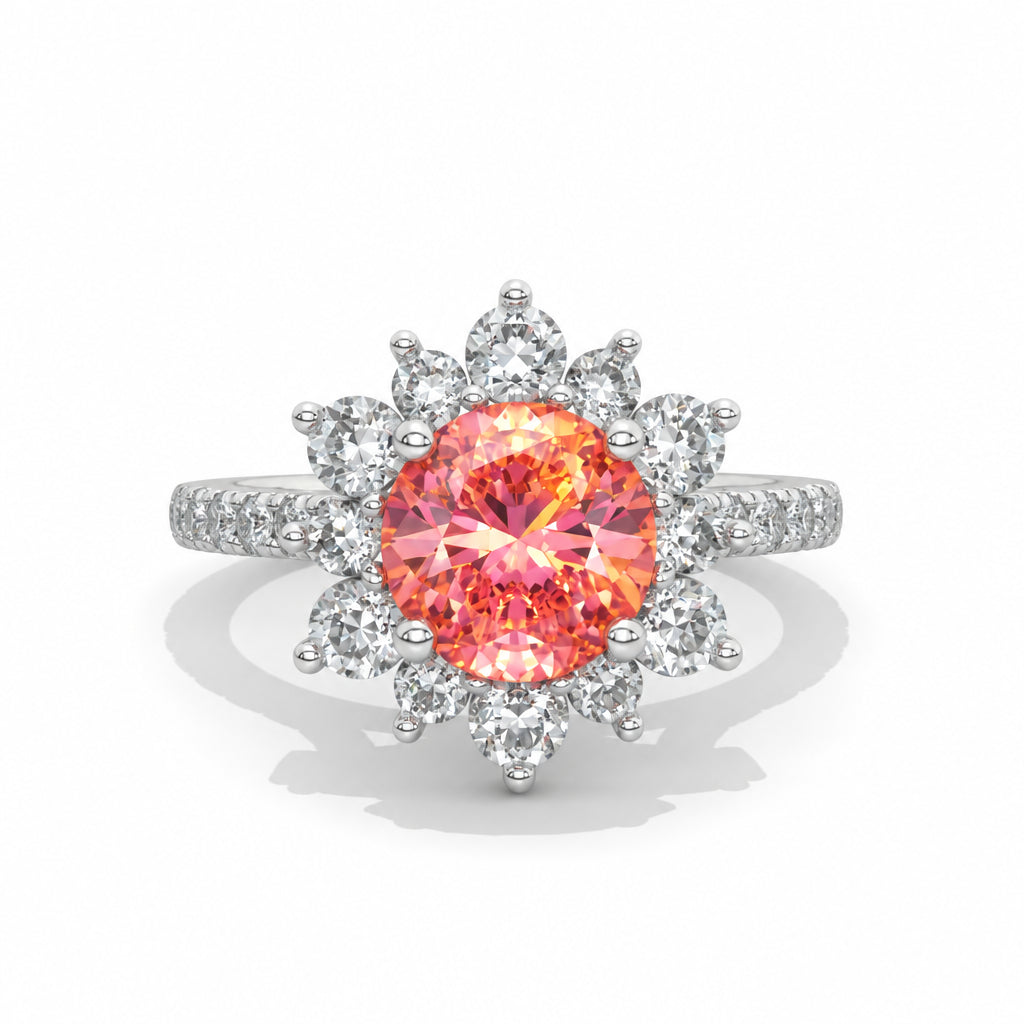

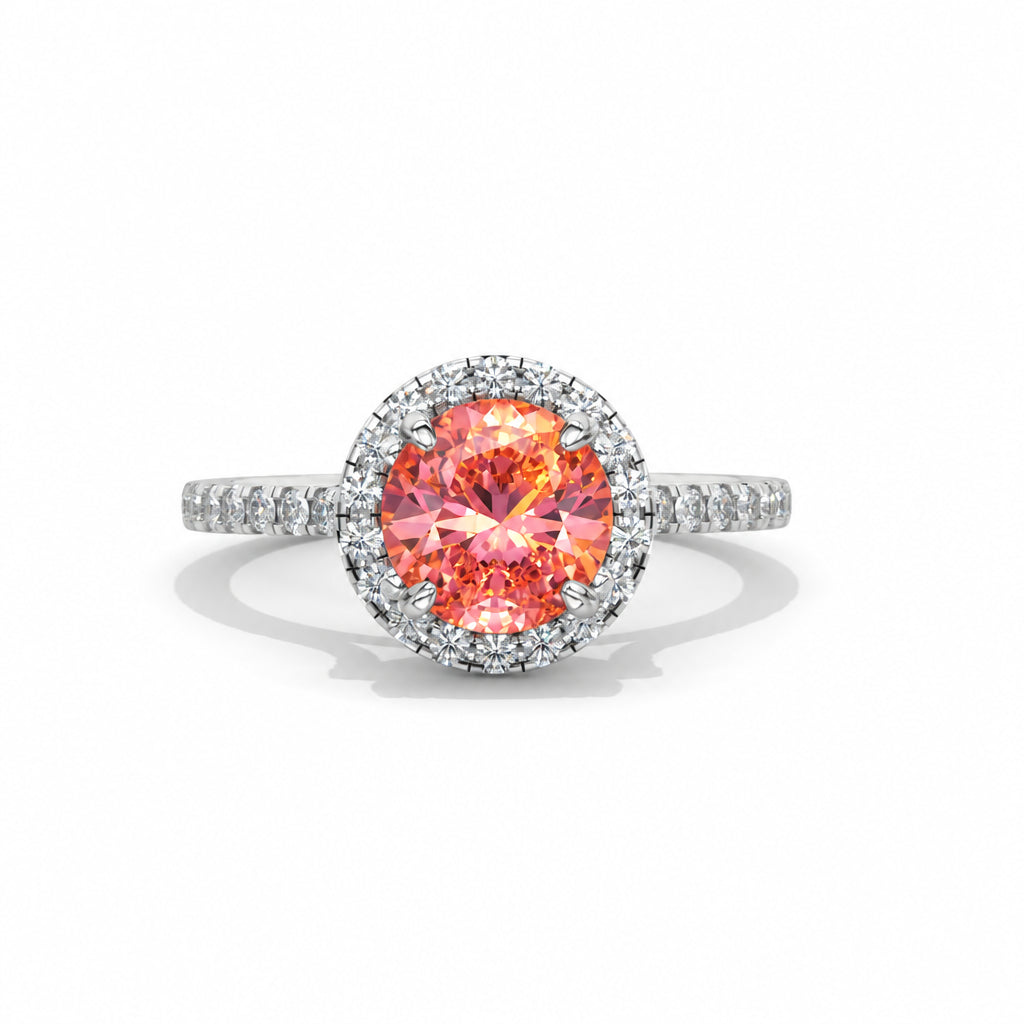

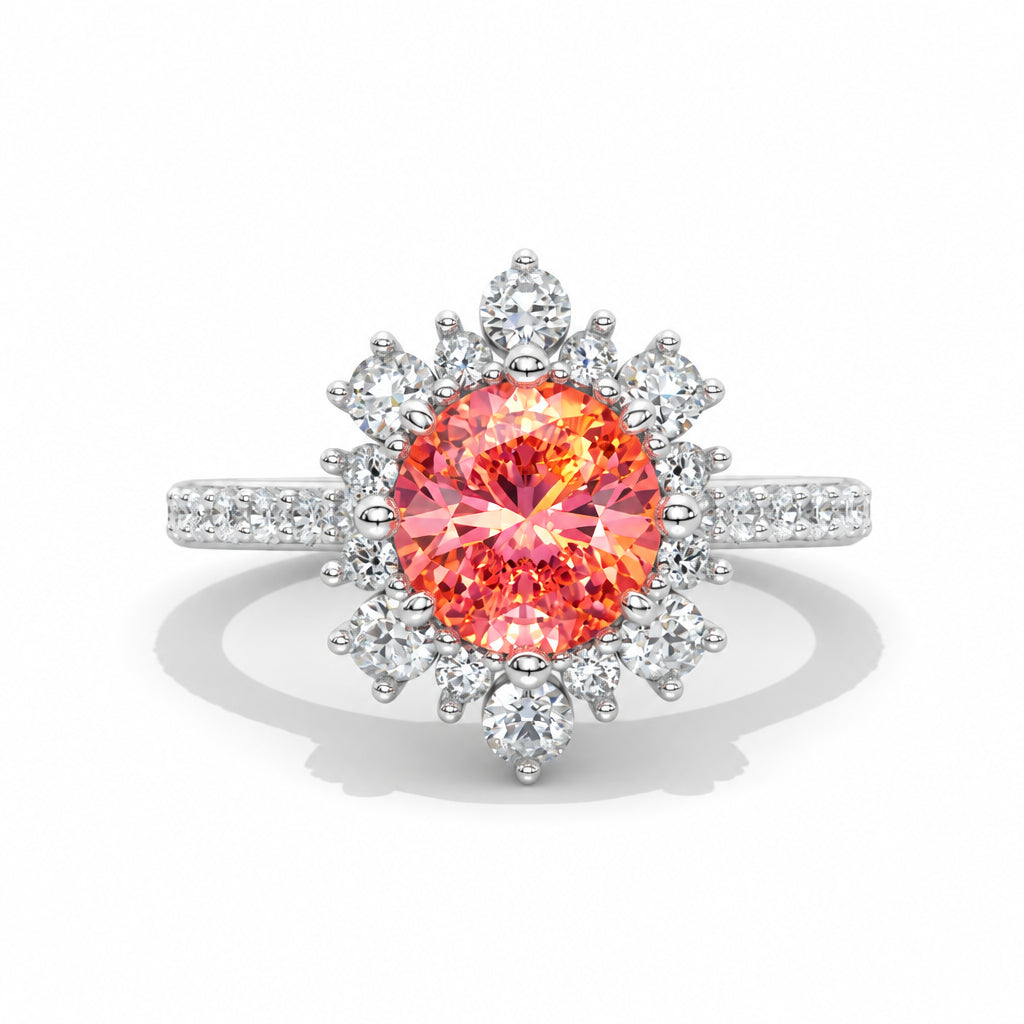

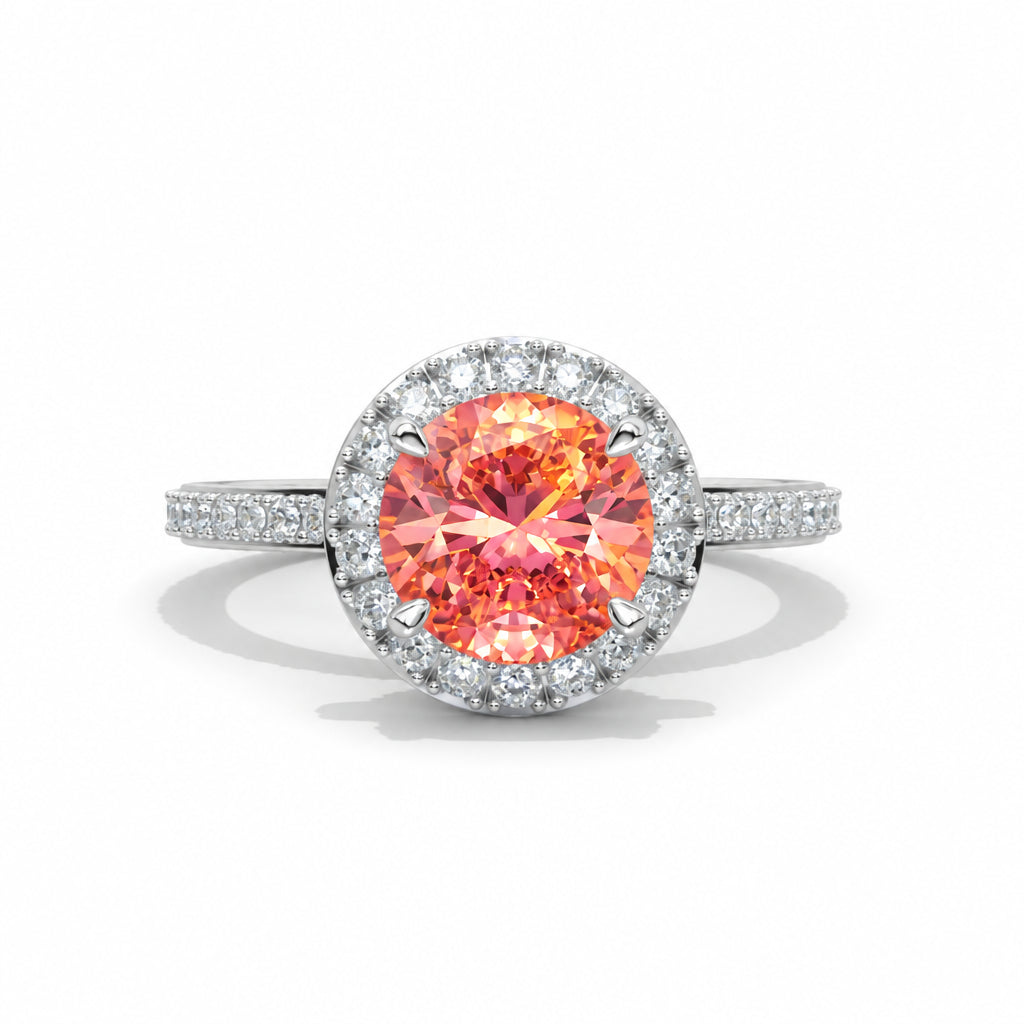

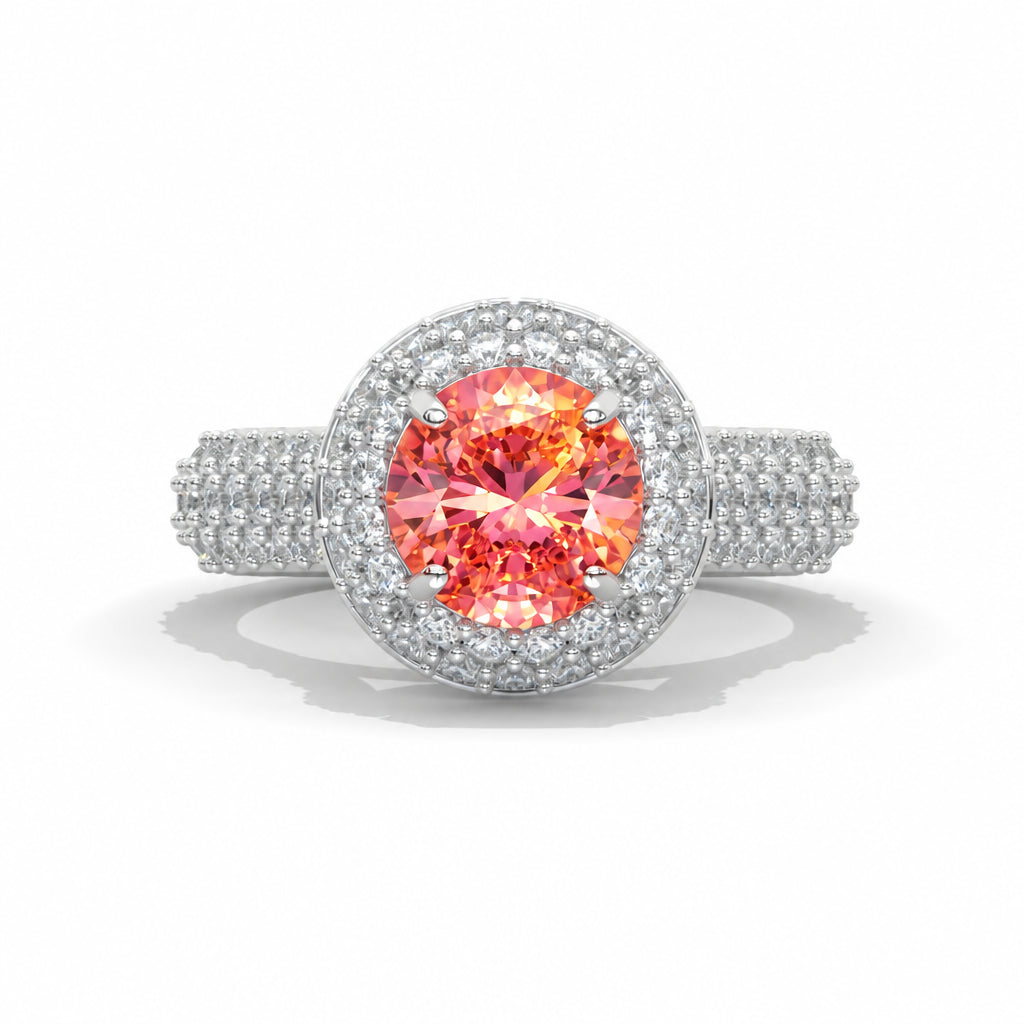

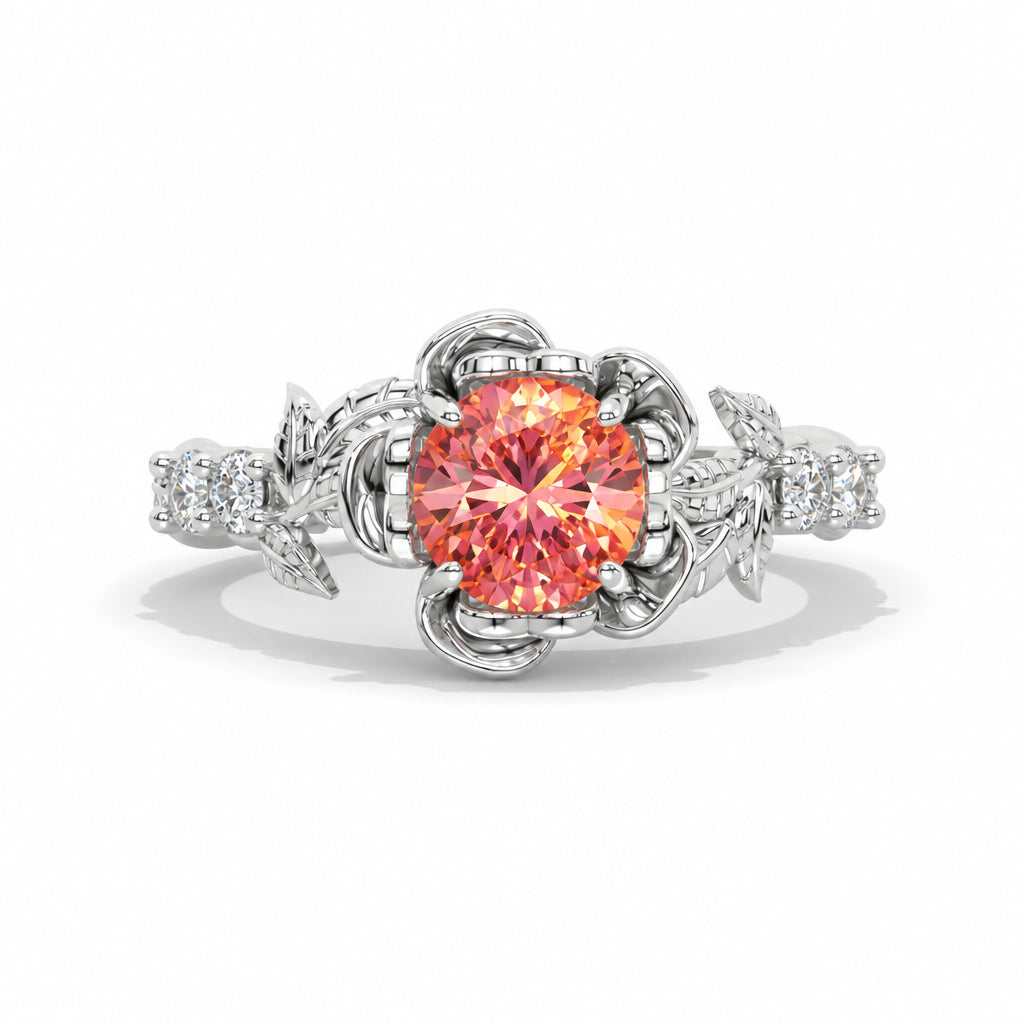


Our padparadscha sapphire rings are set with a lab-grown padparadscha sapphire, the rare pinkish-orange "sunset" sapphire, at the center. Each design comes from our Custom Moissanite Rings line, so you get the same handmade settings, D-colorless moissanite accents and 3D customization, with a lab padparadscha at the center. Choose padparadscha engagement rings, vintage and floral styles, halo rings and solitaires in oval, emerald, pear, cushion, marquise, princess, radiant, kite, hexagon and heart cuts, in sterling silver, 10K, 14K or 18K white, yellow or rose gold, platinum or palladium.
What Is a Padparadscha Sapphire?
Padparadscha is the name for sapphire with a delicate blend of pink and orange, often compared to a lotus flower or a tropical sunset; the word comes from the Sinhalese for lotus blossom. Natural padparadscha is one of the rarest and most expensive colored gemstones. Our stones are lab-grown padparadscha sapphires: real corundum (aluminium oxide) with the same chemistry, hardness and brilliance as a mined sapphire, grown in a laboratory instead of mined.
Why Choose a Lab Padparadscha Engagement Ring?
A lab-grown padparadscha gives you the famous pink-orange color in a clean, bright stone at a small fraction of the price of a natural one, with no mining. At 9 on the Mohs scale, sapphire is the hardest gemstone after diamond and moissanite, so it is an excellent choice for an engagement ring worn every day. The warm color looks beautiful in rose and yellow gold and stands out against white gold and platinum.
Padparadscha Sapphire Ring FAQ
Is a lab padparadscha sapphire a real sapphire?
Yes. A lab-grown (lab-created) padparadscha is real sapphire: corundum with the same chemical, physical and optical properties as a mined sapphire. It is not glass, cubic zirconia or a simulant. The only difference is its origin: it is grown in a laboratory.
What color is a padparadscha sapphire?
Padparadscha is a pinkish-orange to orangey-pink sapphire, a mix of pink and orange like a sunset or a lotus flower. Our lab padparadscha stones have a warm salmon pink-orange color.
Is padparadscha sapphire good for an engagement ring?
Yes. Sapphire is 9 on the Mohs scale and very tough, so it resists scratches and chips in daily wear much better than most colored gemstones.
Lab vs natural padparadscha: what is the difference?
Natural padparadscha is very rare, often heat-treated, and can cost thousands of dollars per carat. A lab-grown padparadscha has the same hardness and sparkle, is eye-clean, and costs far less. All padparadscha stones in this collection are lab-grown.
How much does a padparadscha sapphire ring cost?
Most of our lab padparadscha rings start at about $850 in sterling silver and about $2,100 in 14K gold, depending on the design and metal.
What are the accent stones?
The small accent stones are D-colorless moissanite, the same as on our moissanite rings, unless the ring description says otherwise.
Which metals and sizes can I choose?
Sterling silver, 10K, 14K or 18K white, yellow or rose gold, platinum and palladium, in US sizes 3 to 15 (sizes 11 and up cost 10% more). Every ring is made to order and can be customized or engraved in 3D.